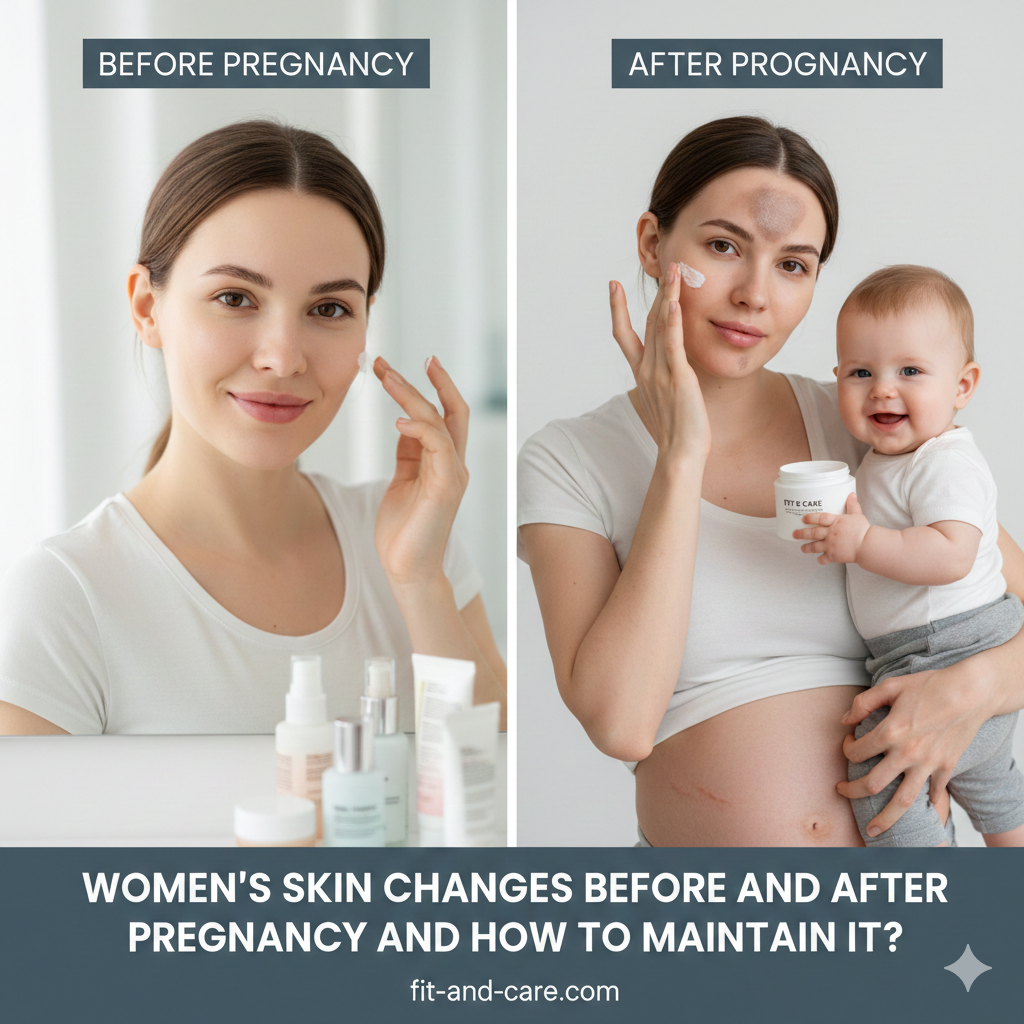
Women’s Skin Changes Before and After Pregnancy

A pregnancy is a wonderful and life-changing time for women; it also causes significant physical changes, particularly to the skin. Skin changes before and after pregnancy are widespread, varying from the well-known “pregnancy glow” to unexpected acne, pigmentation, or stretch scars. Hormonal changes, increased blood flow, and physical skin stretching are the main causes of these changes.
Maintaining healthy skin and avoiding long-term issues requires an understanding of pregnancy skin changes both before and after treatment. This book describes what occurs to a woman’s skin during various phases of pregnancy and provides safe, simple, and dermatologist-approved methods of skin care.
Why do skin changes before and after pregnancy
Melanocyte-stimulating hormone (MSH), progesterone, and estrogen are among the hormones that develop major changes during pregnancy. These hormones affect blood flow, skin elasticity, color, and oil production. The body expands quickly and increases blood volume at the same time, both of which have an immediate impact on the texture and look of the skin.
While many skin changes are safe and short-term, some may need to be properly cared for in order to heal or fade after pregnancy.
Skin Changes Before and During Pregnancy
1. Pregnancy Glow: Myth or Reality?
The pregnant glow is an expected phenomenon for many women. Increased blood flow and oil gland activity are the causes of this, which can lead to fuller, glowing skin. But not all women feel this glow; some may have breakouts, dryness, or dullness instead.
2. Hyperpigmentation and Melasma
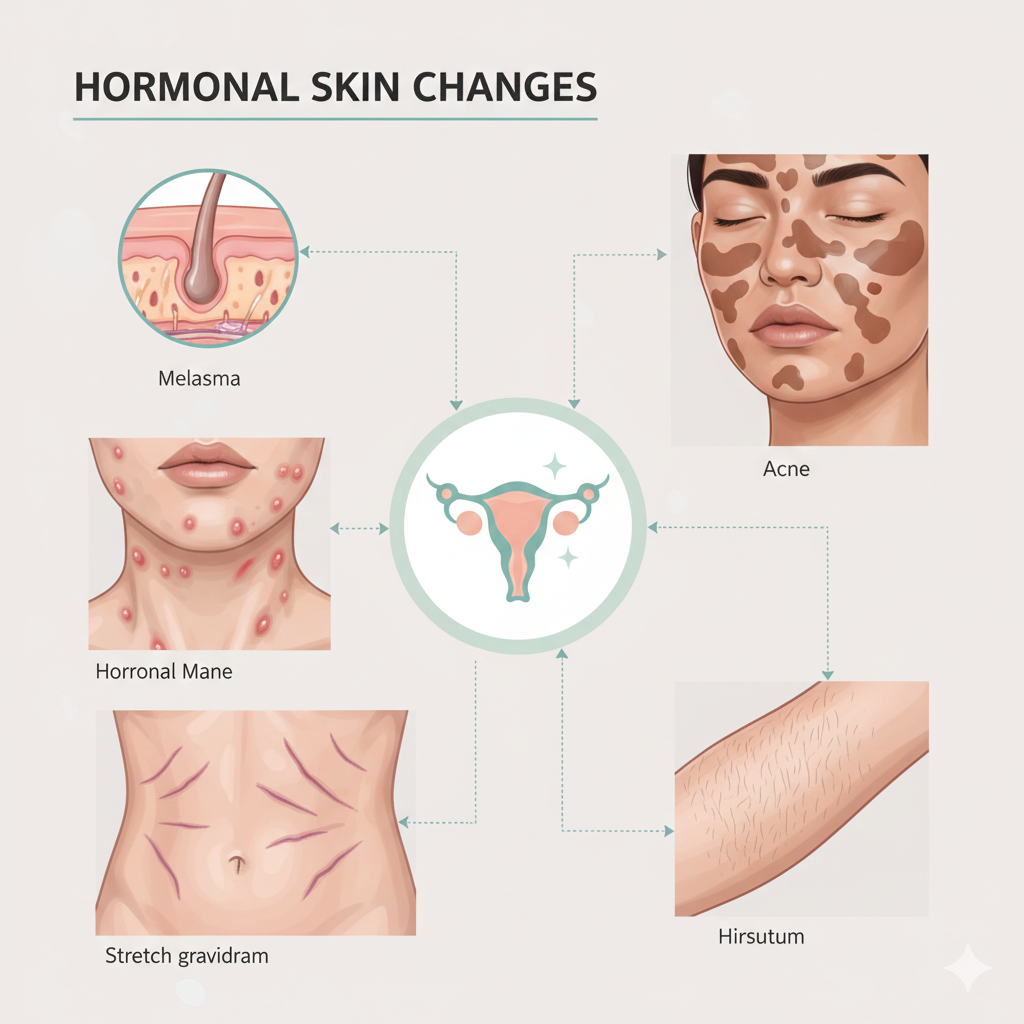
Hyperpigmentation, which is brought on by an increase in the production of melanin, is one of the most obvious skin changes during pregnancy.
Typical forms consist of the following:
- Melasma (Mask of Pregnancy): Dark areas on the cheeks, forehead, nose, or upper lip.
- Linea Nigra: An oblique dark vertical line
- Darkening of the neck, inner thighs, underarms, and nipples
Sunscreen is crucial during pregnancy since sun exposure greatly exacerbates pigmentation.
3. Acne and Breakouts
Even in women who never had acne before, hormonal surges may cause the production of oil (sebum), which can clog pores and result in acne.
Impacted areas:
- Face
- Chest
- Back
Important note: Gentle skincare becomes important because many acne treatments are unsafe during pregnancy.
4. Stretch Marks (Striae Gravidarum)
During pregnancy, stretch marks are quite common and usually present on
- Belly
- A breast
- Legs.
- Hips
- Back lower
They happen when the skin expands more quickly than elastin and collagen can adjust. They can’t always be avoided because genetics also play a significant part, but enough moisturizing can lessen their severity.
5. Spider Veins and Varicose Veins
Increased blood volume and pressure on the veins can cause the following:
- Spider veins (small red or purple lines)
- Varicose veins, especially on the legs
These may improve after delivery, but don’t always disappear completely.
6. Itching and Skin Sensitivity
Itching happens more often as the skin stretches, especially around the breasts and belly. In addition, changes in hormones might increase skin sensitivity to:
- Scents
- Soaps
- Harsh skincare items
It is advised to use gentle, fragrance-free products.
Skin Changes After Pregnancy (Postpartum Skin Changes)
After childbirth, hormone levels drop rapidly. This transition can trigger new skin concerns or prolong existing ones.
1- Persistent Pigmentation
Dark spots and melasma may gradually fade over several months, but some women experience chronic pigmentation for years, particularly if they don’t wear sunscreen.
Lack of skincare and exposure to the sun can cause fading.
2- Postpartum Acne
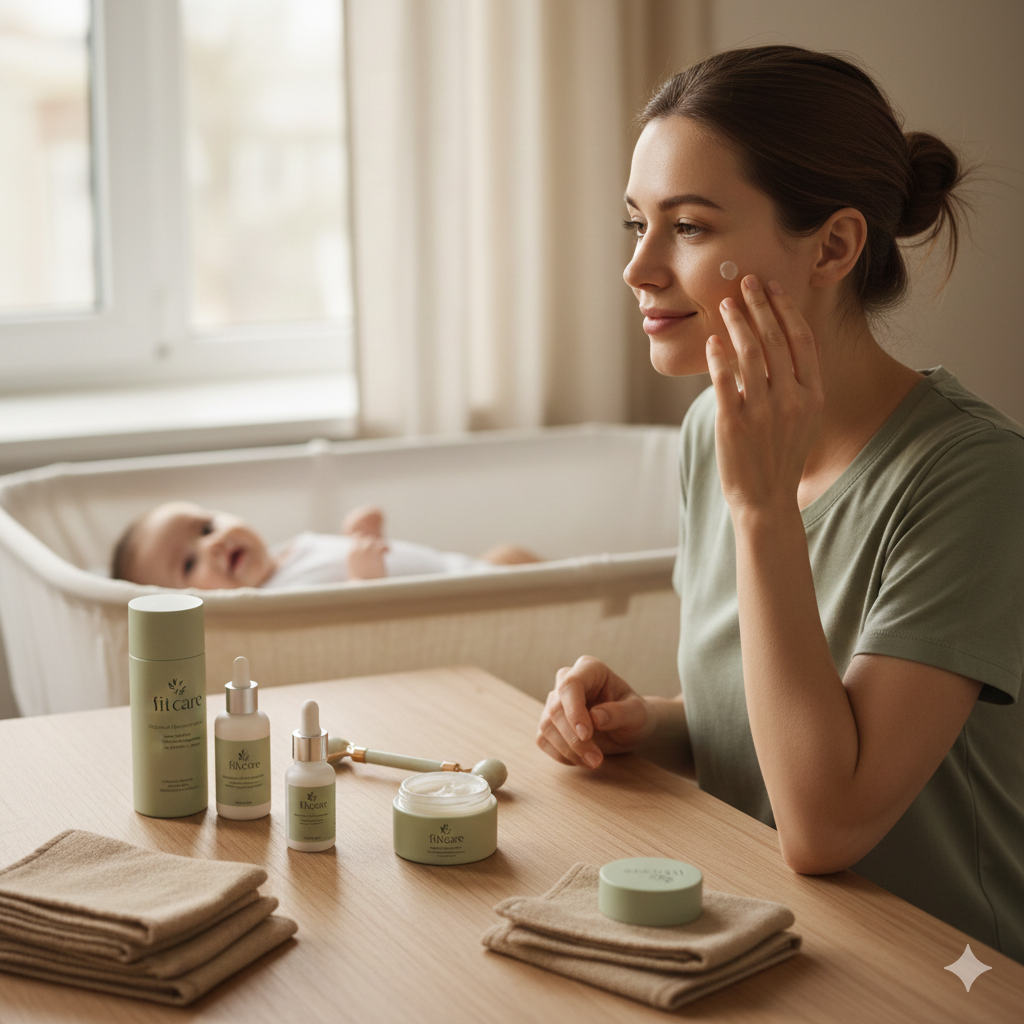
Hormonal imbalance after delivery—especially while breastfeeding—can cause postpartum acne. Stress, lack of sleep, and dehydration also worsen breakouts.
3- Dryness and Loss of Elasticity
Lower estrogen levels can reduce skin hydration, making it feel
- Dry
- Tight
- Less elastic
This is particularly common in breastfeeding mothers.
4- Stretch Marks After Delivery
Stretch marks often change color from red or purple to lighter shades like white or silver over time. While they rarely disappear completely, their appearance can be minimized with consistent care.
5- Increased Sensitivity
Postpartum skin may become more reactive. Products that once worked well may suddenly cause irritation, redness, or burning.
Pregnancy Skin Care: What Is Safe and What to Avoid?
Safe Skincare Practices During Pregnancy
Do’s
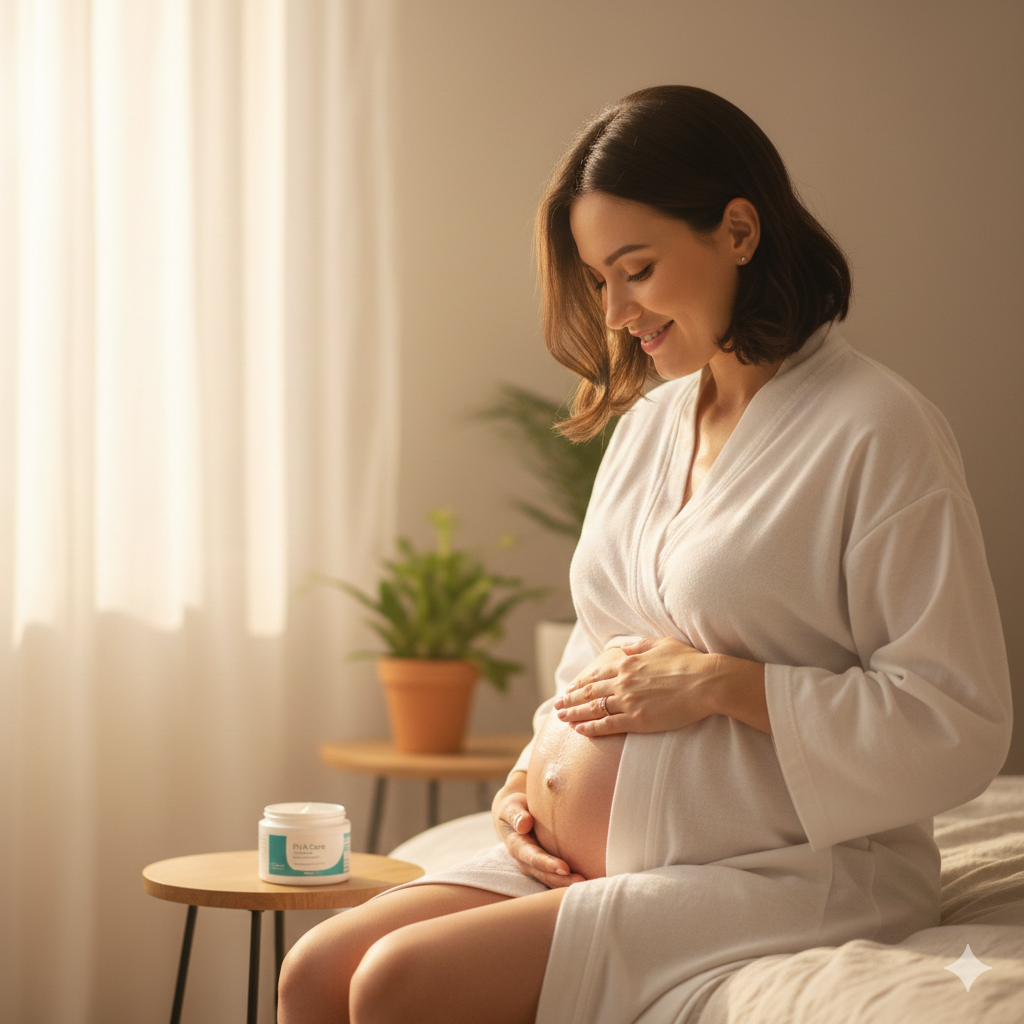
- Use a gentle, sulfate-free cleanser
- Moisturize twice daily to reduce dryness and itching
- Apply broad-spectrum sunscreen (SPF 30+) every day
- Choose fragrance-free and hypoallergenic products
- Stay hydrated and eat nutrient-rich foods
Ingredients to Avoid During Pregnancy
Certain ingredients can be harmful during pregnancy:
- Retinoids (Retinol, Tretinoin, Isotretinoin)
- High-dose salicylic acid
- Hydroquinone
- Chemical peels with strong acids
Always read labels and consult a healthcare professional if unsure.
Postpartum Skin Care Routine (Step-by-Step)
1. Cleansing
Use a mild cleanser twice daily to gently remove oil and impurities without stripping the skin’s natural moisture.
2. Moisturizing
Choose moisturizers with:
- Hyaluronic acid
- Ceramides
- Glycerin
These help restore the skin barrier.
3. Sun Protection
Daily sunscreen is essential to prevent worsening of pigmentation and aging.
4. Gentle Exfoliation
Texture and tone of the skin can be improved by exfoliating only once or twice a week, especially post-pregnancy, with mild acids like lactic acid.
5. Gradual Introduction of Actives
Vitamin C or niacinamide can be used to enhance brightness and even out skin tone during pregnancy and lactation (after getting a doctor’s approval).
Natural Ways to Support Healthy Skin After Pregnancy
- Drink plenty of water to maintain skin hydration
- Eat foods rich in antioxidants (fruits, vegetables, nuts)
- Include omega-3 fatty acids for skin elasticity
- Get adequate sleep whenever possible
- Manage stress through light exercise or relaxation techniques
Healthy skin starts from within, especially during postpartum recovery.
When to See a Dermatologist
A dermatologist should be consulted if
- Pigmentation or melasma deteriorates
- Acne gets uncomfortable or severe.
- Stretch marks can be uncomfortable or itchy.
- You have hives, rashes, or strange skin changes.
Long-term skin problems can be avoided with early professional assistance.
Emotional Impact of Pregnancy-Related Skin Changes
Skin changes can affect self-confidence and emotional well-being, especially after childbirth. It’s important to remember the following:
- These changes are normal
- Most are temporary
- Recovery takes time
Be patient with your body—it has undergone a remarkable transformation.
This article references publicly available statements by Dr. Fazeela Abbasi, who has no affiliation with Fit & Care and has not reviewed this content.
📌 Affiliate Disclosure
This post may contain affiliate links, which means I may earn a small commission if you click on a link and make a purchase — at no extra cost to you. I only recommend products and resources that I personally trust and believe will genuinely benefit you. These commissions help keep Fit & Care running so I can continue sharing free, helpful content. Thank you so much for your support—it truly means the world! For more details, please read our full Affiliate Disclosure page.
Hamza Ahmad is a dedicated fitness and health researcher and the founder of Fit and Care. He specializes in translating evidence-based health science into practical, accessible guidance on nutrition, fitness, and wellness.