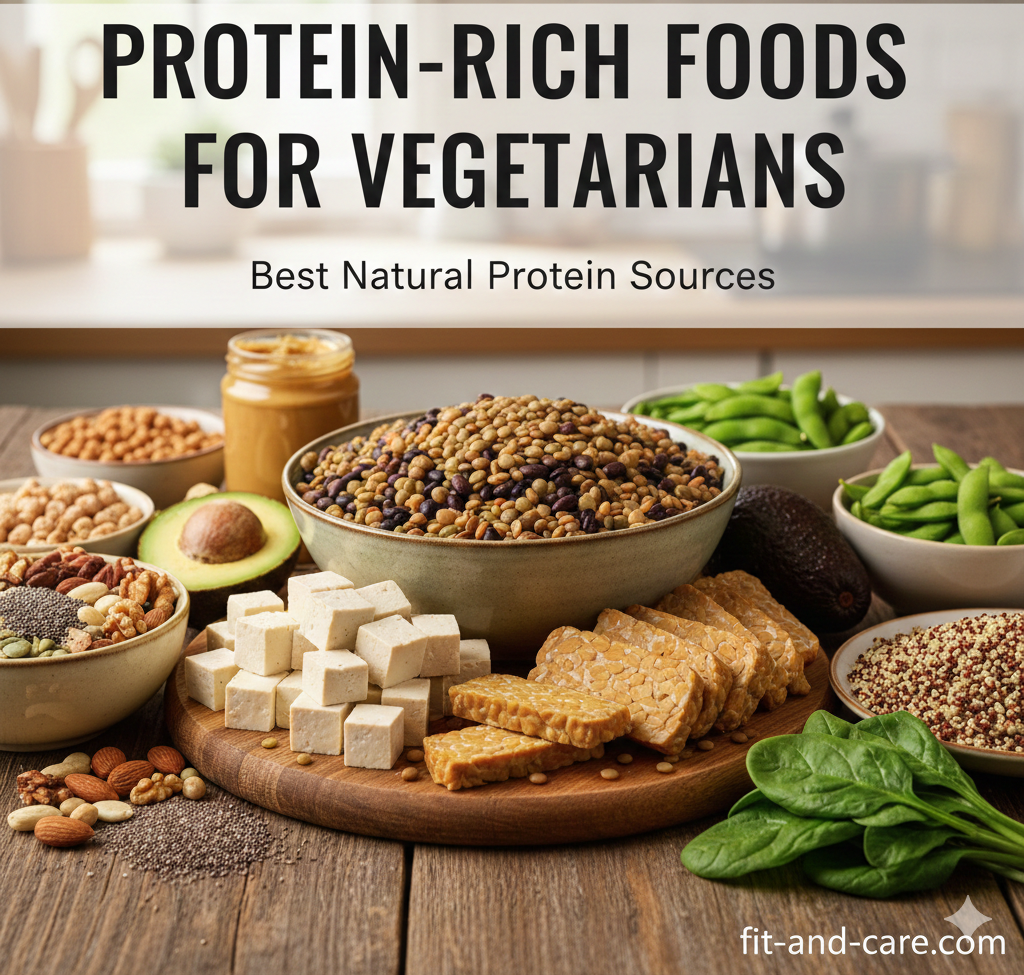
Top 10 Protein-Rich Foods for Vegetarians

Protein-rich foods for vegetarians are often misunderstood. Protein is one of the most essential nutrients your body needs, yet many vegetarians worry they aren’t getting enough of it. With so many conflicting opinions from nutrition experts, the myth persists that a vegetarian diet can’t provide adequate protein—despite plenty of evidence showing otherwise.
In reality, vegetarians can boost weight loss, energy levels, muscle growth, and overall health without using meat or supplements by consuming plenty of protein-rich foods.
The best vegetarian protein sources, your actual protein need, the protein level per 100 grams, and helpful tips on how to naturally fulfill your daily needs are all covered in this full book.
Why Protein Is Important in a Vegetarian Diet
Protein is needed for almost all processes in the body. Amino acids, the building blocks of muscles, tissues, hormones, enzymes, and even your immune system, make up this material.
Here’s why protein matters so much:
- Builds and repairs muscles
- Supports healthy skin, hair, and nails
- Helps regulate metabolism and hormones
- Keeps you full for longer (important for weight loss)
- Supports recovery after exercise
According to Harvard Health’s nutrition research, protein is essential for muscle repair, hormone production, and immune function.
Since many plant-based foods have less protein per serving than animal products, amino acids are even more crucial for vegetarians. Nevertheless, by carefully choosing and varying their foods, vegetarians can successfully meet their protein needs.
How Much Protein Do Vegetarians Need Daily?
Protein needs vary depending on age, gender, activity level, and fitness goals.
General Protein Guidelines
- Sedentary adults: 0.8 g per kg of body weight
- Active individuals: 1.0–1.2 g per kg
- Muscle gain: 1.4–1.8 g per kg
- Weight loss: 1.2–1.5 g per kg
Example:
If you weigh 65 kg and are moderately active, you need around 78 grams of protein per day.
To properly balance your protein intake, first calculate your daily calorie needs using our TDEE calculator.
Best Protein-Rich Foods for Vegetarians
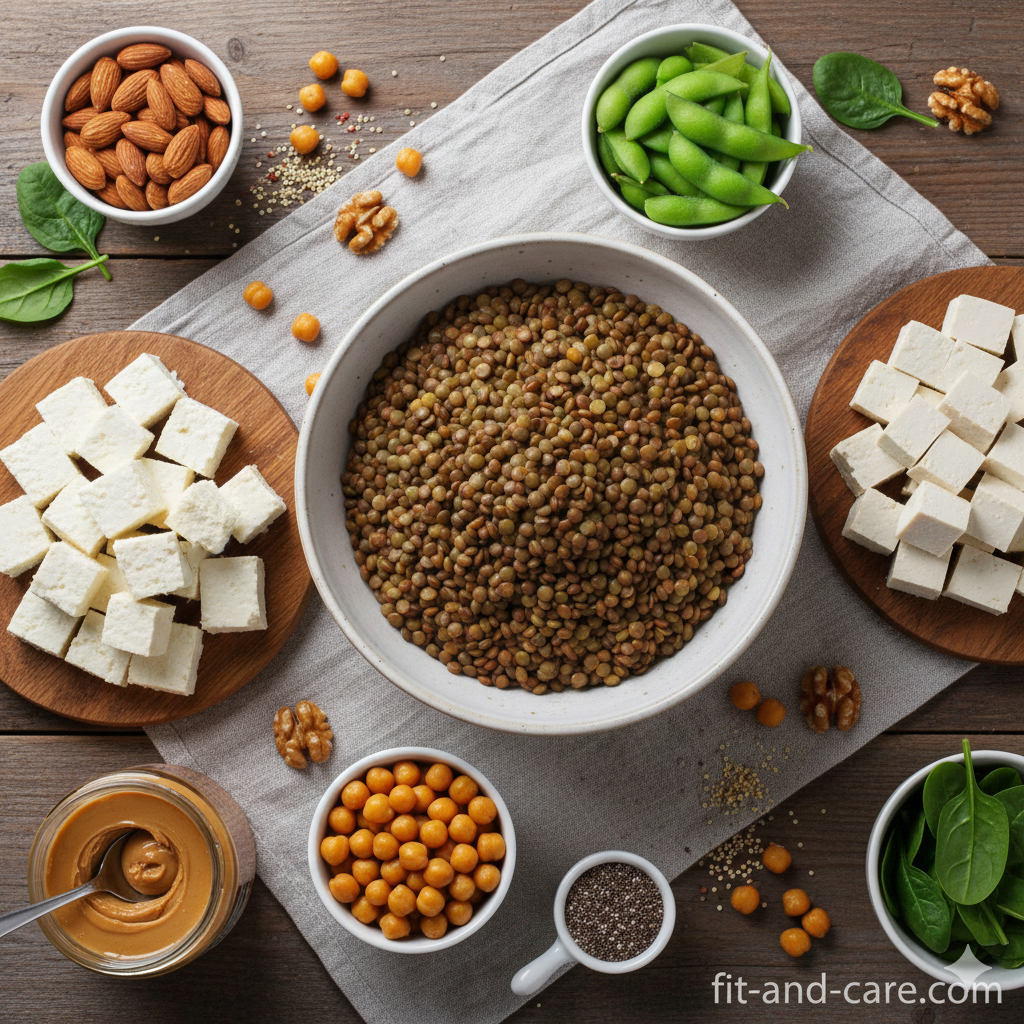
Below are some of the best natural protein sources for vegetarians, easily available and affordable. These are also very important for becoming fit and caring for themselves.
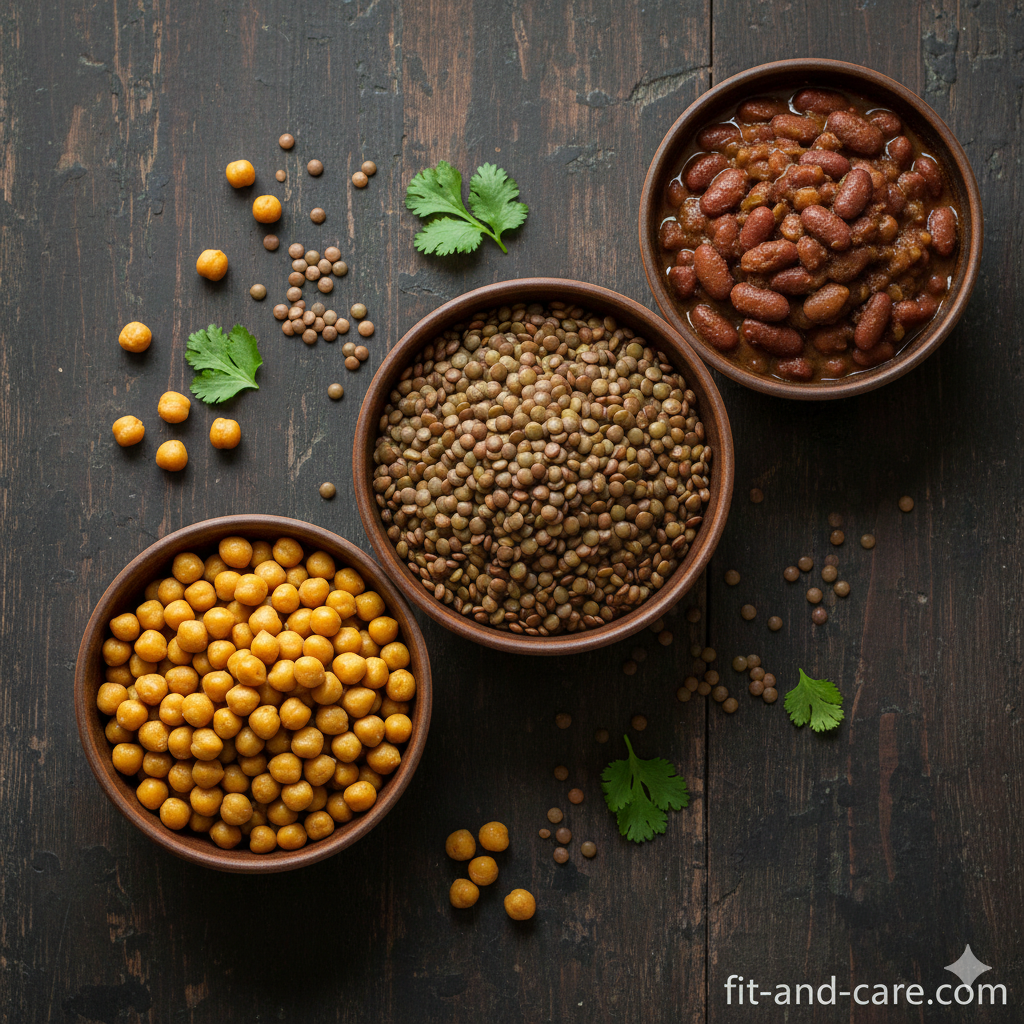
1. Lentils (Dal)
Lentils are among the most popular and powerful vegetarian protein sources.
- Protein: ~9 g per 100 g (cooked)
- Benefits: High in fiber, iron, and folate
- Best way to eat: Dal, soups, salads, curries
Lentils also help stabilize blood sugar and improve digestion, making them perfect for daily meals.
2. Chickpeas (Chana)
Chickpeas are a versatile and filling plant-based protein source.
- Protein: ~8.9 g per 100 g
- Benefits: Supports heart health and digestion
- Best way to eat: Boiled chana, hummus, salads
They are especially useful for vegetarians aiming to lose weight because they keep you fuller for longer.
3. Kidney Beans (Rajma)
Kidney beans are rich in protein and complex carbohydrates.
- Protein: ~8.7 g per 100 g
- Benefits: Improves gut health and energy levels
- Best ways to eat it: Rajma curry, bean salads
Pair rajma with rice or quinoa to improve amino acid balance.
4. Soybeans & Soy Products
Soy is one of the highest-protein plant foods available.
- Protein: ~36 g per 100 g (raw soybeans)
- Benefits: Complete protein with all essential amino acids
- Best sources: Tofu, tempeh, soy milk
Soy protein is especially beneficial for muscle building and hormone balance.
5. Paneer (Cottage Cheese)
Paneer is a favorite among vegetarian fitness enthusiasts.
- Protein: ~18 g per 100 g
- Benefits: Rich in calcium and casein protein
- Best way to eat: Grilled, scrambled, curried
Paneer digests slowly, making it a great option for dinner or post-workout meals.
6. Greek Yogurt / Curd
Greek yogurt contains more protein than regular curd.
- Protein: ~10 g per 100 g
- Benefits: Improves gut health and immunity
- Best way to eat: Breakfast bowls, smoothies
It’s an easy protein boost for vegetarians who consume dairy.
7. Quinoa
Quinoa is a pseudocereal and a complete plant protein.
- Protein: ~4.4 g per 100 g (cooked)
- Benefits: Gluten-free, rich in magnesium
- Best way to eat: Rice substitute, salads
Though slightly lower in protein, quinoa offers excellent nutritional balance.
8. Nuts and Seeds
Seeds and nuts may be small, but they are protein-packed.
- Pumpkin seeds: ~19 g protein per 100 g
- Chia seeds: ~17 g per 100 g
- Almonds: ~21 g per 100 g
They are ideal for snacks, smoothies, and breakfast bowls.
9. Oats
Oats are often overlooked as a protein source.
- Protein: ~11 g per 100 g
- Benefits: Supports heart health and digestion
- Best way to eat: Oatmeal, overnight oats
Adding nuts or yogurt makes oats even more protein-rich.
10. Peanuts & Natural Peanut Butter
Peanuts are legumes, not nuts, and contain high protein.
- Protein: ~25 g per 100 g
- Benefits: Energy-dense and affordable
- Best way to eat: Roasted peanuts, natural peanut butter
Avoid sugar-loaded peanut butter for the best results.
Protein-Rich Vegetarian Foods Per 100 Grams
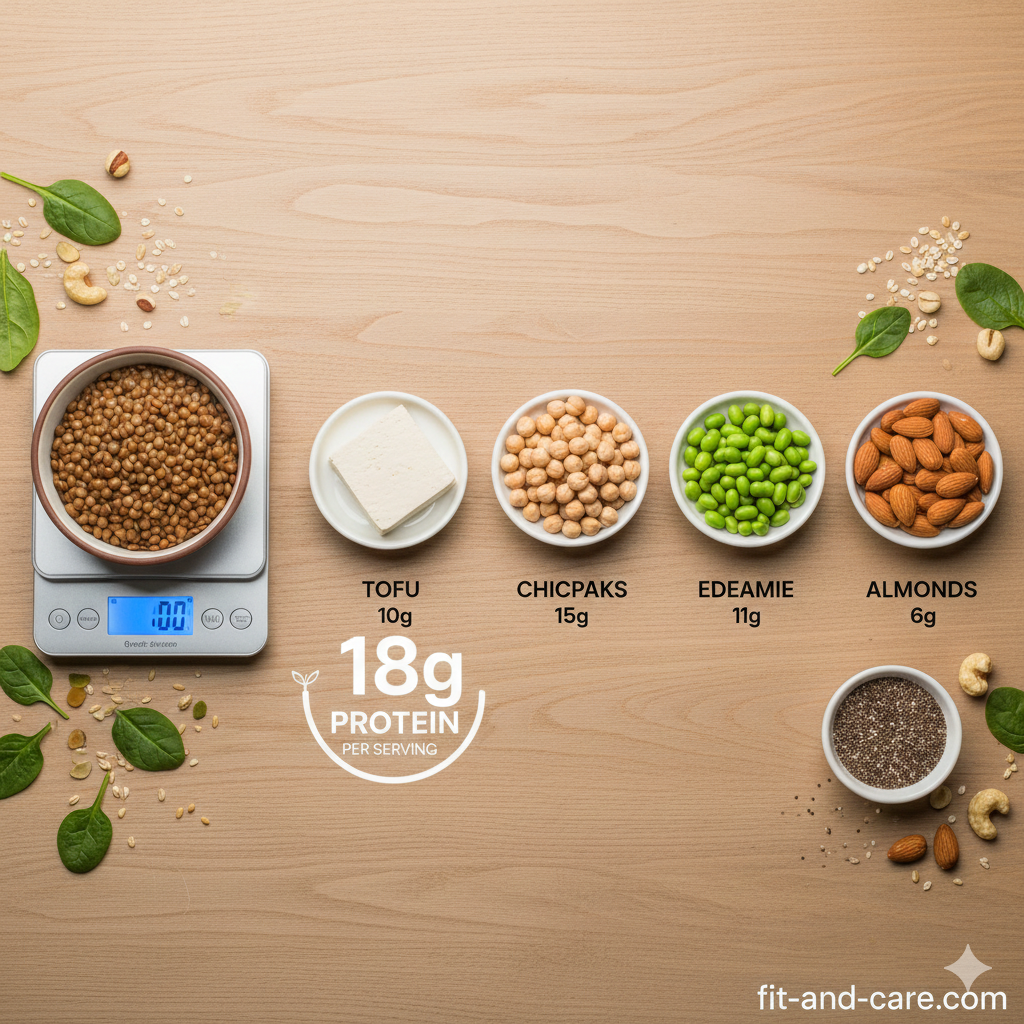
| Food | Protein (g) | Calories |
|---|---|---|
| Soybeans | 36 | 446 |
| Paneer | 18 | 265 |
| Lentils | 9 | 116 |
| Chickpeas | 8.9 | 164 |
| Kidney Beans | 8.7 | 127 |
| Greek Yogurt | 10 | 59 |
| Oats | 11 | 389 |
| Peanuts | 25 | 567 |
High-Protein Vegetarian Diet Plan (Sample Day)
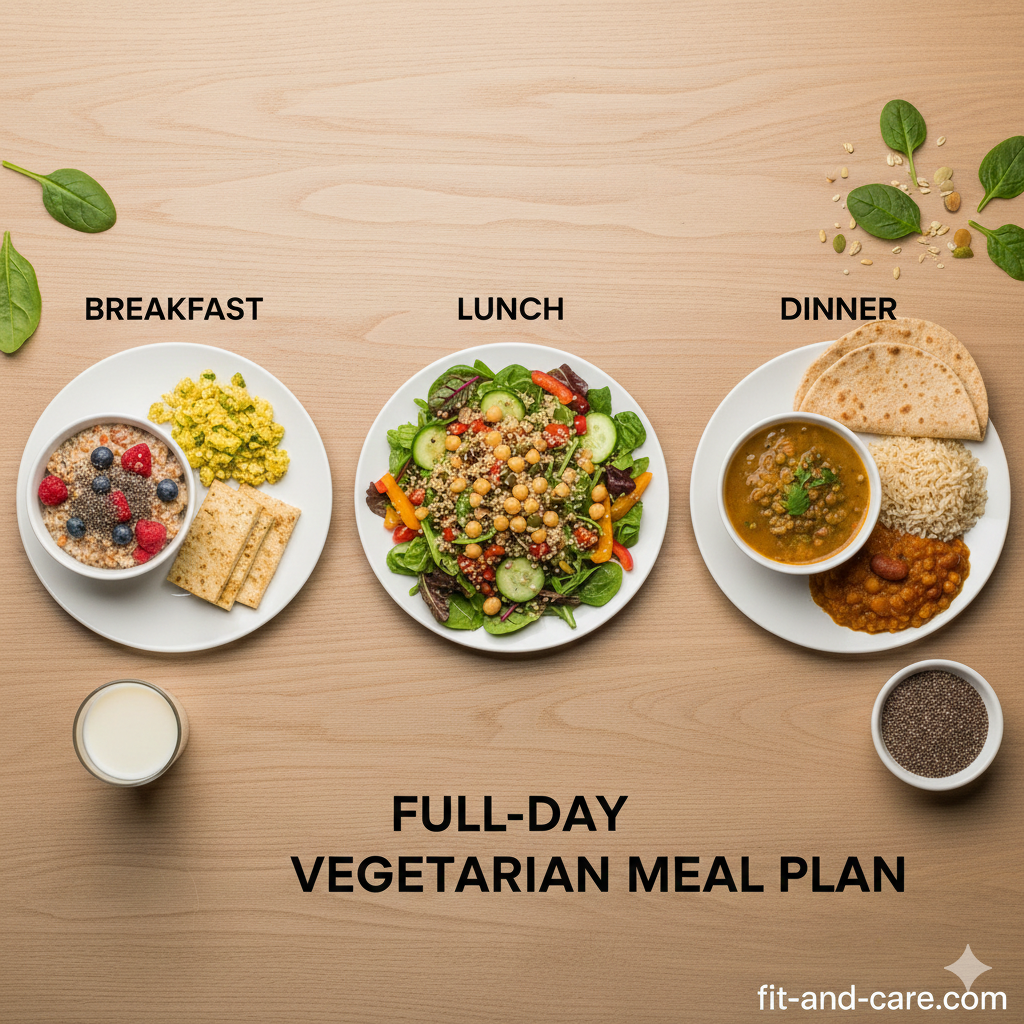
Breakfast meal
- Greek yogurt and chia seeds with oats
Lunch
- Brown rice and lentil curry, or rajma
A snack
- Roasted peanuts or chickpeas
Dinner
- Tofu or paneer fried with vegetables
Not essential
- Before bed, eat some fruit and curd.
This simple structure may easily provide 70–100 g of protein daily.
Protein-Rich Vegetarian Foods for Weight Loss
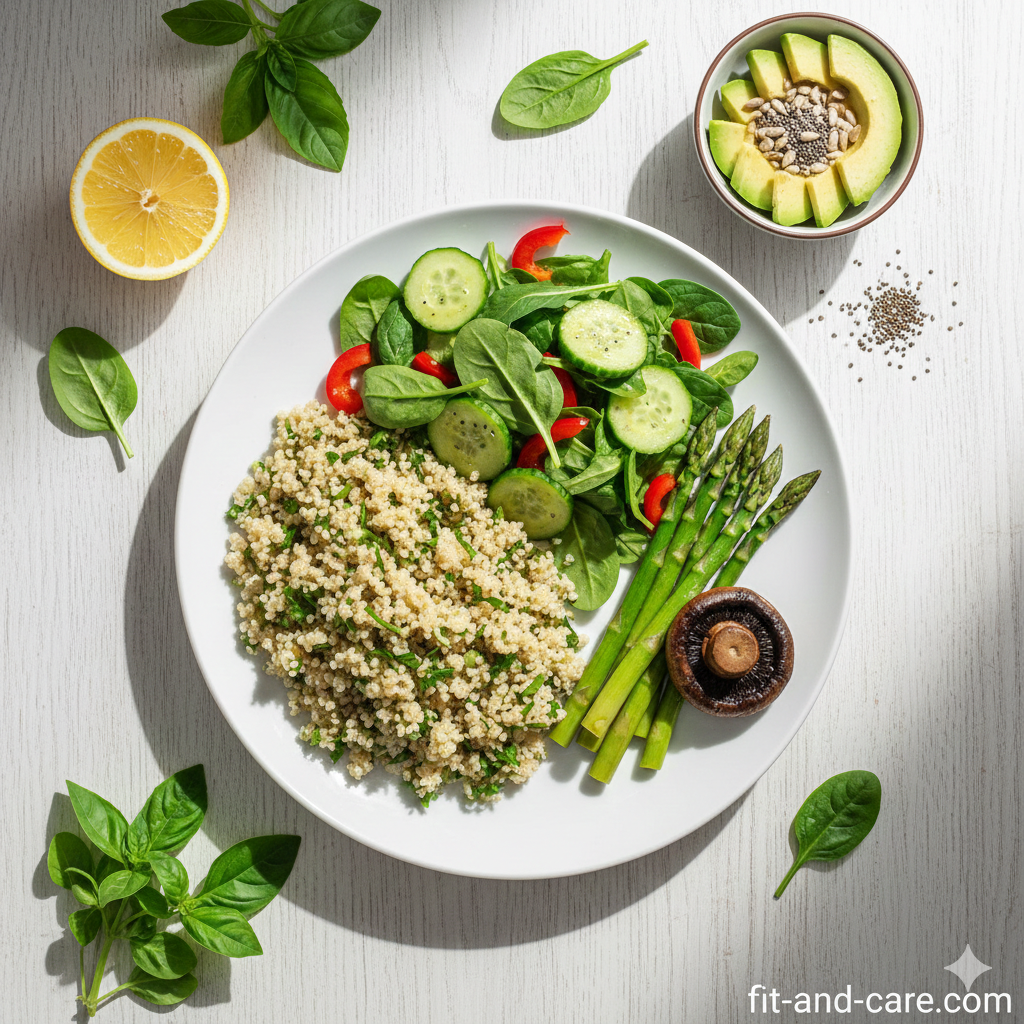
If your goal is to lose fat, focus on foods that are
- High in protein
- Low fat content
- High in fiber
Top options:
- The lentil
- The chickpea
- Greek yogurt
- Tofu
- Oats
Protein reduces hunger and supports fat loss while preserving strength.
Can Vegetarians Build Muscle Without Protein Supplements?
Absolutely.
Many vegetarians think that having only whole meals helps them gain muscle. The key elements are:
Eating enough amounts of total protein
Combining several sources of protein
Meeting calorie needs
Supplements are not essential; they are optional. For most people, a well-planned vegetarian diet is more than enough.
Common Mistakes Vegetarians Make With Protein Intake
- Relying only on carbs like rice and bread
- Eating too little overall food
- Ignoring protein variety
- Skipping meals
Small adjustments—like adding lentils, paneer, or seeds—can make a huge difference.
Final Thoughts
When implemented properly, a vegetarian diet can be a really nutritious, balanced, and even high-protein diet. Keeping up with your daily protein requirements is easy and stress-free if you include a variety of protein-rich foods like lentils, soy, paneer, nuts, and seeds.
Plant-based protein sources will simply, naturally, and effectively be your allies when maintaining your general health, weight loss, or muscle gain.
Concentrate on whole foods, harmony, and trustworthiness, and your body will surely be grateful.
Reviewed by Rizwan Aftab Ahmad, Registered Dietitian. This content is for educational purposes only and is not medical advice.
Hamza Ahmad is a dedicated fitness and health researcher and the founder of Fit and Care. He specializes in translating evidence-based health science into practical, accessible guidance on nutrition, fitness, and wellness.


2 Comments