AI Fitness Apps vs. Traditional Workouts
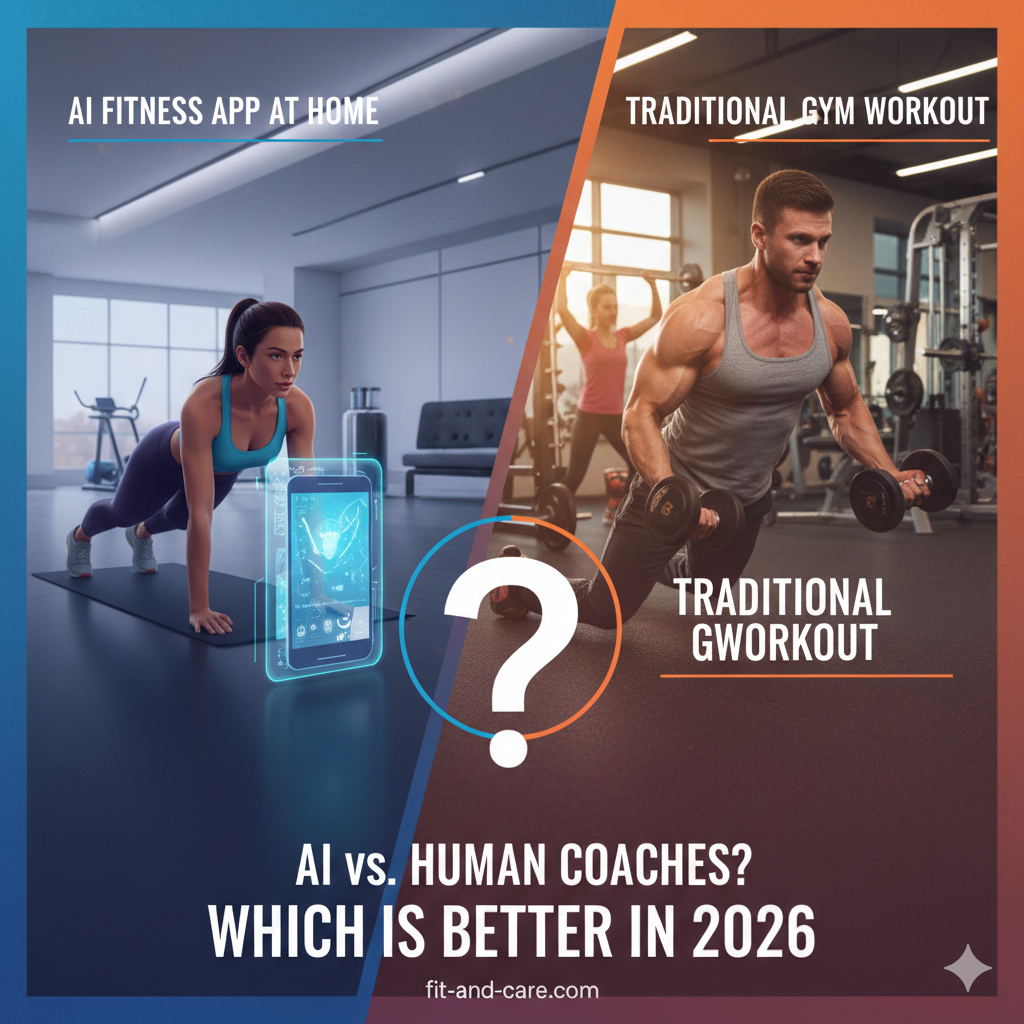
In recent years, the fitness industry has seen significant change. You’re not alone if you’re confused about what’s different in AI fitness apps vs. traditional workouts. As artificial intelligence developed, workout apps with artificial intelligence (AI) features now promise real-time tracking, customized workout habits, and intelligent recommendations, all available from your smartphone. Does that, yet, mean that traditional gym workouts are not as essential?
Many people ask whether AI is capable of playing the role of a gym routine or personal trainer.
To help you select the option that best fits your goals, financial state, and way of life, we’ll go over the pros and cons, costs, efficiency, and results of each in this guide.
What Are AI Fitness Apps?
AI fitness apps are web-based or mobile applications that create specific workout routines using data analysis and artificial intelligence.
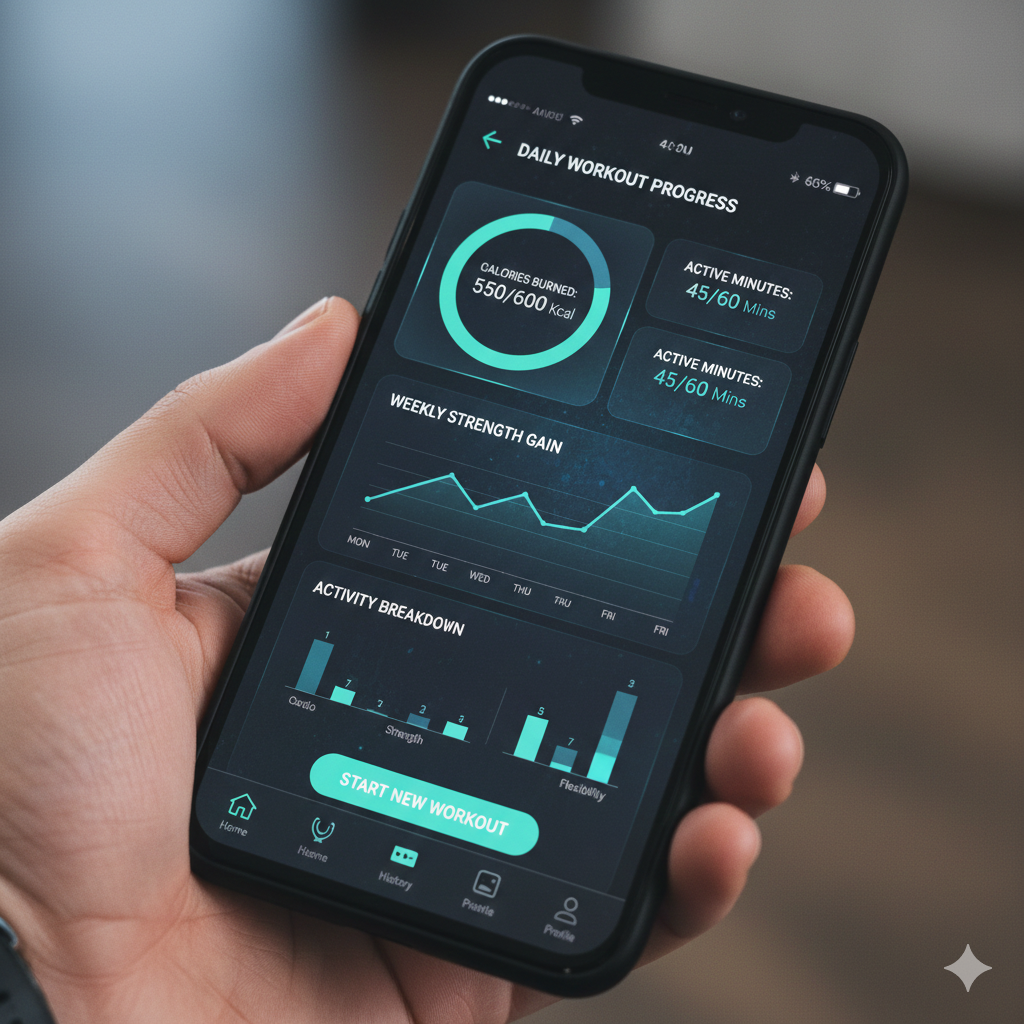
As opposed to standard exercises, these apps adapt based on:
- Your level of fitness
- Weight and goals
- Workout outcomes
- Patterns of recovery
- Data from nutrition tracking
If you skip sessions or have problems with a certain exercise, some AI apps can even modify your workouts.
Key Features of AI Workout Apps
- Personalized workout schedules
- AI-powered progress tracking
- Smart calorie and TDEE tracking
- Home-friendly exercise routines
- Feedback in real time (in some premium versions)
- Connection with wearable devices, such as smartwatches
- People with busy days or those who prefer home exercise are particularly fond of these apps.
What Are Traditional Workouts?
Group classes, personal training, gym training, and non-AI personal workout plans are examples of traditional workouts.

This approach relies on:
- Coaching by humans
- Structured gym routines
- Physical equipment
- Motivation in person
Traditional workouts are chosen by many because they offer accountability and hands-on correction.
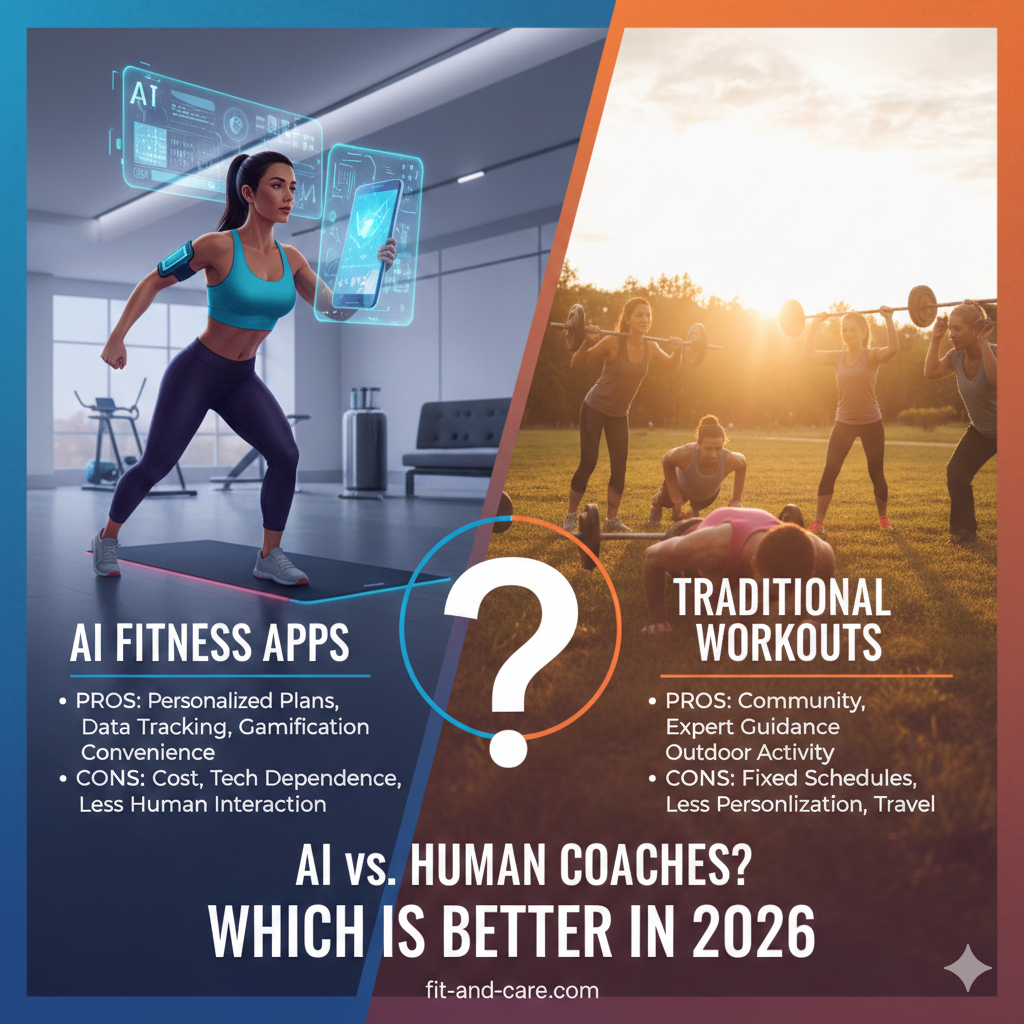
AI Fitness Apps vs Traditional Workouts: Side-by-Side Comparison
Here’s a quick comparison to help you understand the key differences:
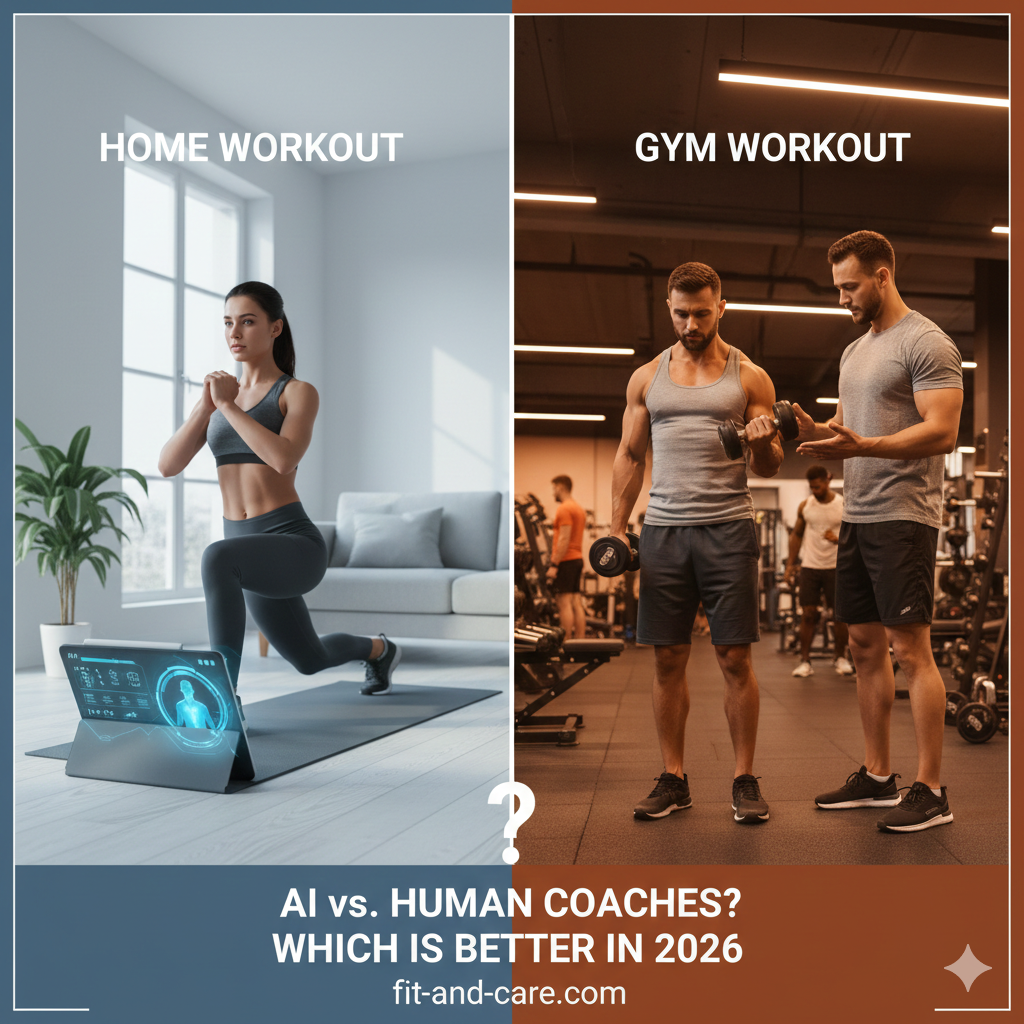
| Feature | AI Fitness Apps | Traditional Workouts |
|---|---|---|
| Cost | Low monthly subscription | Gym fees + trainer costs |
| Personalization | Algorithm-based | Human-based |
| Convenience | Anytime, anywhere | Fixed schedule |
| Equipment | Minimal required | Often gym equipment |
| Supervision | Limited | Direct guidance |
| Flexibility | High | Moderate |
| Social Interaction | Low | High |
This comparison shows that both options have strengths depending on your priorities.
Pros and Cons of AI Fitness Apps
Advantages of AI Fitness Apps
1. Affordable
Most AI fitness apps are cheaper than personal trainers.
2. Flexible Scheduling
You can do the workout anytime, anywhere. Early morning or late night.
3. Personalized Plans
AI adjusts your workouts based on progress and data.
4. Ideal for Home Workouts
No need for expensive equipment.
5. Progress Tracking
Built-in dashboards help you track calories, steps, and strength improvements.
Disadvantages of AI Fitness Apps
1. No Physical Form Correction
Apps can’t always fix your posture or lifting technique.
2. Requires Self-Discipline
No trainer is physically present to push you.
3. Limited Injury Support
If you have health issues, AI may not fully replace medical advice.
Pros and Cons of Traditional Workouts
Advantages of Traditional Workouts
1. Professional Supervision
Professional trainers can correct you and guide you at the moment.
2. Better for Muscle Building
Access to heavy weights and equipment improves progressive overload.
3. Stronger Motivation
Social activities and environments can boost accountability.
4. Customized for Injuries or Special Conditions
A professional trainer can help you with injuries.
Disadvantages of Traditional Workouts
1. Expensive
Personal training and gym memberships are very expensive.
2. Time-Consuming
Traveling to the gym takes time.
3. Less Flexible
Traditional workouts are less flexible because you have to follow the tight schedule and gym hours.
Which Is Better for Weight Loss?
The answer depends on consistency when comparing AI fitness apps against traditional weight-loss workouts.
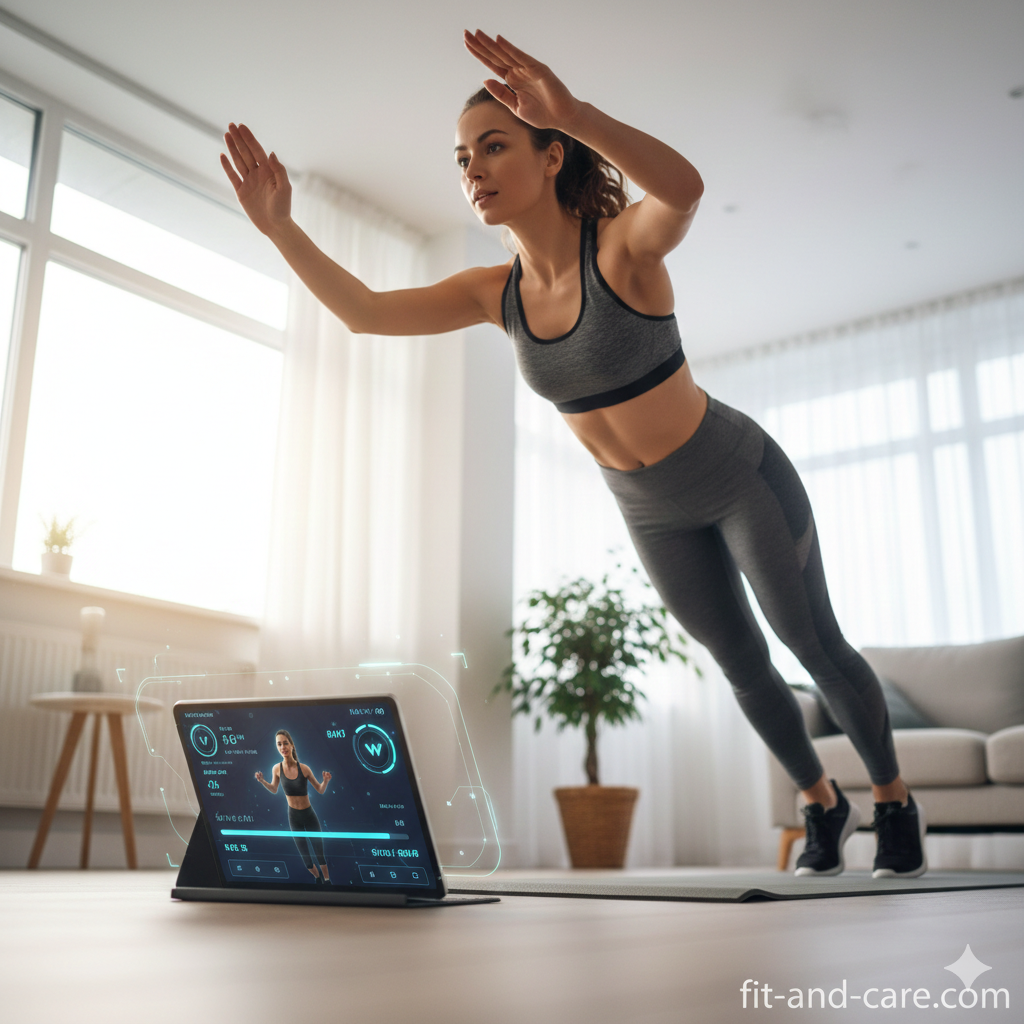
Weight loss is mostly dependent on:
- Deficit of calorie
- Consistent motion
- Strength training
- Tracking nutrition
AI fitness apps are excellent for beginners trying to lose fat at home because they often come with built-in calorie tracking and daily step goals.
On the other hand, traditional workouts may hold you accountable if you have trouble staying inspired.
If you’re unsure about your calorie needs, use a TDEE calculator to determine your daily calorie target before starting either option.
Which Is Better for Muscle Gain?
Traditional gym workouts are still effective for substantial muscle gain because:

- Have access to large weights
- Advanced machines
- Supervision of trainers for progressive overload
But now, some advanced AI apps create workouts based on hypertrophy with resistance bands and adjustable dumbbells, as well as eating protein-rich vegetarian food.
AI apps can be useful if you want to acquire a moderate amount of muscle at home. However, traditional training is better for bodybuilding competition.
Cost Comparison: AI Fitness Apps vs Gym Membership
Let’s look at estimated monthly costs:
- AI Fitness App: $10–$40 per month
- Gym Membership: $30–$100 per month
- Personal Trainer: $200–$600 per month
Clearly, AI fitness apps are more budget-friendly, especially for beginners.
Who Should Choose AI Fitness Apps?
Here are some of the best uses for AI fitness apps:
- Busy professionals
- Fitness beginners
- People are watching their budgets
- Home workout enthusiasts,
- Travelers.
If cost and flexibility are the main things you are looking for, then AI apps are the way to go.
Who Should Choose Traditional Workouts?
Traditional workouts are best for:
- Advanced lifters
- People with injuries
- Those who need strict supervision
- Socially motivated individuals
- Competitive athletes
If hands-on coaching matters more than convenience, the gym is the better option.
Can You Combine Both?
Yes, they can be combined, and that would be the smartest option.
Many people now use a hybrid fitness model:
- AI app for planning and tracking
- Gym sessions for heavy lifting
- Home workouts on busy days
This approach offers flexibility and structure.
Do AI Fitness Apps Really Work?
Yes, but only if you use them consistently.
Due to research, when users regularly track their progress, digital fitness platforms improve adherence. However, consistency and effort are still necessary for results. According to the World Health Organization, adults should engage in regular physical activity to maintain a healthy weight and reduce the risk of chronic diseases, whether they follow AI fitness apps or traditional workout routines.
Though helpful, AI tools can’t take the place of workers.
AI Fitness Apps vs Traditional Workouts
Who wins next?
In real life, there isn’t a single winner.
Choose fitness apps with AI if:
- You need flexibility.
- You have a budget.
- You like working out at home.
Select traditional workouts if:
- You need supervision.
- You want to build as much muscle as you can.
- You do best in social settings.
In the end, the workout you do the most is the best one.