
Asthma Symptoms in Children and Adults
Asthma symptoms in children and adults can vary in intensity, frequency, and triggers. Some individuals may experience sudden, severe asthma attacks, while others have only mild breathing difficulties. Detecting early warning signs is essential for preventing complications and managing the condition effectively.
Chronic asthma is an asthma that blocks and damages the airways. This results in symptoms such as shortness of breath, chest tightness, coughing, and wheezing. While asthma can strike at any age, children’s symptoms can vary from those of adults.
We’ll go over early asthma symptoms, how they vary by age group, how an asthma attack feels, usual reasons, and when to seek medical help in this in-depth manual.

What Is Asthma?
The airways, which are the tubes that carry air into and out of your lungs, are affected by asthma, an ongoing lung condition. An asthma patient’s airways expand, become inflamed, and fill with mucus when they are exposed to triggers. Breathing gets difficult as the muscles around the airways tighten.
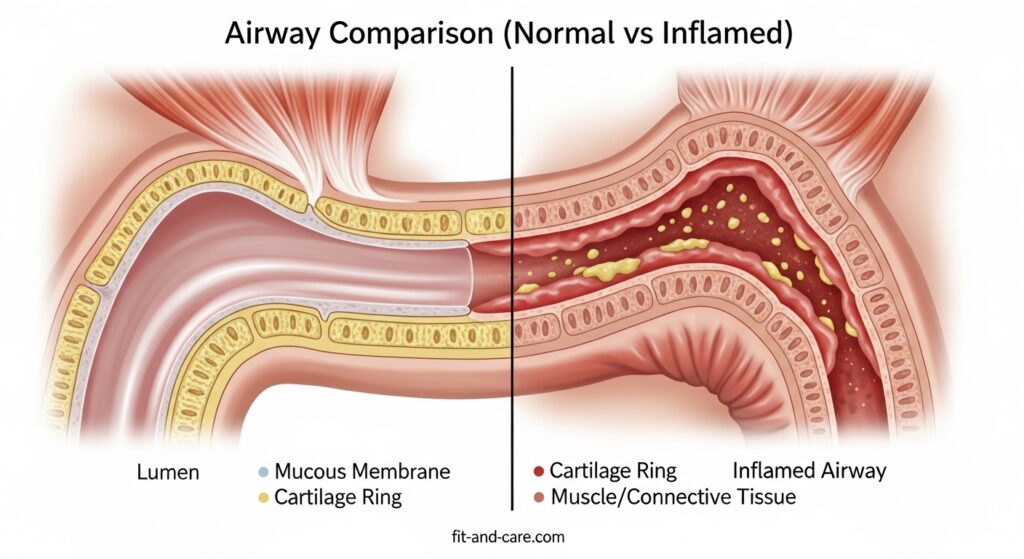
Asthma is one of the most common persistent diseases in children and affects millions of people worldwide, according to the World Health Organization.
Asthma may be:
- Mild and sporadic
- Persistent and moderate
- Extreme and potentially fatal
Serious attacks can be avoided by identifying symptoms early.
Common Asthma Symptoms in Children
Children’s asthma may be hard to diagnose because younger children are less able to convey symptoms. The symptoms could be mistaken for allergies or frequent colds.

Early Asthma Symptoms in Children
Parents need to be on watch for:
- Coughing a lot, especially at night
- Wheezing (breathing with a whistling sound)
- Breathing rapidly
- Tightness in the chest
- fatigue while play
- Lack of breathing
In mild cases, coughing may be the only symptom, and children often cough more than adults.
Asthma Symptoms in Toddlers and Babies
Symptoms in toddlers can include:
- Displeased
- Trouble feeding
- nostrils that flair
- Fast breath
- Persistent congestion in the chest
Asthma may be a problem if your child has recurring bronchitis or coughing that continues after viral infections.
Asthma Symptoms in Adults
Asthma symptoms in adults are often more noticeable and easier to describe.

Mild Asthma Symptoms in Adults
- Lack of breath while exercising
- Wheezing
- Pressure in the chest
- Coughing at night
- A failure to inhale deeply
People often avoid mild symptoms until they worsen.
Severe Asthma Symptoms
Seek urgent medical care if you notice:
- Severe breathing issues
- Breathing rapidly
- Inability to power talk in full phrases
- Blue fingernails or lips
- Extreme tightness of the chest
These signs might indicate a serious asthma attack.
Difference Between Asthma Symptoms in Children and Adults
Here’s a quick comparison:
| Children | Adults |
|---|---|
| Frequent cough | More breathlessness |
| Symptoms triggered by infections | Triggered by allergens & pollution |
| Difficulty describing symptoms | Can describe chest tightness |
| More nighttime coughing | More exercise-induced symptoms |
Children’s asthma is often linked to viral infections, while adult asthma may be triggered by environmental allergens, smoking, or occupational exposure.
What Does an Asthma Attack Feel Like?
When airway inflammation abruptly gets worse, an asthma attack happens.
People describe it as
- Feeling a tight band-like feeling around the chest
- Finding trouble taking air into your lungs
- Persistent wheezing
- Dread to run out of oxygen
Attacks of asthma may occur suddenly or develop slowly. Emergencies can be prevented by recognizing symptoms like increased coughing or mild discomfort.
Nighttime Asthma Symptoms
Many people indicate that their symptoms are worse at night. We refer to this as nocturnal asthma.
Common signs at night include:
- Coughing all while
- Lying here and wheezing
- Lack of breath
- Sleep problems
Symptoms at night show that asthma may not be under control.
Common Asthma Triggers in Children and Adults
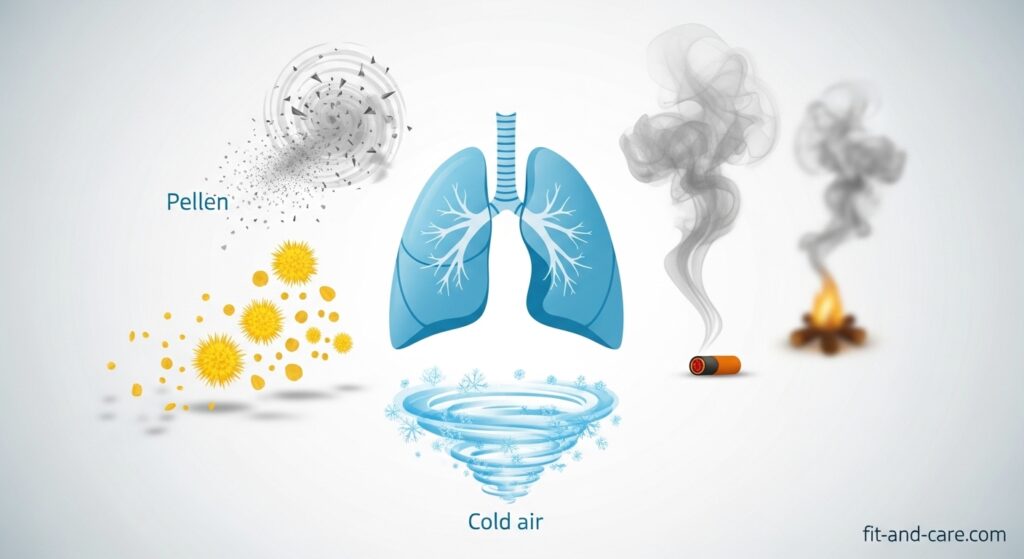
Asthma symptoms are often triggered by environmental or lifestyle factors.
1. Allergen
- Pollen
- Dust mites
- Mold
- Pet dander
2. Respiratory Infections
Colds and flu frequently trigger asthma symptoms in children.
3. Air Pollution and Smoke
Cigarette smoke and polluted air worsen inflammation.
4. Exercise
Exercise-induced asthma causes coughing and breathlessness during physical activity.
5. Cold Air
Breathing cold, dry air can tighten airways.
Identifying personal triggers is key to long-term management.
When to See a Doctor
You need to see a doctor if:
- More than twice a week, symptoms occur.
- Sleep is interfered with by night symptoms.
- You use your rescue inhaler a lot.
- Symptoms make it hard to go about everyday activities.
Severe breathlessness and blue lips are emergency signs; get medical help at once.
To avoid severe episodes, the Centers for Disease Control and Prevention advises early diagnosis and regular treatment.
How Asthma Is Diagnosed
To confirm asthma, doctors use several kinds of tests:
Spirometry Test
measures airflow and lung function.
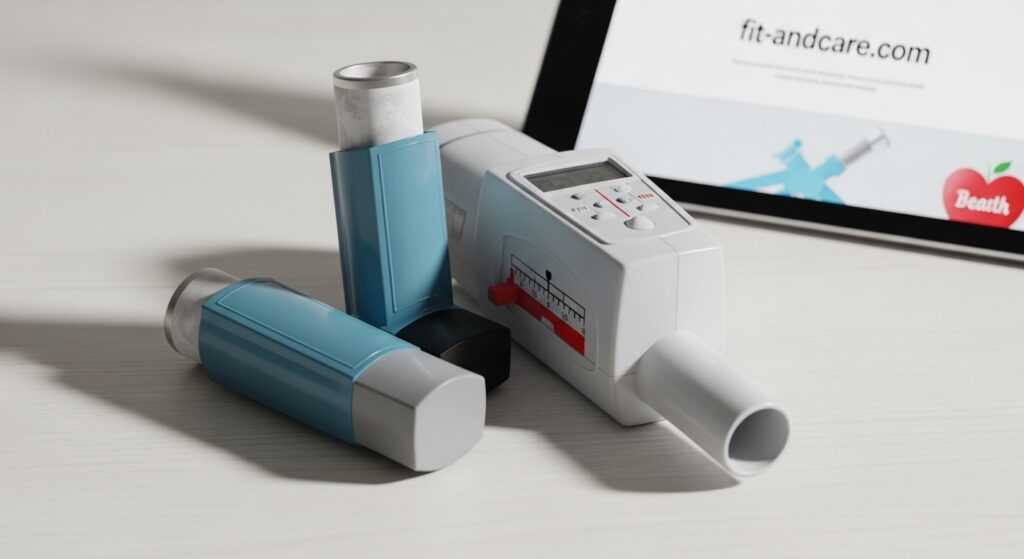
A peak flow meter
checks one’s capacity for breathing at home.
Allergy Testing
identifies possible causes.
Long-term effects decrease with an early diagnosis.
Treatment Options for Children and Adults
Since asthma cannot be cured, it can be effectively controlled.
1- Quick-Relief Medications
Bronchodilators, or rescue inhalers
2. Long-Term Control Medications
- Inhalation of corticosteroids
- Modifiers of leukotrienes.
3. Lifestyle Adjustments
- Avoid triggers
- Maintain the air within clean.
- Make use of air purifiers
- Try to be physically active (with proper care).
It’s essential to stick to an asthma action plan given by the doctor.
Can Adults Suddenly Develop Asthma?
Yes. Adult-onset asthma is common and may develop due to:
- Hormonal changes
- Occupational exposure
- Severe allergies
- Smoking
Symptoms may initially appear mild but can worsen over time.
Final Thoughts
Adults and children suffering from asthma should never have their symptoms ignored. Adults can suffer from chest tightness and breathlessness, but children often cough and have infection-related symptoms.
Quality of life can be greatly improved by early detection, trigger management, and proper treatment. For a correct diagnosis and treatment planning, consult with your doctor if your symptoms are severe or frequent.
For a healthy body, water plays an important role, and you can calculate it by clicking below.



One Comment