Breathing Exercises for Better Lung Health
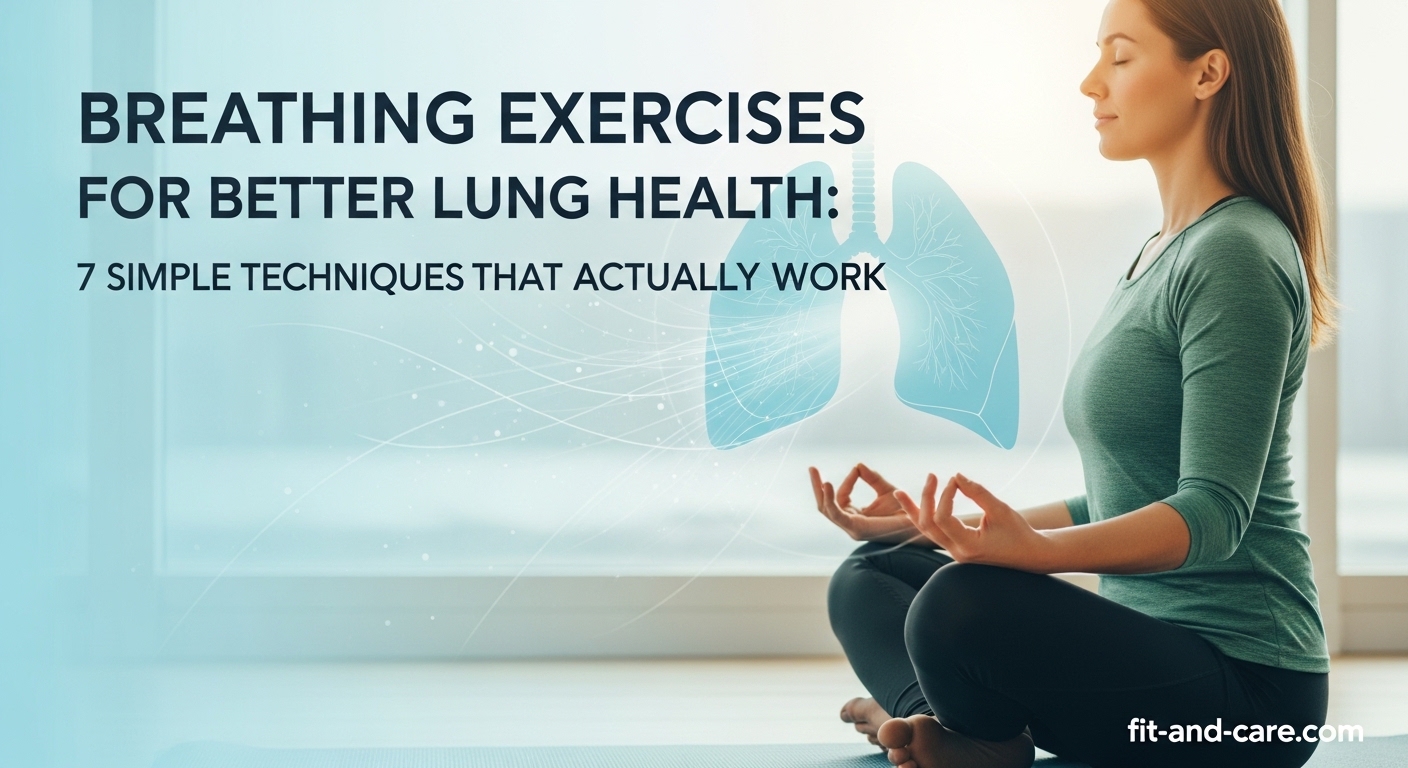
Energy, stamina, immunity, and overall well-being depend on healthy lung function. However, many people are unaware that poor breathing habits can gradually impair the lungs’ function. The good news is that simple, evidence-based breathing exercises can help support and improve lung health naturally. Breathing Exercises for Better Lung Health: 7 Simple Techniques That Work.
This guide will show you how to establish a daily routine that safely nurtures your lungs as well as the best breathing exercises to enhance lung health.
Why Lung Health Is More Important Than You Think
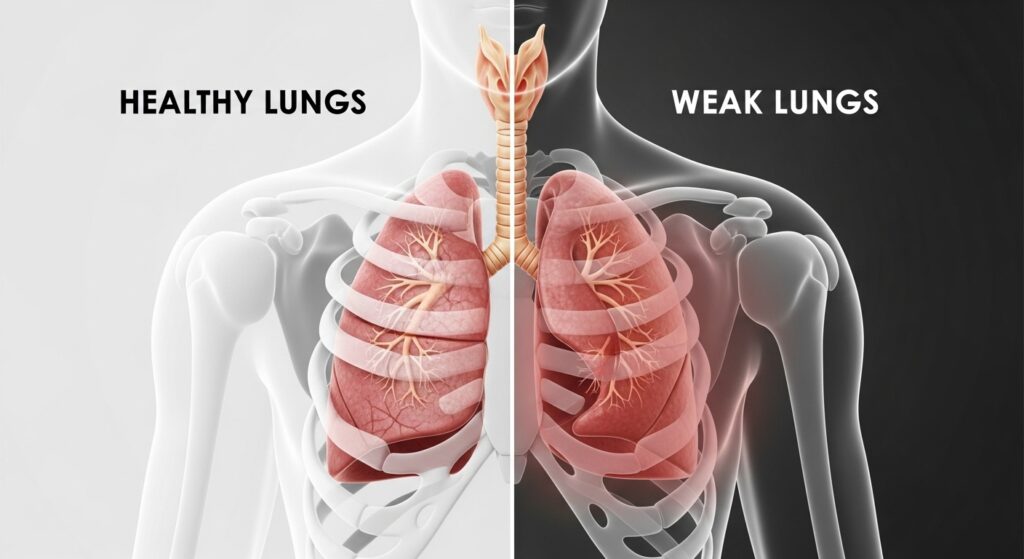
Every cell in your body gets oxygen via your lungs. As lung function declines, you could run into the following:
- Lack of breath
- Fatigue
- Poor performance during the workout
- Low amount of oxygen
- Fog in the brain
- Low immunity
Lung capacity falls due to a lack of movement, pollution, smoking, stress, and shallow chest breathing.
The response? Exercises to strengthen your lungs and retrain your breathing muscles.
Benefits of Breathing Exercises for Better Lung Health
Daily breathing exercises can help:
- Increase lung capacity.
- Improve the exchange of oxygen
- strengthen the diaphragm
- Reduce anxiety and stress
- Support the management of asthma
- Improve your posture
- Enhance endurance.
Breathing exercises are free, safe, and easy for starters.
7 Best Breathing Exercises for Better Lung Health
1. Diaphragmatic Breathing (Belly Breathing)
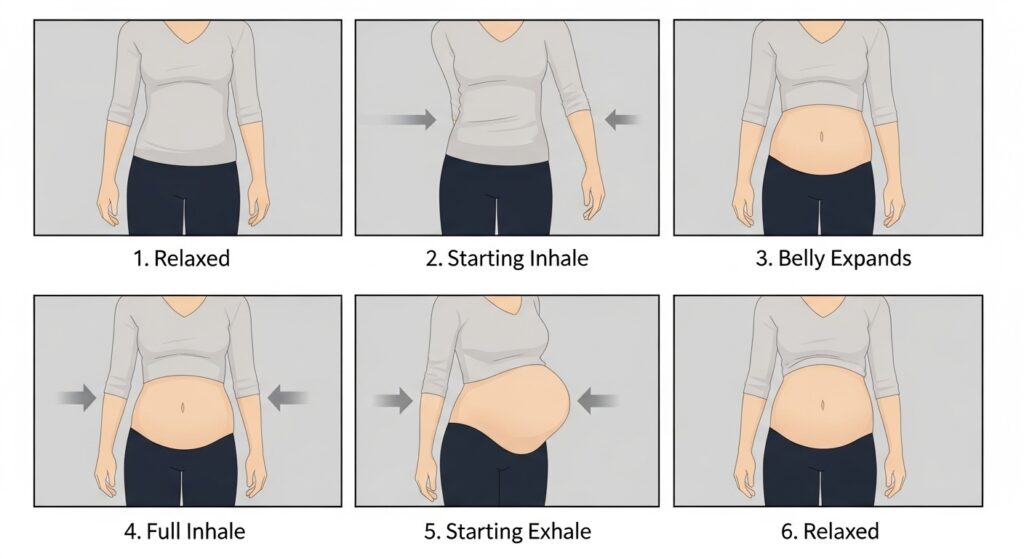
The main breathing muscle, the diaphragm, gets bigger with this exercise.
How to Do It:
- Comfortably sit or lie down.
- Place one hand on your stomach and the other on your chest.
- Take a long breath through your nose.
- Allow your belly to rise over your chest.
- Exhale slowly through your lips.
Duration:
- 5-10 minutes daily.
Benefits
- Improves the intake of oxygen
- Reduces shallow breathing
- Great for beginners
2. Pursed-Lip Breathing
Excellent for people with asthma or weak lungs.
Instructions:
- Inhale a slow, 2-second breath through your nose.
- Do a blowing-candles action with your lips.
- Exhale slowly for four seconds.

Benefits
- Keeps the passage of ways
- Improves the flow of oxygen
- Helpful for people with asthma
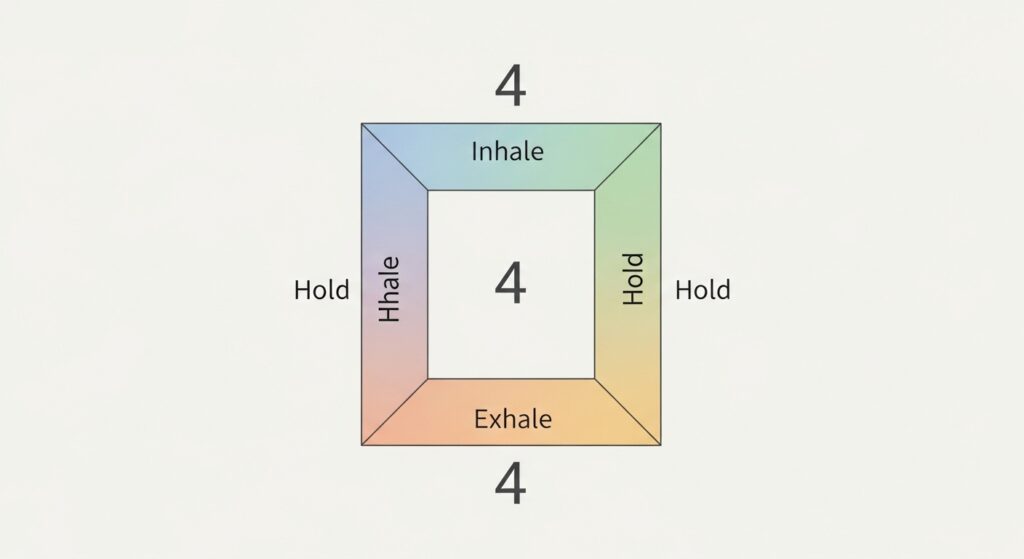
3. Box Breathing (4-4-4-4 Method)
popular among athletes and stress-reducing programs.
Method:
- Take a 4-second inhale.
- Hold for 4 seconds.
- Exhale for 4 seconds.
- Hold for 4 seconds.
- 5-10 cycles should be performed.
Benefits:
- Improves lung control
- Reduces anxiety
- Enhances attention
4. Alternate Nostril Breathing (Pranayama Style)
A powerful breathing method for lung balance.
Steps:
- Close the right nostril.
- Inhale through the left nostril.
- Close the left nostril.
- Exhale out through your right.
- Switch sides.

Benefits:
- Keeping oxygen levels in balance
- Supports respiratory health
- Improves mental clarity
5. 4-7-8 Breathing Technique
A relaxation-focused lung-strengthening method.
- Inhale 4 seconds
- Hold 7 seconds
- Exhale 8 seconds
Benefits:
- Expands lung capacity
- Improves sleep
- Reduces stress
6. Rib Stretch Breathing
It improves the expansion of the chest.
Steps:
- Hold a straight posture.
- Let out a full breath.
- Take a long breath and expand your ribs.
- Hold for 10 seconds.
- Exhale slowly.
Benefits
- Increases the lungs more
- Improves posture
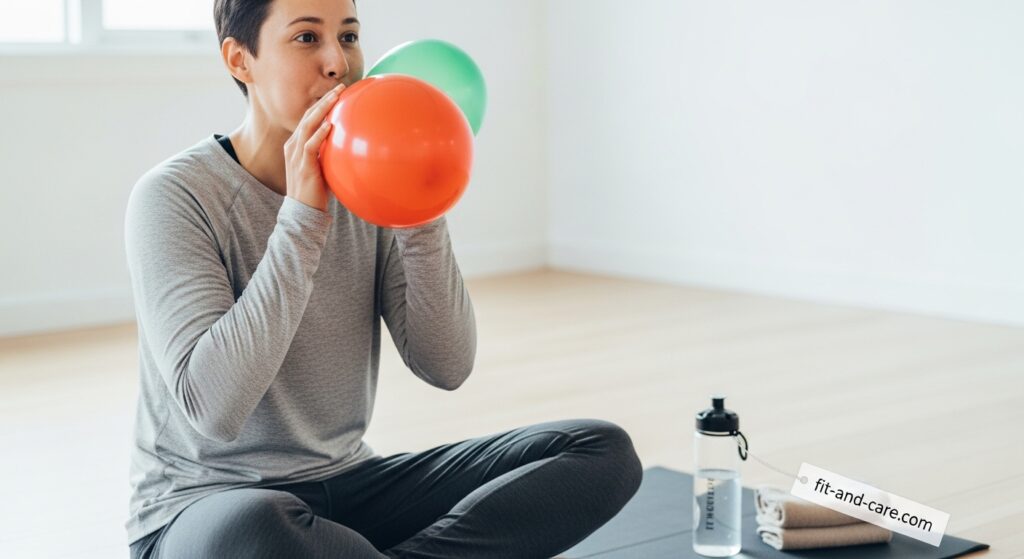
7. Balloon Breathing Exercise
Pleasant and effective.
How
- Take a deep breath and relax.
- Slowly blow into a balloon.
- Do this 3 to 5 times.
Benefits
- Keep breathing muscles strong.
- Improves lung capacity
How Often Should You Practice Breathing Exercises?
For best results:
- Beginners: 10 minutes daily
- Intermediate: 15-20 minutes
- Advanced: 20-30 minutes
Intensity is not as important as consistency.
Breathing Exercises for Specific Groups
For Office Workers
Sitting long hours reduces lung expansion. Practice diaphragmatic breathing every 2 hours.
For Smokers:
Start with pursed-lip breathing and balloon exercises.
For Asthma Patients:
Gentle belly breathing and controlled exhalation techniques work best.
Note:
If you or your child experiences breathing difficulty, understanding the early signs is important. You can read our detailed guide on asthma symptoms in children and adults to recognize warning signs early.
Common Mistakes to Avoid
- Breathing deep
- Breathing fast enough
- Practicing right away after a large meal
- Ignoring feeling dizzy
If you feel faint, always stop.
Can Breathing Exercises Increase Oxygen Levels?
Yes. Controlled breathing improves the efficiency of carbon dioxide removal and oxygen exchange. This boosts lung health, usually over time.
Sample 10-Minute Daily Lung Routine
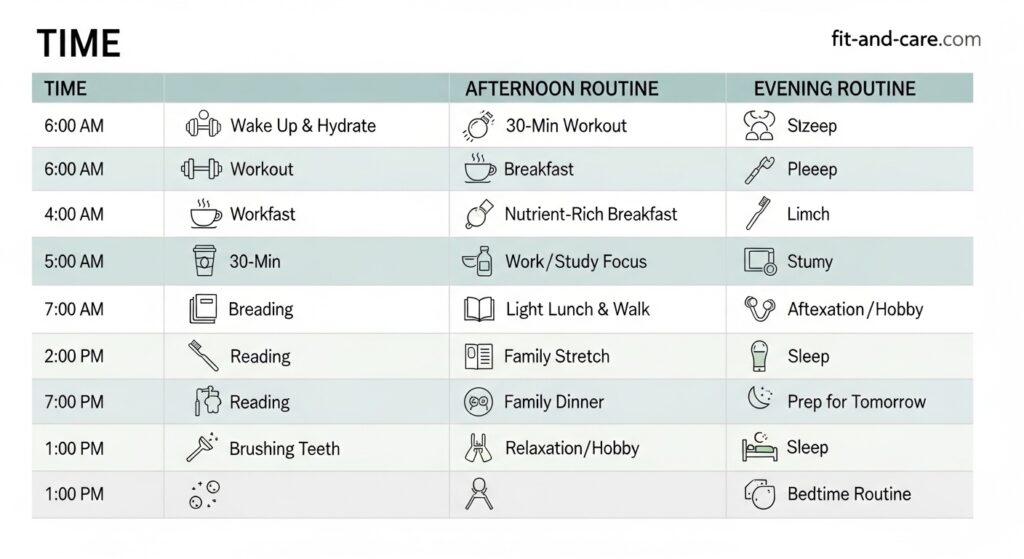
- 3 min Diaphragmatic breathing
- 2 min Pursed-lip breathing
- 2 min Box breathing
- 3 min Alternate nostril breathing
Total: 10 minutes
Safety Tips
- Consult a doctor if you have chronic lung disease
- Avoid polluted areas while practicing
- Stay hydrated
For people with chronic respiratory conditions, the CDC recommends consulting a healthcare professional before starting new breathing routines.
Final Thoughts
One of the easiest and most effective ways to enhance your overall wellness is to do breathing activities for better lung health. They simply need a few minutes a day, no gym dues, and no equipment.
Begin now. Your lungs will love it.