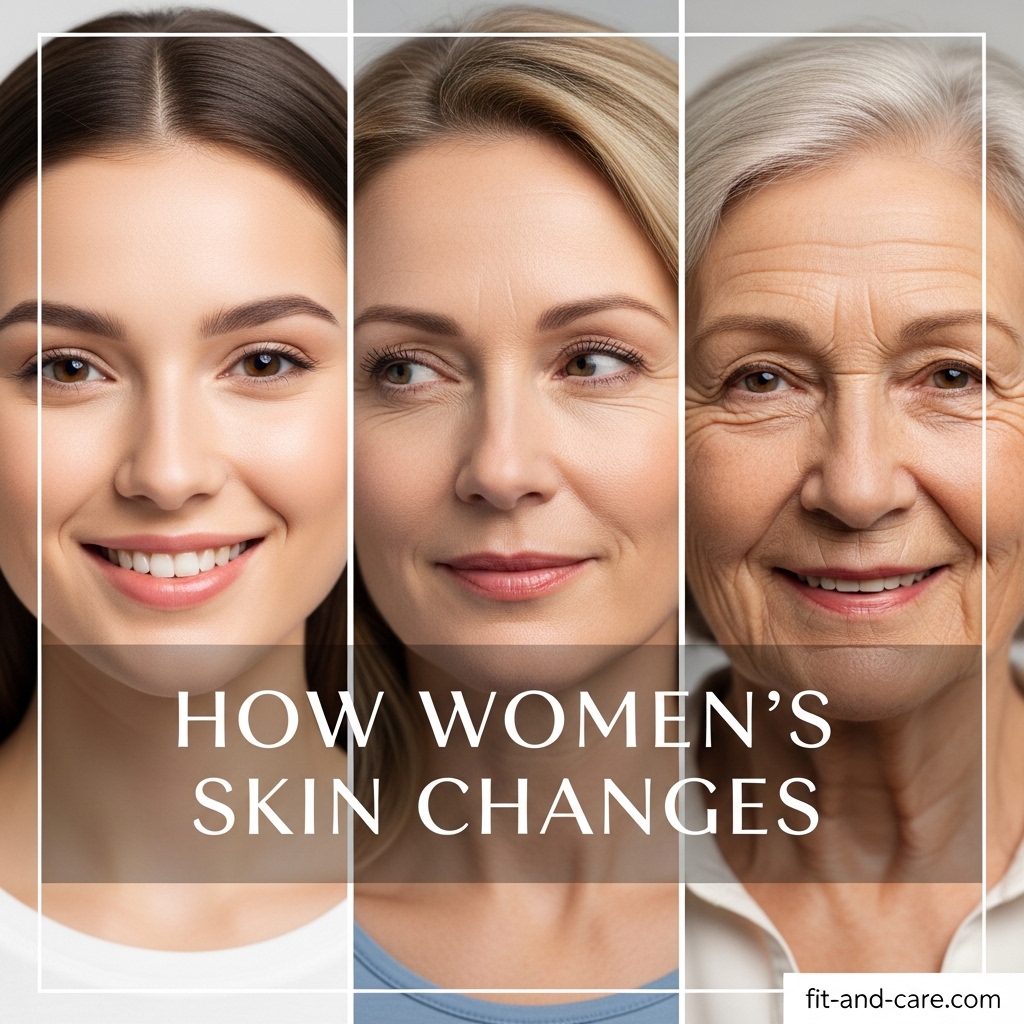
How Women’s Skin Changes
As aging is a normal part of life, many women see changes in their skin earlier than they would have thought. Sensitivity, dryness, uneven tone, poor softness, and tiny wrinkles often appear slowly, sometimes starting as early as the 30s. These changes are mostly caused by biology, hormones, lifestyle choices, and environmental exposure; they are not warning signs of neglect.
Due to hormonal changes throughout life, but especially during pregnancy, midlife, and menopause, women’s skin ages differently from men’s. The first step in selecting a suitable care routine is understanding how women’s skin changes with age. Healthy, glowing skin can be preserved at any age with the right information and regular practices.
In this complete guide, we will explore:
- Both internal and external impacts of aging on women’s skin
- Menopause and the effect of hormones
- Key factors that promote the aging of skin.
- Age-specific skincare routines
- Dermatologists give practical tips for lasting skin health
How Aging Affects Women’s Skin Structure
Women’s skin faces lots of biological changes as they age. Over time, these changes happen slowly and become clearer with every decade.
1. Skin thinning
Skin thinning is one of the biggest changes. The epidermis, the topmost layer of the skin, thins, giving the skin a more fragile, bare look. Furthermore, it heals from cuts and irritation more slowly and is more prone to bleeding.
2- Elastin and Collagen Loss
Firmness and elasticity are both due to proteins called collagen and elastin. Collagen production begins to decline in the mid-20s, at a rate of about 1% per year. The skin starts to sag as elastin fibers diminish, causing wrinkles and fine lines, particularly around the lips and eyes.
3- Decreased Production of Oil
As we age, our oil glands become less active. Reduced oil production later in age causes dryness, flakiness, and itching, but oily skin in youth can be more irritating. Due to hormonal changes, postmenopausal women frequently suffer from extreme dryness.
4- Changes to Pigmentation and Blood Vessels
Blood vessels become more fragile, making bruising and redness more likely. Age spots, dark patches, or uneven skin tone is caused by the different behavior of pigment-producing cells, mostly in sun-exposed areas like the face, neck, and hands.
The Role of Hormones in Women’s Skin Aging
The way that women’s skin ages is mainly affected by hormones.
Skin Health and Estrogen
Estrogen helps in keeping the following:
- Thickness of skin
- Retention of moisture
- Production of collagen
Estrogen levels rapidly drop during menopause. This hormonal drop may result in:
- An increase in dryness
- Reduced rigidity.
- Better sensitivity
- Slower healing of injuries
Women may notice their skincare products no longer work as effectively during this stage, requiring routine adjustments.
Stress Hormones and Cortisol
Chronic stress raises cortisol levels, which break down collagen and increase inflammation in the skin. This accelerates premature aging, causing dullness and breakouts—even in mature skin.
External Factors That Accelerate Skin Aging in Women
While aging is natural, faster skin aging can be due to lots of external causes.
1- Exposure to sunlight (Photoaging)
The main reason for early aging is sun damage. Wrinkles, sagging, sunspots, and rough texture are caused by the breakdown of collagen and elastin by UV rays. Over time, even little daily exposure causes damage.
2- Smoking
Smoking reduces blood flow to the skin, depriving it of nutrients and oxygen. Also, it causes deep wrinkles, especially at the mouth, and breaks down collagen.
3. Pollution and Environmental Toxins
Air pollution generates free radicals that damage skin cells, leading to inflammation, uneven tone, and accelerated aging.
4. Poor Lifestyle Habits
Lack of sleep, poor nutrition, dehydration, and high sugar intake negatively affect skin repair and regeneration.
How Women’s Skin Changes by Age Group
Changes in Skin in Your 30’s
- Early fine lines, particularly those surrounding the eyes
- Slower cell turnover causes dullness
- Often being dry
Prevention and protection are the main goals of skin care.
Changes in Your Skin in Your 40’s
- Lowering of elasticity
- More prominent wrinkles
- Inconsistent pigmentation and tone
Focus of Skin Care: Collagen support, hydration, and repair
Skin Changes in Your 50s and Beyond
- Significant dryness
- Thinner, fragile skin
- Increased sensitivity
- Age spots
Skin Care Focus: Nourishment, barrier repair, and gentle care
Best Anti-Aging Skin Care Routine for Women
Consistency and care are more essential for aging skin than harsh treatments.
1. Mild Cleaning
To get rid of dirt without diminishing natural oils, use a light, fragrance-free cleanser. Avoid hot water, as it causes dryness.
2- Non-negotiable Daily Sun Protection
- Apply a broad-spectrum sunscreen with at least SPF 30.
- Apply daily, even indoors.
- When you’re on the outside, reapply
The best anti-aging product on the market is sunscreen.
3- Hydration and Moisturizing
Choose moisturizers that have:
- Acid hyaluronic
- Ceramides
- Glycerin
After cleansing, apply moisturizer right away to seal in moisture.
4- Specialized Anti-Aging Ingredients
Retinoids
- Enhance the creation of collagen
- Enhance the texture and tiny lines
To prevent irritation, start slowly and use at night.
Vitamin C
- Makes skin brighter
- Fights free radicals
- Improves the uneven tone
Niacinamide:
- Strengthens the skin’s barrier
- Reduces sensitivity and redness
5- Exfoliation (Less Is More)
To get rid of dead skin cells, gently exfoliate once or twice a week. Stay away from rough scrubs; older skin reacts better to chemical exfoliants like lactic acid.
Lifestyle Habits That Improve Aging Skin Naturally
Healthy Diet for Skin Aging
Include:
- Fruits and vegetables rich in antioxidants
- Omega-3 fatty acids (nuts, seeds, fish)
- Adequate protein for skin repair
Reduce sugar intake to prevent collagen breakdown.
Sleep and Skin Repair
Skin repairs itself during sleep. Aim for 7–8 hours of quality sleep to support natural regeneration.
Stress Management
Practices like yoga, meditation, and regular exercise lower cortisol levels and improve circulation, benefiting skin health.
When Should Women See a Dermatologist?
Visit a dermatologist if you experience:
- Unexpected changes to the skin
- Itching or persistent dryness
- Moles or old age spots that grow quickly
- Lesions that hurt, bleed, or don’t heal
The CDC recommends regular skin checks to detect early signs of skin cancer.
Myths About Aging Skin in Women
Myth 1: Wrinkles can be completely erased
Truth: Skin care improves appearance but cannot stop aging entirely.
Myth 2: Anti-aging products are only for older women
Truth: Prevention should begin in your 20s and 30s.
Myth 3: Natural aging means no skin care is needed
Truth: Aging skin needs more care, not less.
Final Thoughts: Aging Gracefully With Healthy Skin
Skin changes are a sign of a life well lived, and aging is a luxury. While biological and environmental factors lead women’s skin to change as they age, the correct skincare routine and way of life can have an important effect.
The aim is to seem healthy, self-assured, and radiant at any age rather than to appear “younger.” You can keep your skin’s natural beauty for many years to come by learning about its requirements and gradually altering your care routine.