Macro & Calorie Planner
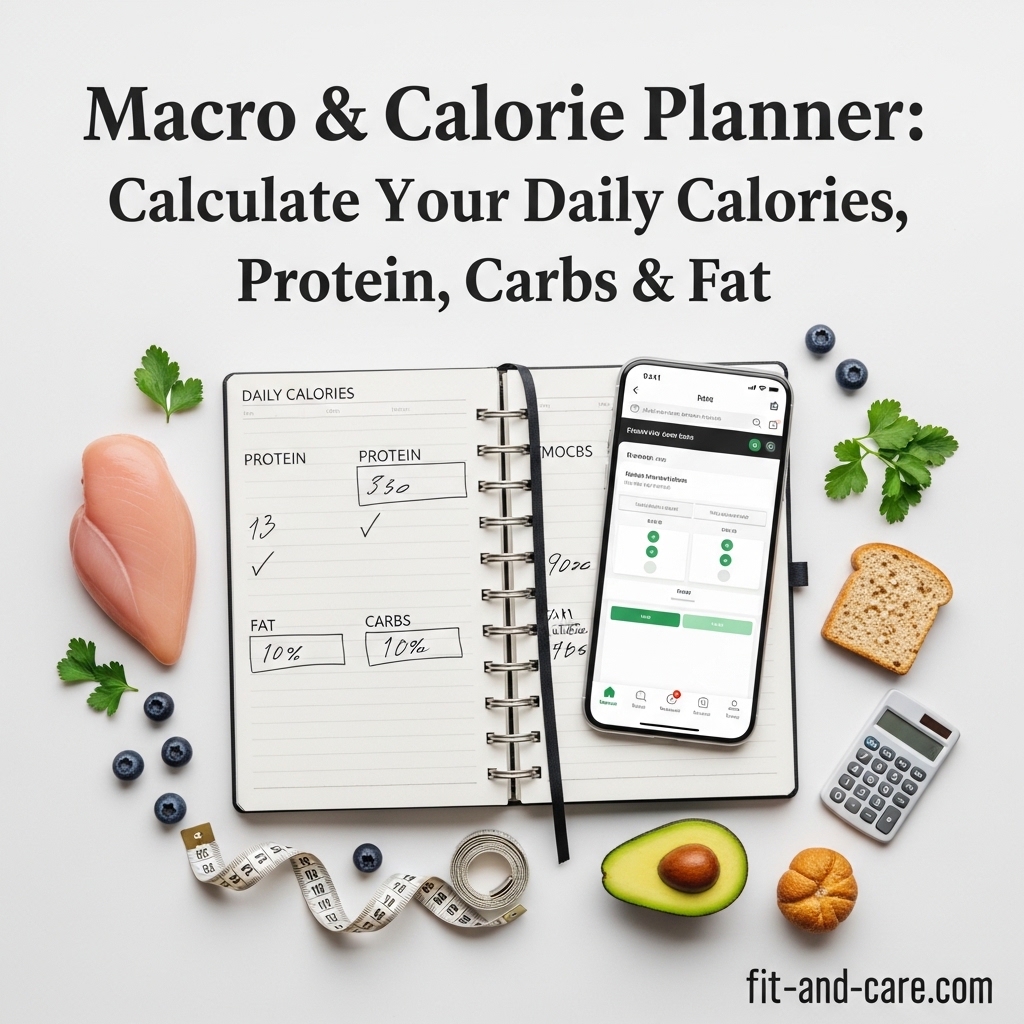
Macro & Calorie Planner: Calculate Your Daily Calories, Protein, Carbs & Fat
The most efficient way to do it is to know exactly how many calories and macronutrients you need each day, whether you aim to maintain a healthy lifestyle, gain lean muscle, or lose weight. Our free Macro & Calorie Planner removes uncertainty in nutrition by offering you a customized, reliable breakdown of your carbs, protein, and fat goals in a matter of seconds.
This detailed guide will explain what macronutrients are, why they are vital, how to calculate your optimal intake, and how to use our interactive calculator to achieve your health objectives faster.
What Are Macronutrients and Why Do They Matter for Your Health?
Macronutrients—commonly called “macros”—are the three primary nutrients your body uses for energy: protein, carbohydrates, and dietary fat. Unlike micronutrients (vitamins and minerals), macros are needed in large quantities every single day. Each plays a distinct and irreplaceable role in how your body performs, recovers, and feels.
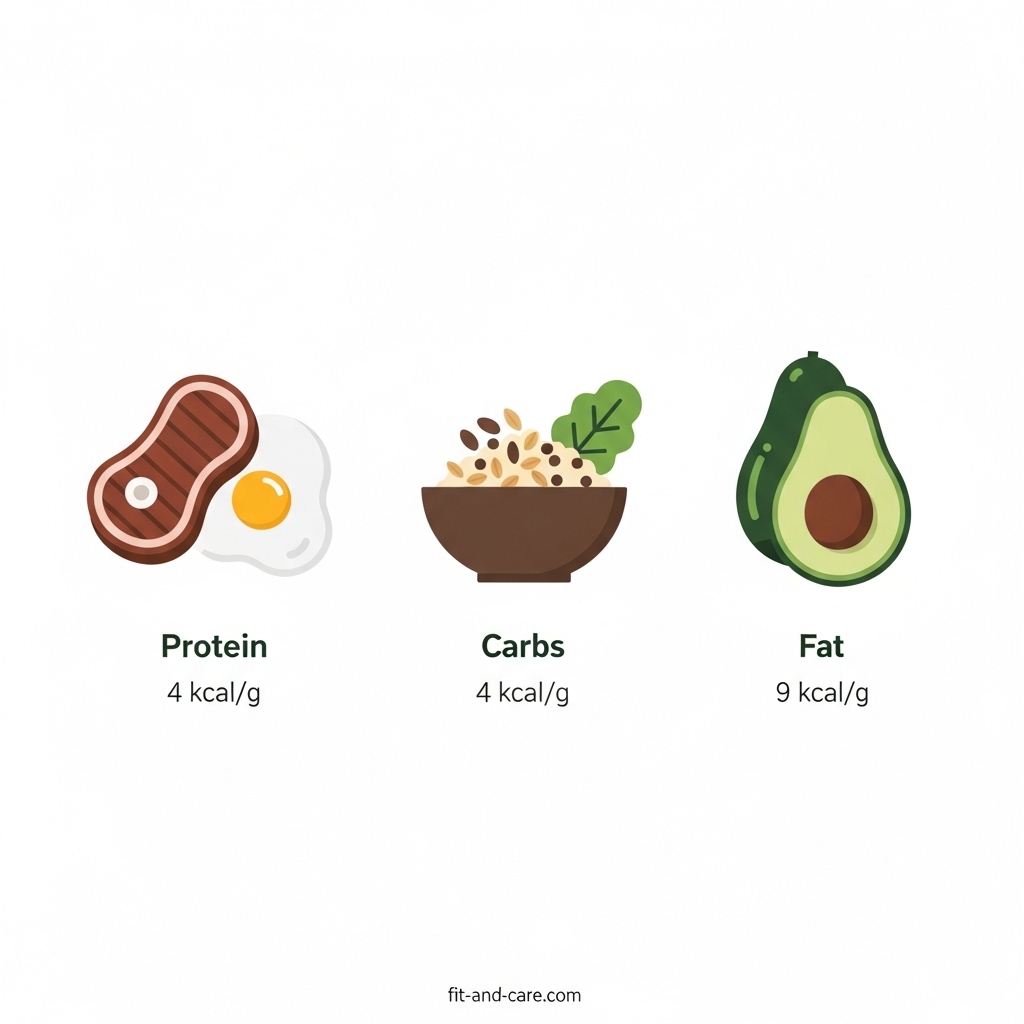
Protein: The Building Block of Every Cell
Hormone production, immune reaction, muscle growth and repair, and satiety all rely on protein. Protein has 4 calories per gram. Reduced starvation, improved body composition, and preservation of lean muscle mass after weight loss are all routinely caused by high-protein diets. Greek yogurt, eggs, lentils, tofu, whey protein, and chicken breast are examples of high-quality foods.
Carbohydrates: Your Body’s Preferred Fuel Source
A breakdown of carbohydrates produces glucose, which fuels the brain, muscles, and most bodily functions. Also, each gram of carbs contains 4 calories. The quality of sugar is important; refined carbs raise blood sugar levels and promote fat buildup, whereas fiber-rich, complex carbs like vegetables, sweet potatoes, quinoa, and oats release energy slowly and support gut health.
Dietary Fat: Essential for Hormones, Brain Health, and Absorption
At 9 calories per gram, fat is the most calorie-dense macronutrient, but it is necessary for the uptake of fat-soluble vitamins (A, D, E, and K), the synthesis of hormones like estrogen and testosterone, the maintenance of brain function, and the defense of organs. Limit trans fats and a lot of saturated fat while giving emphasis to unsaturated fats from avocados, olive oil, almonds, and fatty seafood.
How to Calculate Your Daily Calorie Needs: BMR, TDEE, and Calorie Targets
Your Basal Metabolic Rate (BMR) and Total Daily Energy Expenditure (TDEE) are two important figures that help you understand how much energy you need. Any good nutrition plan begins by getting things right.
What Is BMR (Basal Metabolic Rate)?
Our calculator uses the gold-standard Mifflin-St Jeor equation, which research consistently demonstrates to be the most accurate formula for estimating BMR in both men and women. Your BMR is the amount of calories your body burns at complete rest—just to keep your heart beating, lungs breathing, and cells functioning. It makes up roughly 60–75% of your total daily calorie burn.
For men: BMR = (10 × weight in kg) + (6.25 × height in cm) − (5 × age) + 5
For women: BMR = (10 × weight in kg) + (6.25 × height in cm) − (5 × age) − 161
What Is TDEE (Total Daily Energy Expenditure)?
TDEE is computed by multiplying your BMR by an activity factor, which is the volume of activity you do in the day. This is the total number of calories you burn every day from all of your actions, including walking, laboring, and exercise. Maintaining your present weight requires eating at your TDEE.
Activity multipliers used in our calculator:
⦁ Sedentary (desk job, no exercise): BMR × 1.2
⦁ Lightly active (1–3 days/week): BMR × 1.375
⦁ Moderately active (3–5 days/week): BMR × 1.55
⦁ Very active (6–7 days/week): BMR × 1.725
⦁ Extra active (athlete or physical job): BMR × 1.9
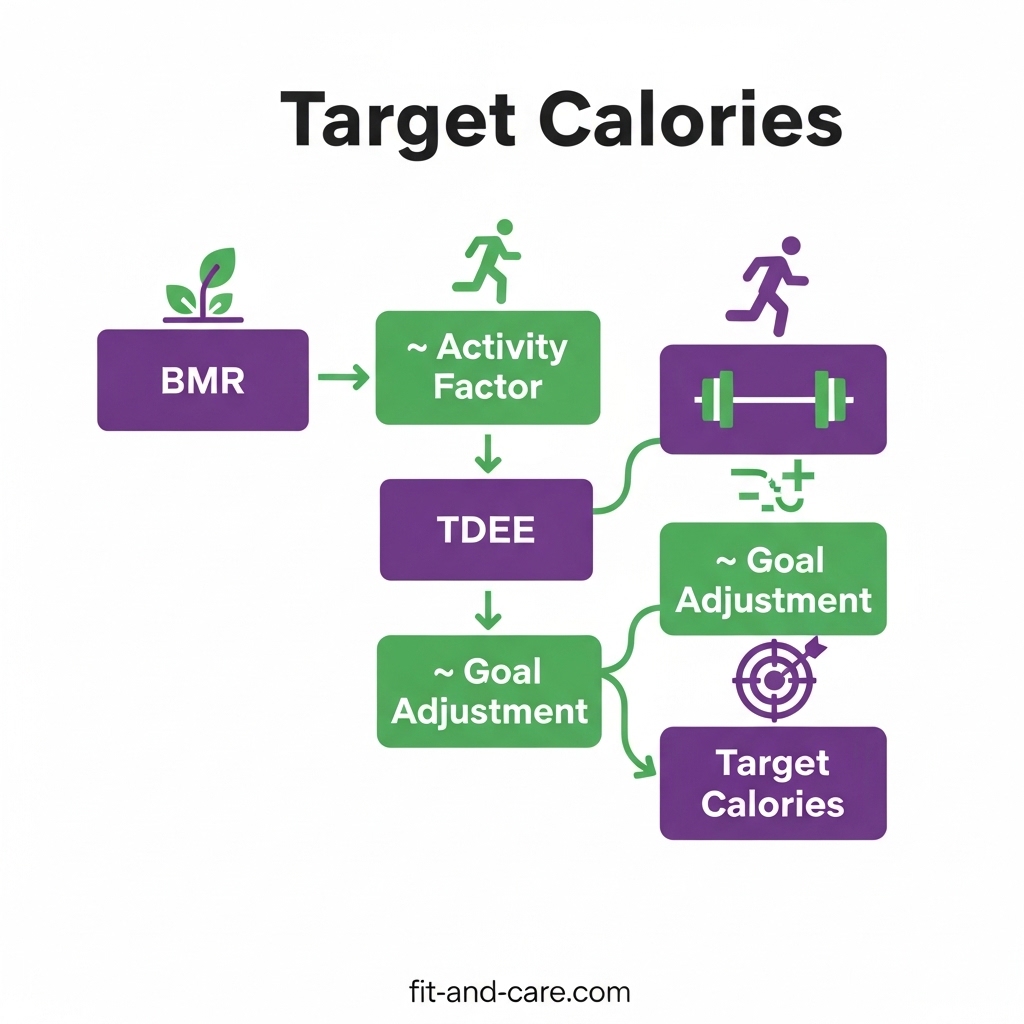
Setting Your Calorie Target Based on Your Goal
Once you know your TDEE, adjusting it based on your goal is straightforward:
⦁ Weight loss: subtract 400–500 calories from TDEE to create a moderate deficit, targeting 0.4–0.5 kg of fat loss per week.
⦁ Muscle gain: add 250–350 calories above TDEE to support anabolism and lean muscle growth without excessive fat gain.
⦁ Maintenance: Eat at your TDEE to sustain your current weight and body composition.
You can also use our BMR & TDEE calculator for a deeper breakdown of your metabolic rate or track your progress with the Goal Planner & Habit Tracker—both available in our Calculators section.
Try Our Free Macro & Calorie Planner Calculator
🌿 Macro & Calorie Planner
Calculate your daily calories, protein, carbs & fat based on your goal — powered by the Mifflin-St Jeor formula.
Your Info
Your Goal
Macro Split (%)
⚠️ Percentages must add up to 100%
How to Set Your Ideal Macro Ratios for Your Goal
What sets a good nutrition plan apart from a great one is the way you divide your calorie aim among suitable macros. While there is not one perfect ratio, evidence-based suggestions provide us with great places to start, subject to your specific goal.
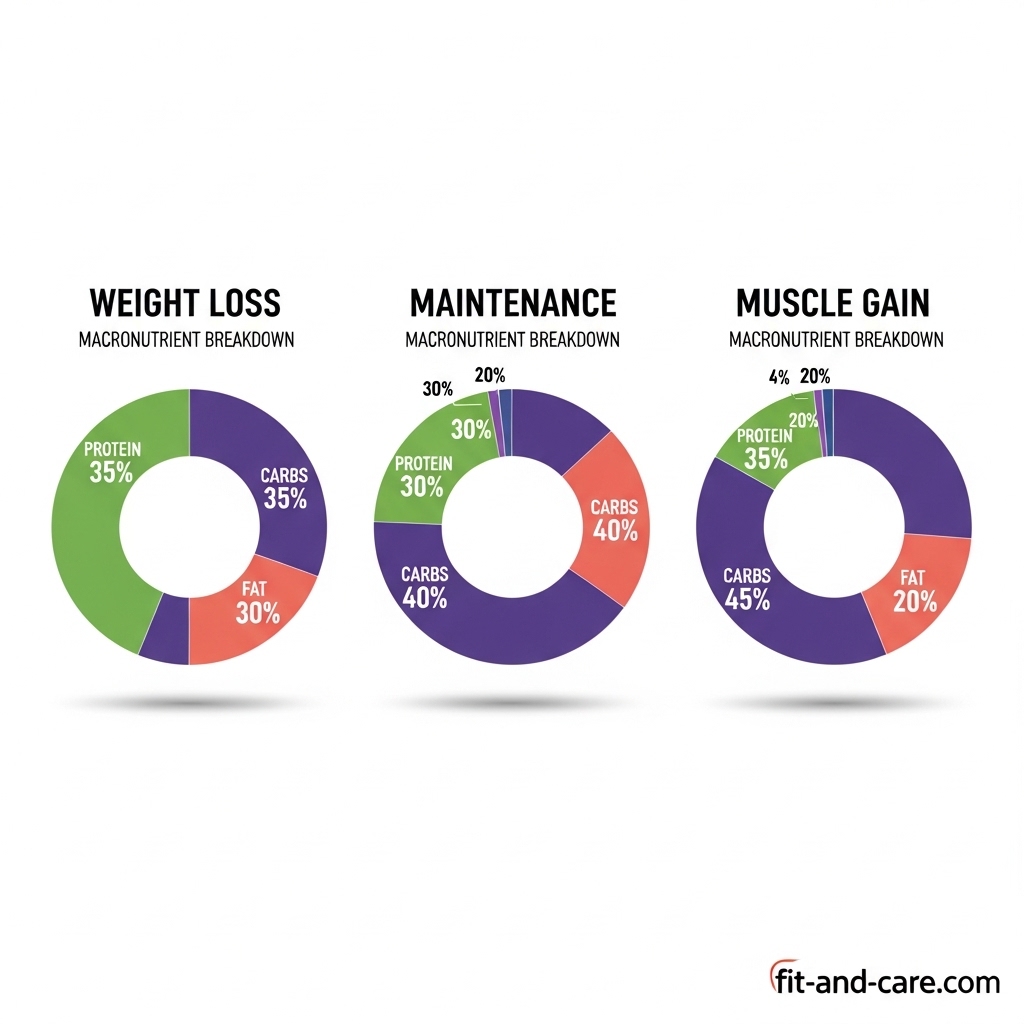
Best Macro Split for Weight Loss
Eating more protein is crucial for fat loss. Due to its high thermic effect and satiety-promoting properties, protein reduces hunger and protects lean muscle during a calorie deficit. 35% protein, 35% carbs, and 30% fat is a classic initial split for weight loss. This amounts to 1.6–2.2 g of protein per kilogram of body weight per day.
Best Macro Split for Muscle Gain
A surplus of calories and sufficient protein to promote muscle protein synthesis are both essential to building lean muscle. 35% protein, 45% carbs (which help fuel workouts and replace glycogen), and 20% fat are recommended ratios in muscle gain. Here, carbohydrates are your friend; do not be scared of them. Aim for 1.8–2.5 grams of protein per kg of body weight.
Best Macro Split for General Maintenance
A balanced 30% protein, 40% carbs, and 30% fat split works well for most healthy adults maintaining their weight. This ratio supports stable energy, hormone health, gut function, and athletic performance without extremes. You can fine-tune based on how you feel and perform—this is your baseline
How to Use the Macro & Calorie Planner: Step-by-Step Guide
Our calculator is designed to be fast, accurate, and easy to use. Follow these steps:
- Enter your age, biological sex, weight (in kg), and height (in cm).
- Select your activity level from the dropdown menu—be honest here; most people overestimate their activity.
- Choose your goal: lose weight, maintain, or build muscle.
- Review or adjust your macro split percentages (or use our pre-set goal recommendations).
- Click “Calculate My Macros” to see your personalized daily targets.
- Note your calorie target, BMR, TDEE, and gram targets for protein, carbs, and fat.
- Use these numbers to plan your meals, track your intake in an app like MyFitnessPal or Cronometer, and adjust every 4–6 weeks as your weight changes
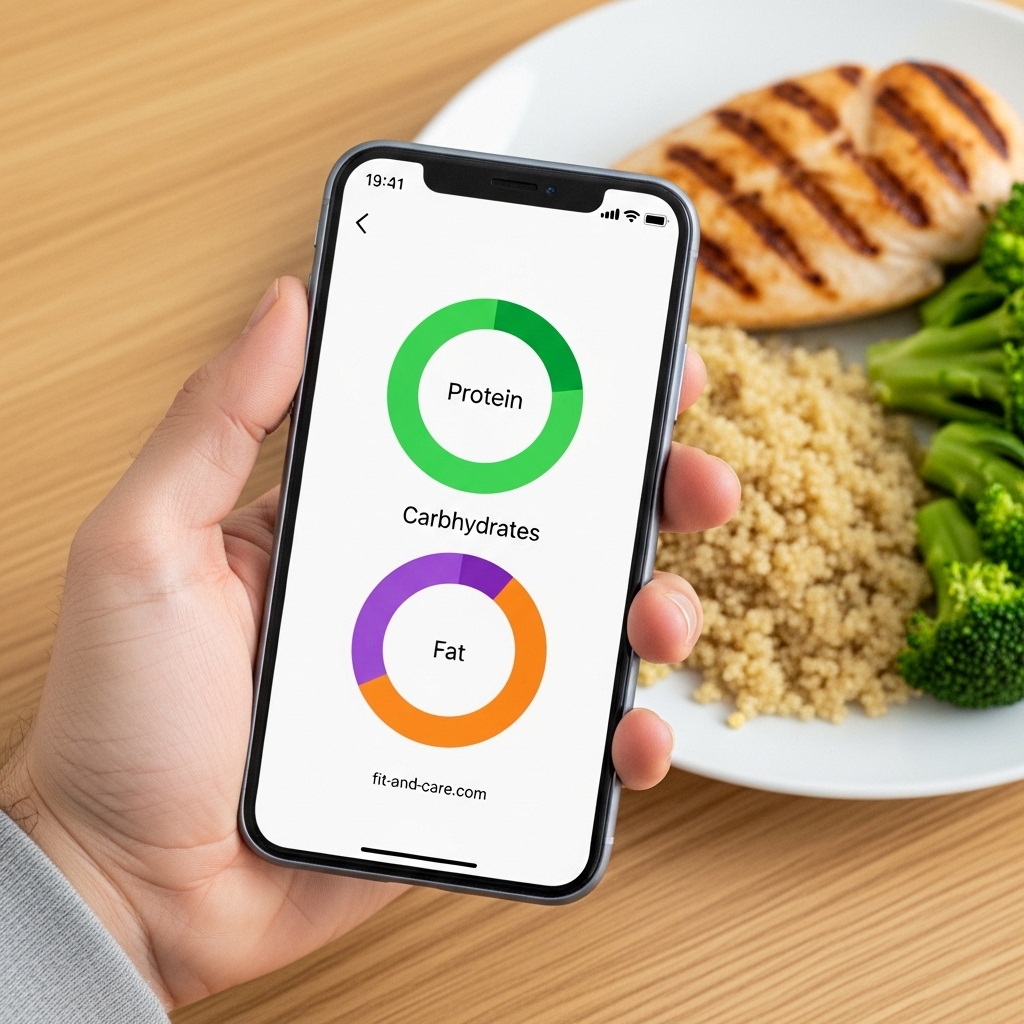
Top Tips to Hit Your Daily Macro Targets Consistently
Knowing your macros is step one. Hitting them consistently—especially when life gets busy—is the real challenge. Here are expert-approved strategies:
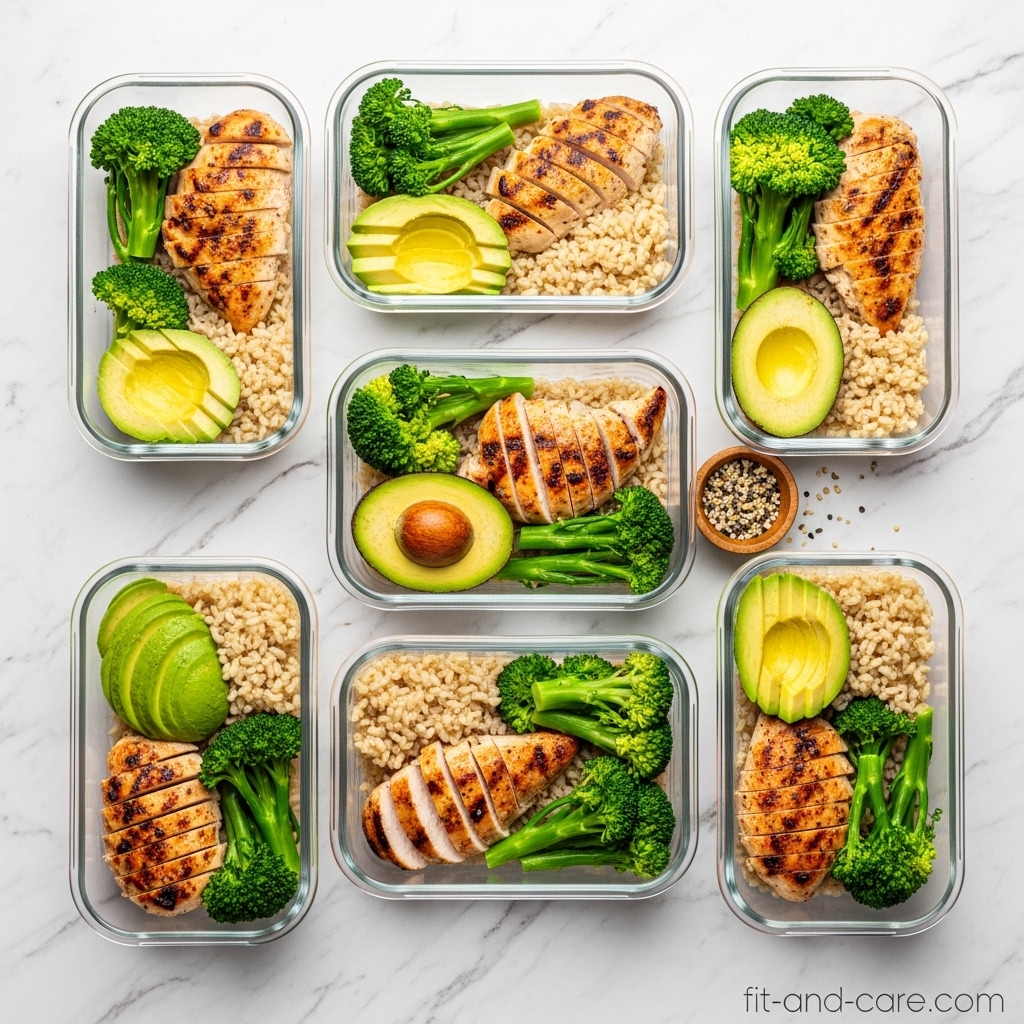
⦁ Meal prep on Sundays: Batch cook proteins and carbs so hitting your targets on weekdays takes minutes, not willpower.
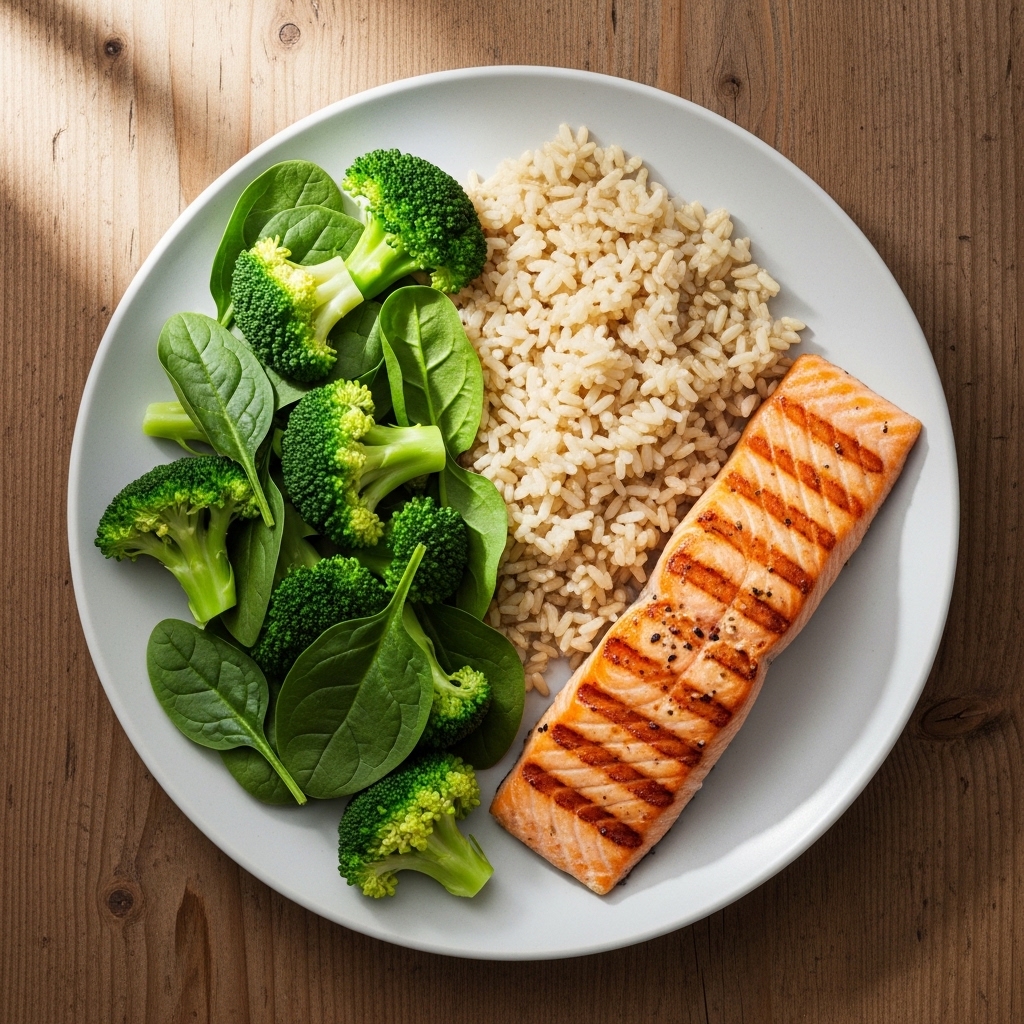
⦁ Use the plate method: half your plate vegetables, one quarter lean protein, one quarter complex carbs. Simple and macro-friendly without tracking every bite.
⦁ Prioritise protein first: Build each meal around your protein source, then add carbs and fat. This ensures protein targets are hit even on imperfect days.
⦁ Track for 2–4 weeks: You do not need to track forever. A month of consistent tracking builds an intuitive understanding of food portions that lasts years.
⦁ Do not stress over perfection: Hitting within 10% of your targets on most days produces excellent results. Consistency beats precision.
⦁ Adjust every 4–6 weeks: As your weight changes, your TDEE changes. Recalculate using our planner to keep your targets accurate.
⦁ Stay hydrated: Adequate hydration (2–3 liters per day) supports nutrient transport, digestion, and accurate hunger signals.
Frequently Asked Questions (FAQ)
Q1. How accurate is an online macro and calorie calculator?
Online macro calculators using the Mifflin-St Jeor formula are accurate within 10–15% for most adults. They provide an excellent starting estimate. Individual metabolic variation means you may need to adjust your target by 100–200 calories after 2–4 weeks based on actual weight change. Track your results and fine-tune accordingly—no formula beats real-world data over time.
Q2. How many calories should I eat to lose weight without losing muscle?
The safest and most effective approach is a moderate deficit of 400–500 calories below your TDEE, combined with a high protein intake of 1.6–2.2 g per kg of body weight. This creates a pace of roughly 0.4–0.5 kg of fat loss per week while providing enough protein to preserve lean muscle mass. Larger deficits increase the risk of muscle loss and are harder to sustain.
Q3. What is a good macro split for a beginner?
For most beginners without a specific athletic goal, a 30% protein / 40% carbs / 30% fat split is an excellent starting point. It is balanced, sustainable, and supports general health. Once you have followed this for 4–6 weeks and have a feel for macros, you can adjust the split to better match your evolving goals—for example, increasing protein if you start resistance training.
Q4. How often should I recalculate my macros?
Recalculate every 4–6 weeks, or whenever your weight changes by more than 3–4 kg. Your TDEE shifts as your body weight changes—someone who has lost 10 kg will have a lower TDEE than they did at the start, meaning their original calorie target would no longer create a deficit. Regular recalculation keeps your plan accurate and prevents unwanted plateaus.
Q5. What is the difference between BMR and TDEE?
BMR (Basal Metabolic Rate) is the number of calories your body burns at absolute rest — the energy needed just to keep your organs functioning. TDEE (Total Daily Energy Expenditure) adds the calories burned through all your daily activities on top of BMR. TDEE is the number you actually need to match your intake to in order to maintain weight. BMR alone significantly underestimates real calorie needs for active people.

About This Calculator
At Fit-and-Care, every calculator and article we publish is developed using peer-reviewed research and established nutritional science. The Macro & Calorie Planner uses the Mifflin-St Jeor equation, first published in the Journal of the American Dietetic Association (1990) and validated in subsequent independent research as the most accurate predictive formula for resting metabolic rate in the general adult population.
This tool is intended for informational and educational purposes. It is not a substitute for personalised advice from a registered dietitian, doctor, or certified nutritionist. If you have a medical condition, are pregnant, or have complex nutritional needs, please consult a qualified healthcare professional before making significant changes to your diet.
Our editorial team reviews all health content regularly to ensure accuracy. We cite primary sources and link to authoritative institutions, including the USDA, NIH, and peer-reviewed journals.