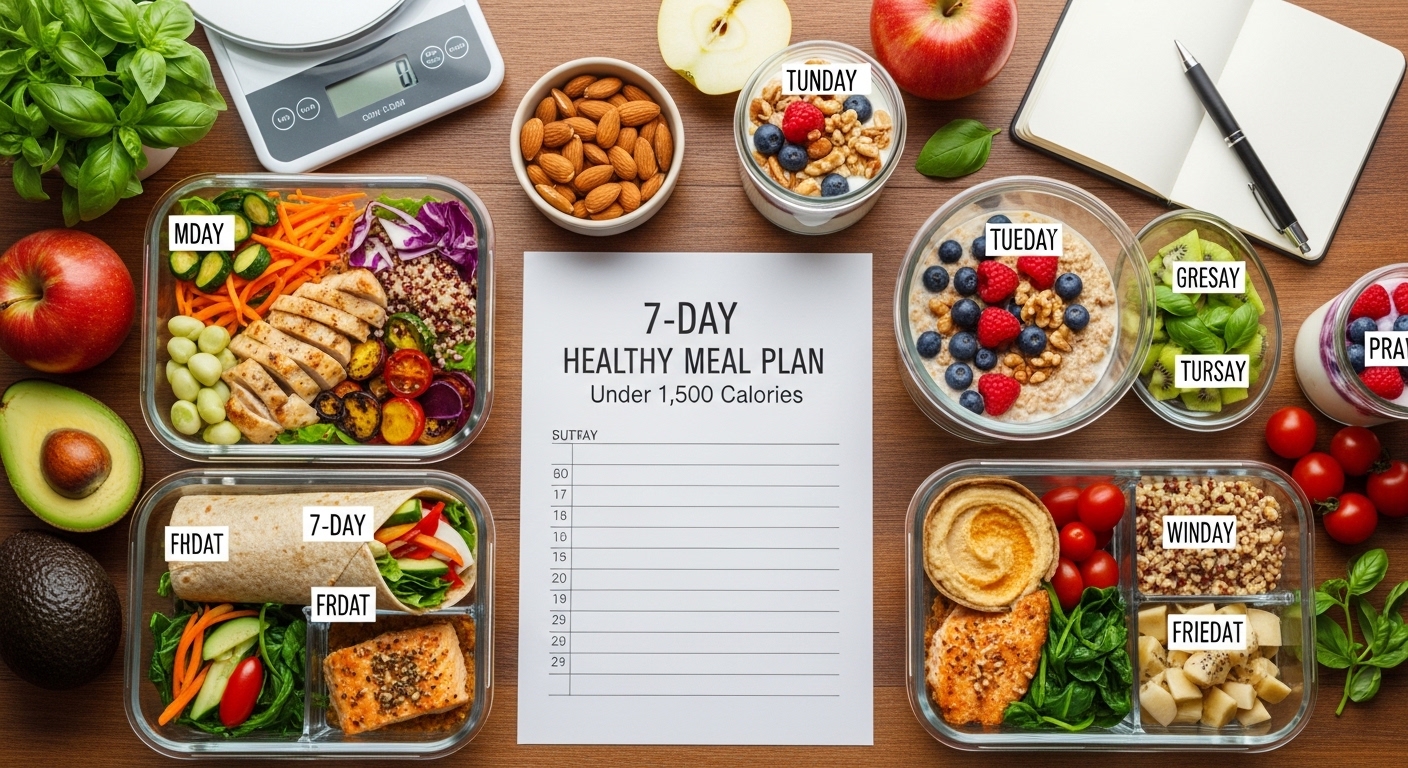
7-Day Healthy Meal Plan Under 1,500 Calories
Introduction: Why a 1,500-Calorie Meal Plan Works
You do not have to starve yourself or spend a lot of time in the kitchen to eat wisely. In addition to giving your body all that it needs—essential foods, full portions, and steady energy—a planned 7-day healthy meal plan under 1,500 calories provides a healthy calorie deficit for slow, safe weight loss.
The Dietary Guidelines for Americans say that, depending on their Basal Metabolic Rate (BMR), most moderately active adults can safely shed 0.5 to 1 pound per week by limiting their daily calorie count to 1,500 calories. To ensure you meet your macronutrient goals (protein, healthy fats, and complex carbohydrates) while staying within the caloric limit, this diet was designed using evidence-based nutrition principles.
This guide provides everything you need, such as a full 7-day menu, nutritional breakdowns, grocery shopping tips, meal prep methods, and expert guidance, whether you are a beginner trying to adopt a healthier routine, someone going back to clean eating after a break, or an individual pursuing a specific health goal.
Now let’s get started.
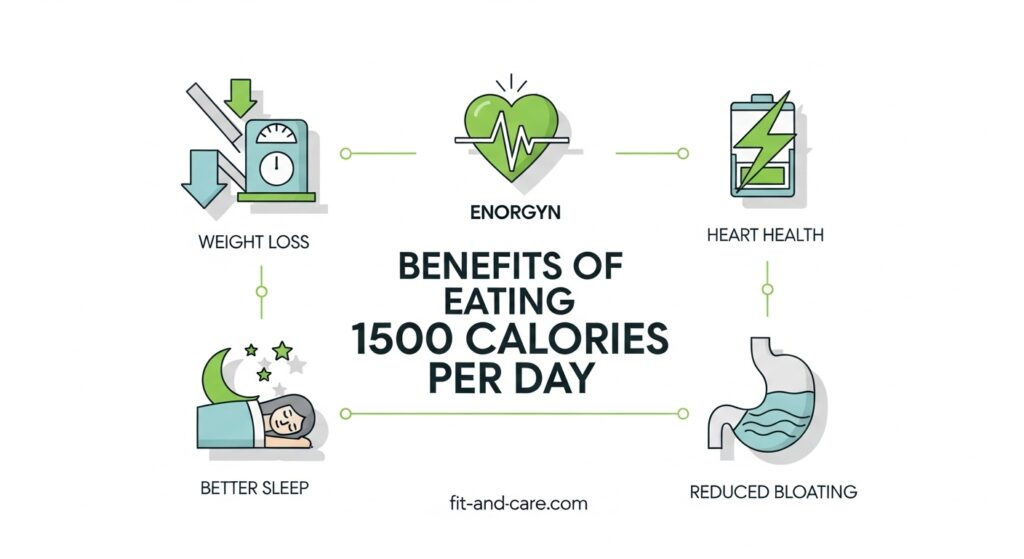
Benefits of Eating Under 1,500 Calories a Day
It’s vital to know the pros of a set calorie goal before we lay out the food plan:
•When intake of protein is enough, it promotes continuous fat reduction without muscle loss.
- Cuts the risk of acquiring chronic diseases like Type 2 diabetes, heart disease, and high blood pressure.
- Enhances energy by eliminating excess processed sugars and harmful fats.
- Creates lifelong good habits through consistency and structure
- Supports better mental clarity and sleep quality
- Lessens: GI distress and bloating
Daily Nutritional Targets at 1,500 Calories
This plan is balanced to hit the following macro and micronutrient targets daily:
| Nutrient | Daily Target | Why It Matters |
| Total Calories | 1,400 – 1,500 kcal | Creates a safe calorie deficit for weight loss |
| Protein | 90 – 120g | Preserves muscle mass, keeps you full longer |
| Carbohydrates | 150 – 170g | Provides sustained energy throughout the day |
| Healthy Fats | 40 – 55g | Supports brain function and hormone balance |
| Dietary Fiber | 25 – 35g | Improves digestion and reduces hunger |
| Sodium | Under 2,300mg | Protects cardiovascular health |
| Water Intake | 8 – 10 glasses | Essential for metabolism and detoxification |
The Complete 7-Day Healthy Meal Plan Under 1,500 Calories
Each day includes breakfast, a mid-morning snack, lunch, an afternoon snack, and dinner. Approximate calorie counts are provided for each meal.
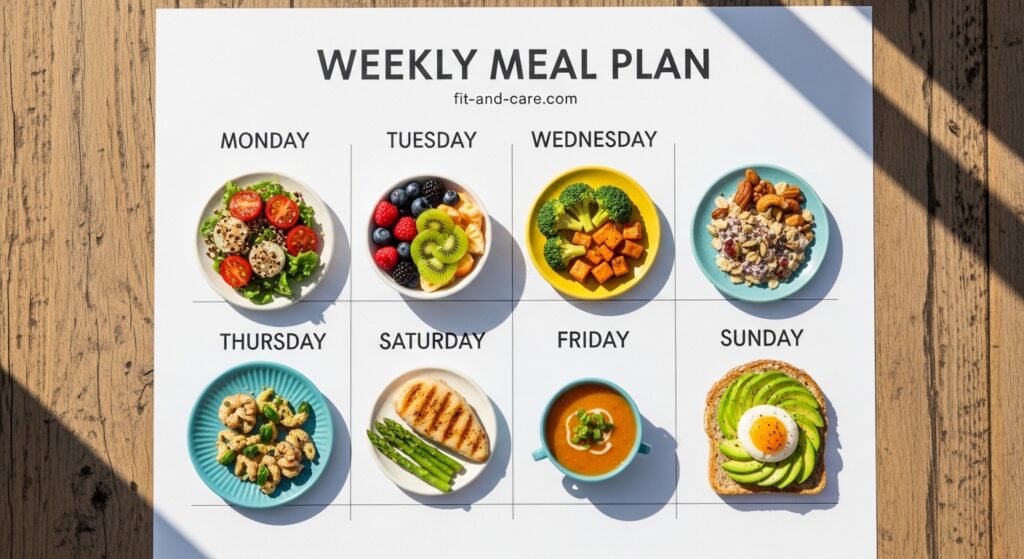
Day 1 (Monday): Fresh Start
| Meal | Food | Calories |
| Breakfast | 2 scrambled eggs + 1 slice whole wheat toast + 1/2 avocado | ~380 kcal |
| Morning Snack | 1 medium apple + 1 tbsp almond butter | ~150 kcal |
| Lunch | Grilled chicken breast salad with mixed greens, cherry tomatoes, cucumber, olive oil & lemon dressing | ~420 kcal |
| Afternoon Snack | 1 cup low-fat Greek yogurt + a handful of blueberries | ~130 kcal |
| Dinner | Baked salmon (4 oz) + steamed broccoli + 1/2 cup brown rice | ~420 kcal |
| Daily Total | ~1,500 kcal |
Day 2 (Tuesday): Plant Power
| Meal | Food | Calories |
| Breakfast | Overnight oats (1/2 cup oats, 1 cup almond milk, chia seeds, banana slices) | ~360 kcal |
| Morning Snack | Small handful of mixed nuts (almonds, walnuts) | ~160 kcal |
| Lunch | Lentil soup (1.5 cups) + 1 whole grain pita bread | ~400 kcal |
| Afternoon Snack | Carrot and celery sticks + 2 tbsp hummus | ~100 kcal |
| Dinner | Stir-fried tofu (5 oz) with bell peppers, broccoli, snap peas, and 1/2 cup quinoa | ~480 kcal |
| Daily Total | ~1,500 kcal |
Day 3 (Wednesday): Midweek Reset
| Meal | Food | Calories |
| Breakfast | Green smoothie: spinach, banana, 1 tbsp peanut butter, almond milk, 1 scoop protein powder | ~380 kcal |
| Morning Snack | 1 hard-boiled egg + 5 whole grain crackers | ~140 kcal |
| Lunch | Turkey and veggie wrap (whole wheat tortilla, lean turkey, lettuce, tomato, mustard) | ~380 kcal |
| Afternoon Snack | 1 orange + 10 raw almonds | ~120 kcal |
| Dinner | Grilled shrimp (5 oz) + roasted sweet potato (medium) + sauteed spinach with garlic | ~480 kcal |
| Daily Total | ~1,500 kcal |
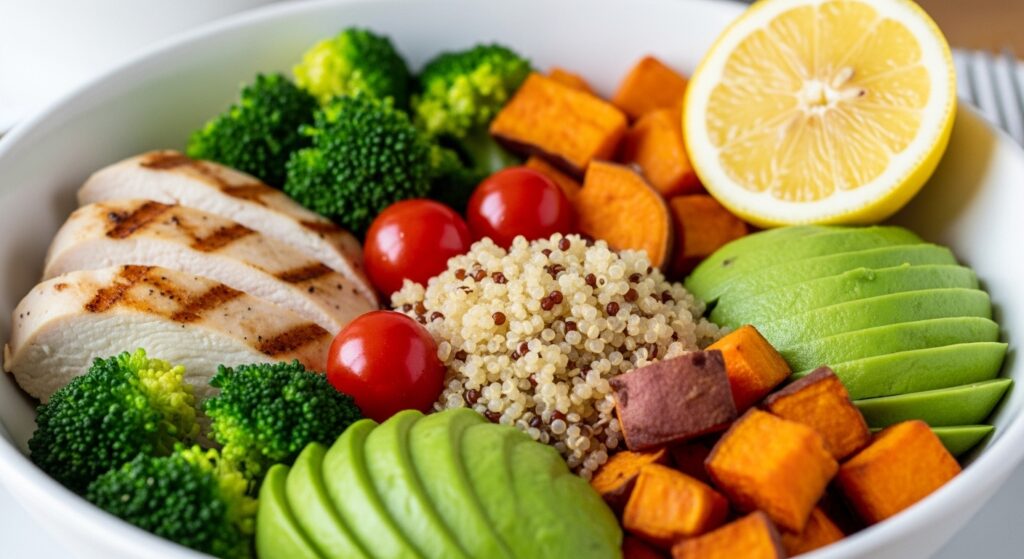
Day 4 (Thursday): Comfort & Nutrition
| Meal | Food | Calories |
| Breakfast | Greek yogurt parfait: 1 cup plain Greek yogurt + granola (1/4 cup) + mixed berries | ~350 kcal |
| Morning Snack | 1 banana + 1 tbsp peanut butter | ~160 kcal |
| Lunch | Chickpea and spinach bowl with tahini dressing + 1/2 cup brown rice | ~430 kcal |
| Afternoon Snack | 1 cup cucumber slices + 2 tbsp tzatziki | ~80 kcal |
| Dinner | Chicken and vegetable soup (2 cups, homemade) + 1 slice whole-grain bread | ~480 kcal |
| Daily Total | ~1,500 kcal |
Day 5 (Friday): High-Protein Day
| Meal | Food | Calories |
| Breakfast | Veggie omelette: 3 egg whites, 1 whole egg, mushrooms, spinach, red pepper + 1 orange | ~320 kcal |
| Morning Snack | Protein shake (1 scoop whey protein + water or almond milk) | ~130 kcal |
| Lunch | Tuna salad (canned in water) with mixed greens, avocado, cherry tomatoes + olive oil dressing | ~400 kcal |
| Afternoon Snack | Celery sticks + 1.5 tbsp almond butter | ~120 kcal |
| Dinner | Lean beef stir-fry (4 oz) with zucchini, mushrooms, bell peppers, and 1/3 cup brown rice | ~530 kcal |
| Daily Total | ~1,500 kcal |
Day 6 (Saturday): Weekend Treat (Still Healthy)
| Meal | Food | Calories |
| Breakfast | Whole grain pancakes (2 medium) + fresh strawberries + 1 tbsp honey + black coffee | ~400 kcal |
| Morning Snack | 1 cup air-popped popcorn + a small handful of cashews | ~150 kcal |
| Lunch | Homemade black bean tacos (2 corn tortillas, black beans, salsa, shredded cabbage, lime) | ~420 kcal |
| Afternoon Snack | Fruit salad (melon, kiwi, grapes)—1 cup | ~80 kcal |
| Dinner | Baked cod (5oz) + roasted asparagus + cauliflower mash (1 cup) | ~450 kcal |
| Daily Total | ~1,500 kcal |
Day 7 (Sunday): Rest & Replenish
| Meal | Food | Calories |
| Breakfast | Smoothie bowl: blended frozen mango + banana + spinach, topped with granola and chia seeds | ~380 kcal |
| Morning Snack | 1 pear + 10 almonds | ~150 kcal |
| Lunch | Quinoa and roasted veggie bowl (zucchini, eggplant, cherry tomatoes) + feta cheese | ~430 kcal |
| Afternoon Snack | Low-fat cottage cheese (1/2 cup) + pineapple chunks | ~110 kcal |
| Dinner | Herb-roasted chicken thigh (skinless, 4 oz) + roasted brussels sprouts + 1/2 cup wild rice | ~430 kcal |
| Daily Total | ~1,500 kcal |
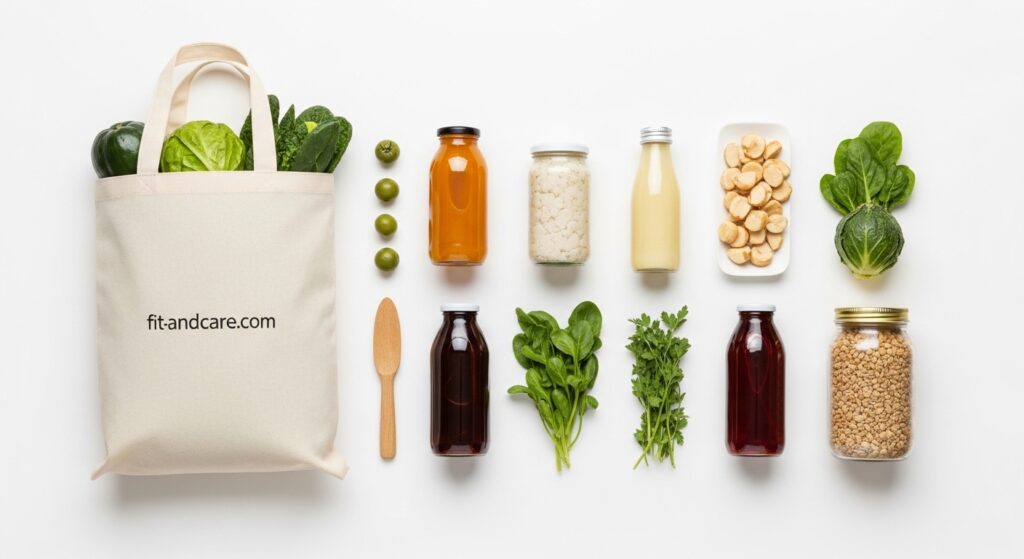
Weekly Grocery Shopping List
Planning is the key to sticking to your meal plan. Here is a comprehensive shopping list organized by category:
Proteins
- 1.5 lbs. of skinless chicken breast
- Two pieces of salmon fillets
- 1⁄2 a lb of shrimp
- 2 cans of canned tuna (in water)
- 1/2 lb of lean ground beef or steak
- 2 slices of cod fillets
- 1 dozen eggs
- A single unit of firm tofu
- Large container of plain, low-fat Greek yogurt
- 1 tiny container of cottage cheese
Vegetables & Fruits
- Two bags of mixed greens, kale, & spinach
- A head of broccoli, asparagus, & Brussels sprouts
- Mixed-colour bell peppers, mushrooms, & zucchini
- A pair of medium sweet potatoes
- A pint each of cherry tomatoes & cucumber
- Oranges, pears, bananas, and apples—two of each
- 1 cup each of fresh or frozen blueberries and strawberries
Grains & Pantry
- A single bag of brown rice
- A single bag of quinoa
- 1 loaf or 1 bag of whole-grain bread and tortillas
- A single bag of rolled oats
- One can eat each of the black beans and chickpeas
- One bag of green lentils
- One jar each of peanut butter and almond butter
- Garlic, lemon juice, and olive oil are pantry necessities.
Meal Prep Tips to Make This Plan Easy
What defines people who keep a good diet from people who give up by Wednesday is meal planning. Here are a few proven techniques:
On Sunday, cook proteins in mass by baking salmon, roasting chicken, and boiling eggs for the first of the week.
Pre-portion snacks by chopping vegetables, yogurt, and almonds into individual portions the night before.
Cook grain in bulk: prepare a large quantity of quinoa and brown rice to use all week.
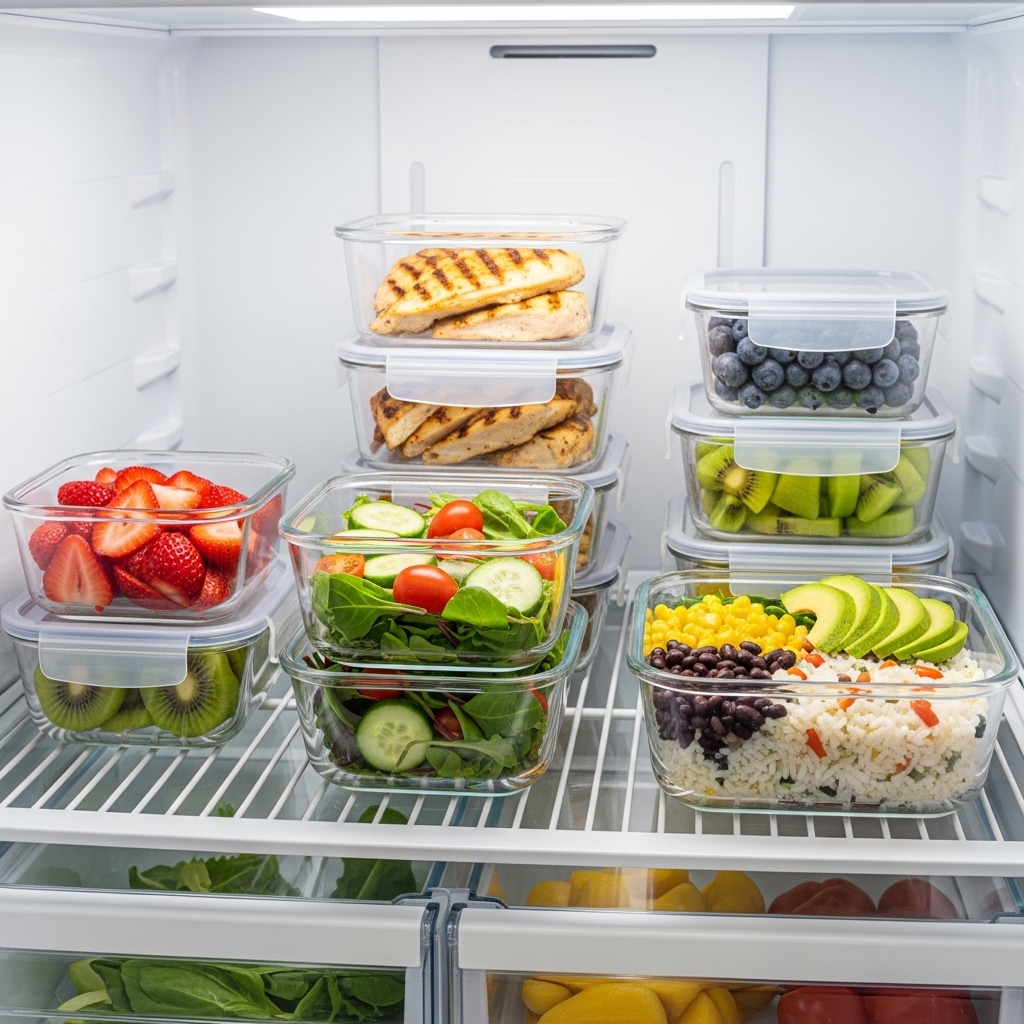
Store carefully by using glass containers for cooking meals and labelling each one with the name of the meal and the day.
Make dressings and sauces: create a week’s supply of tahini sauce or olive oil and lemon dressing at once.
Use your freezer: if you want to lower the amount of cooking you do each day, freeze the dinners from days 5 to 7.
Hydration, Supplements & Lifestyle Tips
A calorie-controlled diet delivers the best results when paired with healthy lifestyle habits. Here are evidence-based tips:
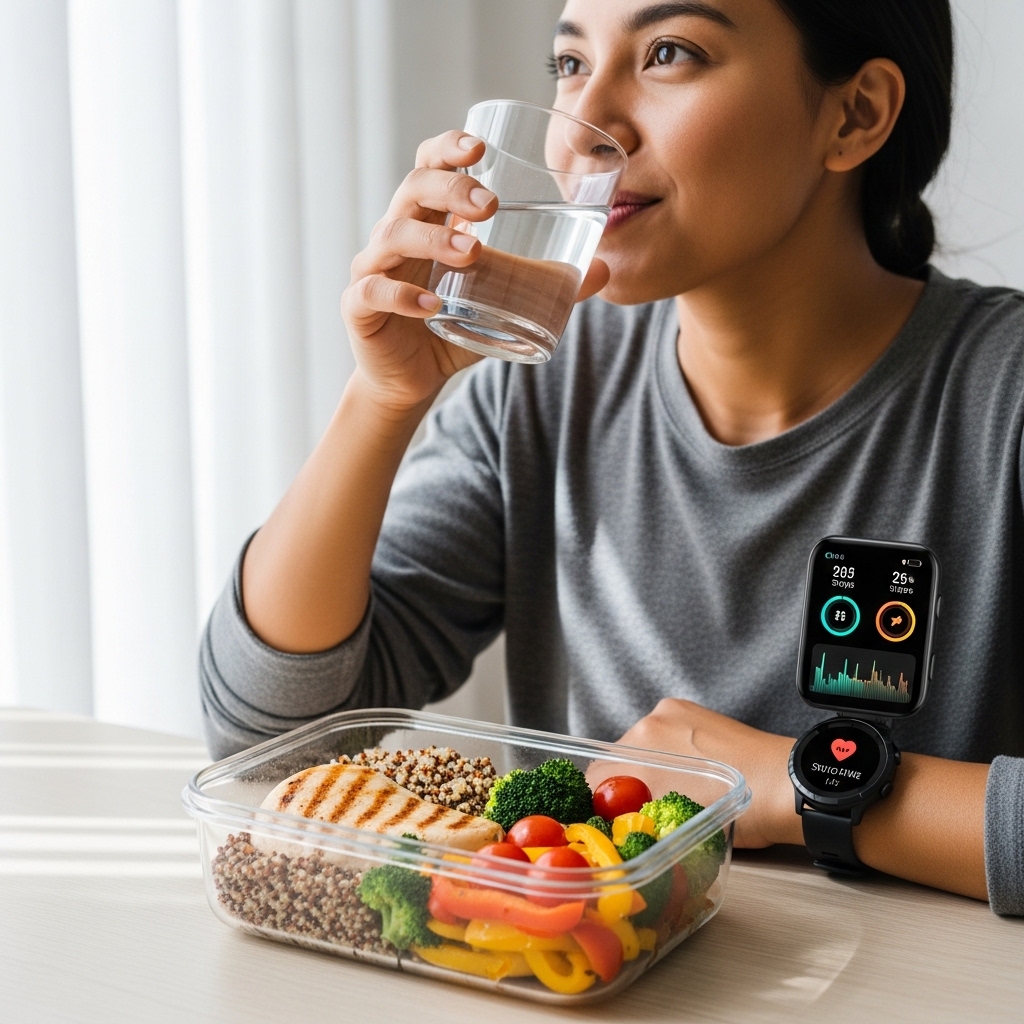
- Drink a maximum of 8 glasses (2 liters) of water daily. According to a study published in the Journal of Clinical Endocrinology & Metabolism, water boosts metabolism by up to 30% and decreases hunger for 1.5 hours after intake.
- Limit the amount of liquid calories by keeping free of alcohol, sodas, and sweet drinks. Just drink water, green tea, black coffee, or herbal tea.
- Add movement: as per CDC guidelines, try to get in 150 minutes a week of moderate exercise, like swimming, cycling, or brisk walking.
- Give sleep a top priority. Sleeping under seven hours a night is linked with greater levels of the hunger hormone ghrelin, which leads to increased appetite and weight gain.
- Manage stress: Chronic stress elevates cortisol, which leads to desires for comfort foods high in calories and sugar.
Frequently Asked Questions (FAQ)
The following questions are optimized for Google’s Featured Snippets and People Also Ask (PAA) section.
Q1: Is 1,500 calories enough to lose weight?
Yes, for most adults, a 1,500-calorie daily intake creates a moderate calorie deficit of approximately 500-700 calories below maintenance levels. This supports a steady fat loss rate of 0.5 to 1 pound per week, which is considered safe and sustainable by health authorities, including the CDC and the American Dietetic Association. Results vary based on your height, weight, age, and activity level.
Q2: Can I follow this meal plan if I’m a vegetarian or a vegan?
Absolutely. Most days in this plan can be easily adapted by replacing meat and fish with plant-based proteins such as lentils, chickpeas, tempeh, edamame, tofu, or seitan. Vegans should also ensure adequate intake of Vitamin B12, iron, calcium, and omega-3 fatty acids either through fortified foods or supplements.
Q3: Will I feel hungry on a 1,500-calorie diet?
This plan is specifically designed with high-fiber foods (vegetables, legumes, whole grains) and high-protein meals that promote satiety. Most people find they feel comfortably full throughout the day. If hunger persists, increase vegetable portions (which are very low in calories) or add a glass of water before each meal.
Q4: Can I exercise while on this meal plan?
Yes, and it is highly encouraged. Light to moderate exercise (walking, yoga, swimming) pairs well with a 1,500-calorie intake. If you engage in intense strength training or cardio more than 5 days per week, you may need to increase your calorie intake to 1,600-1,800 to support muscle recovery. Consult a registered dietitian for personalized guidance.
Conclusion: Your 7-Day Journey Starts Today
One of the most effective and scientifically proven ways of losing weight, increasing energy, and creating long-term healthy eating habits is a 7-day nutrient plan with less than 1,500 calories. You give your body exactly what it needs—no more nor less—by focusing on full foods, lean proteins, healthy fats, and vegetables and grains rich in fiber.
Consistency is key. Start with a week, track your feelings, and grow from there. Note that this is the basis of a better lifestyle, not a crash diet. For optimum effects, mix this strategy with regular exercise, enough hydration, and restful sleep.