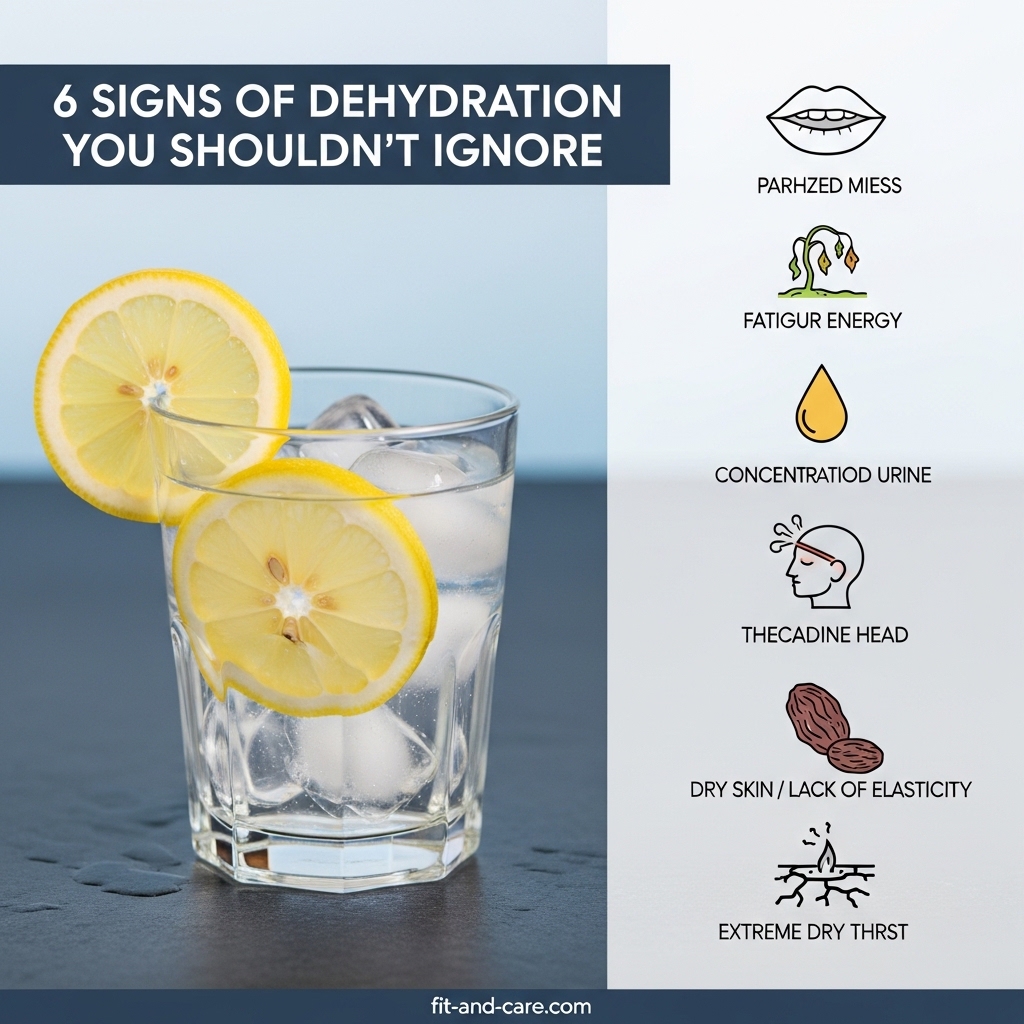
6 Signs of Dehydration You Shouldn’t Ignore

One of the simplest yet most ignored aspects of being healthy is staying hydrated. When your body needs water, most people assume you’ll feel thirsty, but in the real world, dehydration may occur without you realizing it.
Dehydration has more effects on your body than you might expect, ranging from light fatigue to severe health issues. The impacts may develop quickly if you’re working overtime, exercising, just relaxing in the sun, or just failing to drink enough water throughout the day.
We’ll discuss the early and serious signs of dehydration that you shouldn’t miss, how it affects specific demographics, and useful tips to ensure enough fluids every day in this detailed guide.

What Is Dehydration?
When the body loses more water than it takes in, you become thirsty. Since water makes up over 60% of your body, even a slight imbalance can interfere with normal bodily functions.
Water is crucial for:
- Regulating the body’s temperature
- Spreading nutrients
- Supporting digestion
- Maintaining levels of energy
- lubricating joints
These roles slow down or fail to function when your body doesn’t have enough fluids, which causes obvious symptoms.
Dehydration occurs when your body loses more fluids than it takes in. According to the Mayo Clinic, even mild dehydration can affect normal bodily functions and lead to symptoms such as fatigue and headaches.
Common Causes of Dehydration
Poor drinking water
Sweating heavily due to heat or exercise
Illness (diarrhea, vomiting, fever)
A frequent use of alcohol or caffeine
Certain medications (diuretics)
You may avoid dehydration when it becomes a major issue by being mindful of its causes.
Early Signs of Dehydration
The early detection of dehydration prevents serious issues, even though the symptoms are frequently minor and easy to dismiss.
1. Thirst
Your body’s natural way of notifying you that it needs water is thirst. But relying only on thirst isn’t always enough, especially for the elderly or when doing physical activity.
Tips: Drink water often throughout the day rather than waiting until you are thirsty.
2. Dry Mouth and Lips
One of the first signs of dehydration is a sticky or dry mouth. When levels of fluid are low, your body makes less saliva.
What to do: Rather than drinking a lot of water at once, sip it gradually and slowly.
3. Dark Yellow Urine
One of the simplest ways to assess your level of hydration is to look at the color of your urine.
- Pale yellow: Hydrated
- Amber or dark yellow: Dehydrated
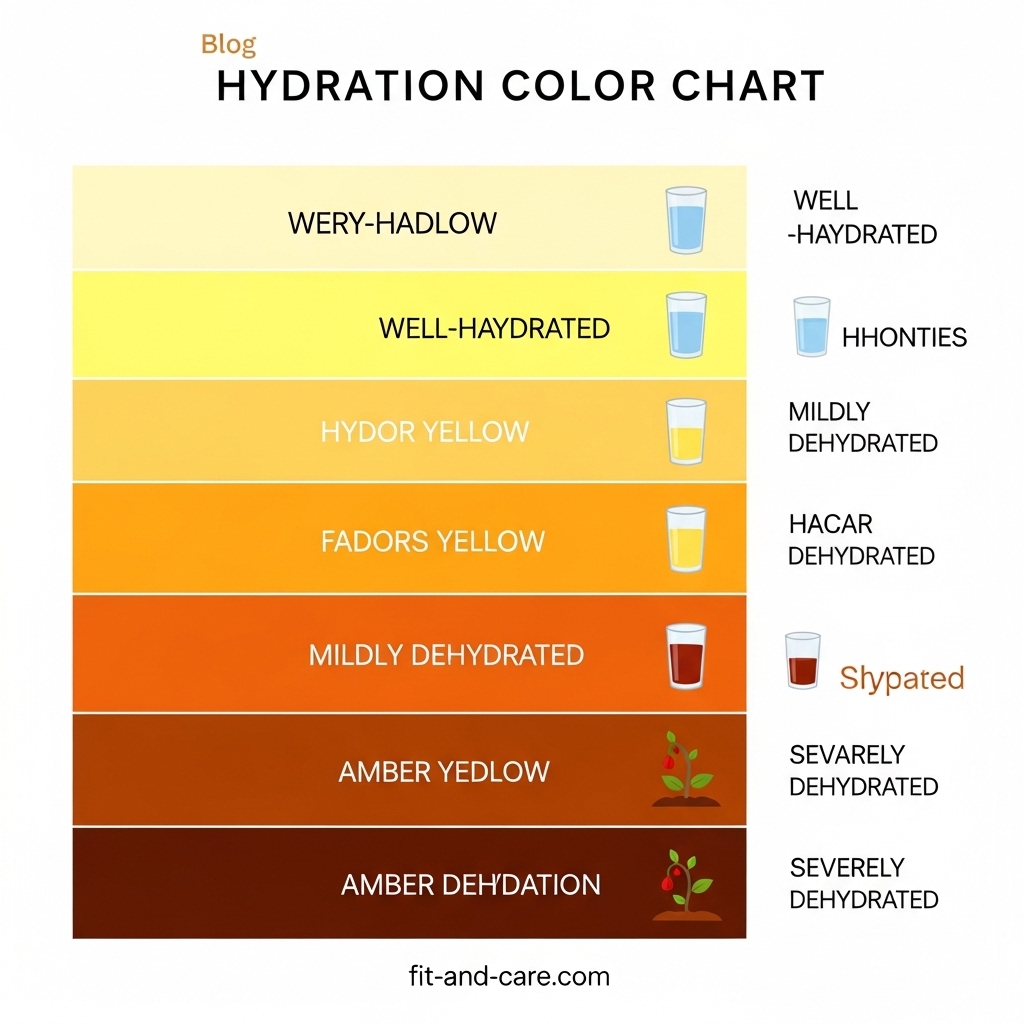
Tips: Light-colored urine suggests proper hydration.
4. Fatigue and Low Energy
Are you feeling especially tired or depressed? Your heart has to work harder to deliver nutrients and oxygen if you are dehydrated.
As a result, even with a lack of workouts, you feel tired.
5. Headaches
Headaches and even migraines are often caused by dehydration. Pain can result from your brain’s short circuit caused by fluid loss.
Quick fix: Rest and drink water; hydration helps a lot with dehydration headaches.
6. Dry Skin
Dehydration may lead your skin to look dull and lose its elasticity.
You can be dehydrated if you gently press your skin and it doesn’t bounce back quickly.
Serious Signs of Dehydration You Shouldn’t Ignore
If dehydration progresses, it can lead to more severe and potentially dangerous symptoms.
1. Dizziness or Lightheadedness
Your pulse may be dropping as a result of low fluid levels if you feel dizzy or unsteady.

2. Rapid Heartbeat
Your cardiovascular system may be more affected if your heart beats faster to make up for the lower blood volume.
3. Confusion or Irritability
Dehydration affects brain function, leading to:
- Difficulty concentrating
- Mood swings
- Confusion
This is especially dangerous in older adults.
4. Sunken Eyes
A physical sign of acute dehydration, especially in kids.
5. Little or No Urination
The body is storing water if you’re not peeing much or at all, which is a serious warning sign.
6. Fainting
Because of low blood pressure and diminished oxygen supply to the brain, severe dehydration can cause fainting.
When to Seek Medical Help
Seek medical attention ASAP if you experience:
- Persistent diarrhea or vomiting
- Disorientation or confusion
- Fast heartbeat
- 8 or more hours with no urinating
- Severe dizziness or fainting
If symptoms become severe, it’s important to seek medical attention. Health experts at the Mayo Clinic recommend immediate care if dehydration leads to confusion, fainting, or rapid heartbeat.
Dehydration Symptoms in Different Groups
Dehydration strikes everyone differently. Certain populations require extra attention because they are more vulnerable.
1. Children and Infants
Children are especially vulnerable to dehydration when ill.
Signs to be watchful of:
- Crying without shedding tears
- Mouth dry
- Sunken soft spot in newborns
- A smaller number of wet diapers
2. Older Adults
Older adults are more prone to dehydration since they often have a lower level of thirst.
Common signs:
- Confusion
- fatigue
- Moodiness
- Urinary issues
3. Athletes and Active Individuals
Exhaling increases the level of fluid lost during exercise.
Signs of dehydration during exercise:
- Cramps in muscles
- Weakness
- Reduced performance
- Sweating excessively or not at all
How Dehydration Affects Your Body
Dehydration doesn’t just make you feel thirsty—it impacts multiple systems in your body.
1. Brain Function
Even mild dehydration can impair the following:
- Memory
- Focus
- Mood
You may feel foggy, irritable, or less productive.
2. Digestive System
Lack of water slows digestion and can lead to:
- Constipation
- Acid reflux
3. Kidneys
Your kidneys rely on water to remove waste. Chronic dehydration can increase the risk of the following:
- Kidney stones
- Urinary tract infections
4. Heart and Circulation
Low fluid levels reduce blood volume, making your heart work harder and potentially causing the following:
- Low blood pressure
- Increased heart rate
How to Prevent Dehydration
It is always better to prevent it rather than cure it. Here are a few helpful and effective ways for maintaining hydration:
1. Drink Water Regularly
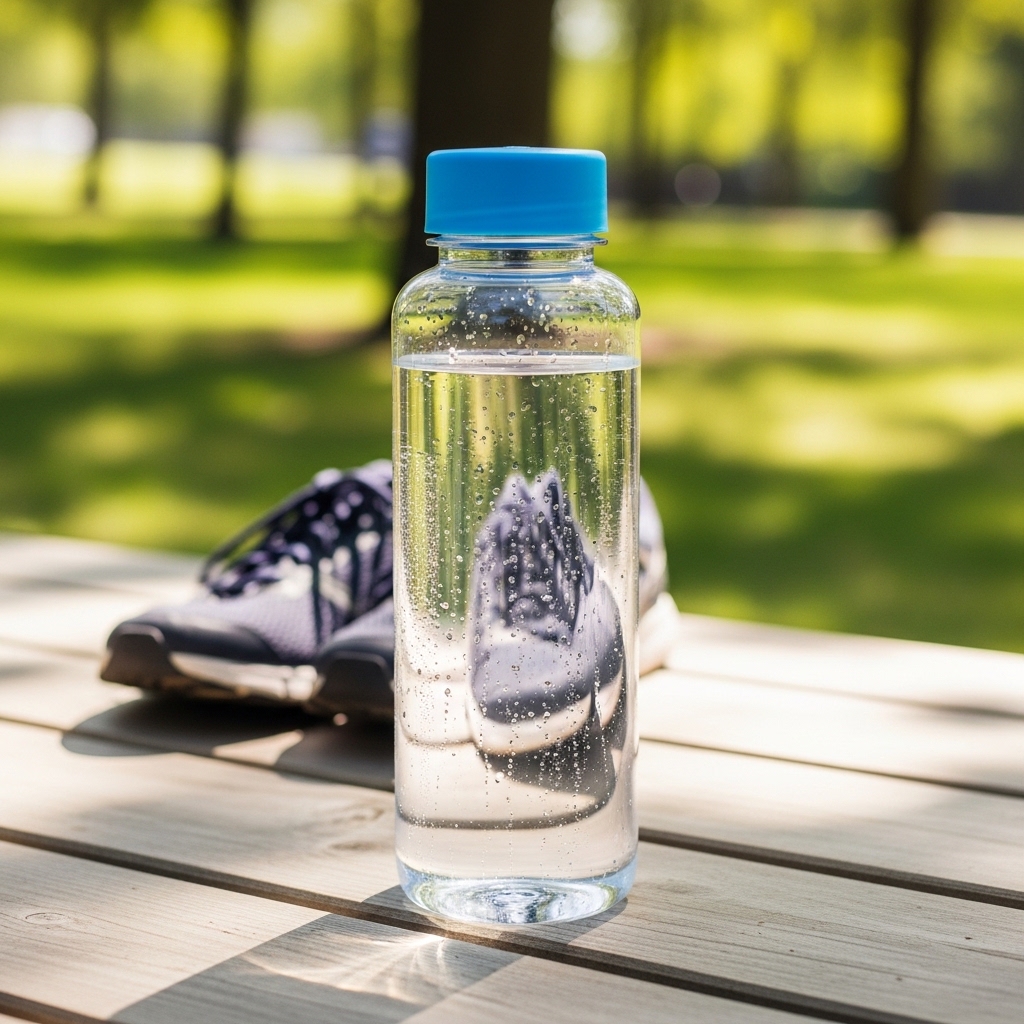
Don’t hold off till you’re thirsty. Establish the habit of hydration all day long.
General rule:
- 8–10 glasses a day, based on how active you are
2. Eat Water-Rich Foods
A lot of foods contain a lot of water, like the following:

- Oranges,
- Strawberries,
- Cucumbers,
- Watermelon
- Lettuce
3. Set Hydration Reminders
Use apps or alarms to remind yourself to drink water, especially if you’re busy.
4. Carry a Water Bottle
Having water easily accessible increases your chances of staying hydrated.
5. Adjust for Weather and Activity
- Drink more in hot weather
- Increase intake during exercise
6. Limit Dehydrating Drinks
Reduce intake of:
- Alcohol
- Caffeine
- Sugary drinks
Daily Hydration Tips That Actually Work
- Have a glass of water right away in the day.
- Before every meal, have a drink.
- Keep a bottle on your desk.
- If you’re bored, add some lemon or mint to your water.
- Keep track of your dietary intake.
Quick Hydration Checklist
Use this checklist daily:
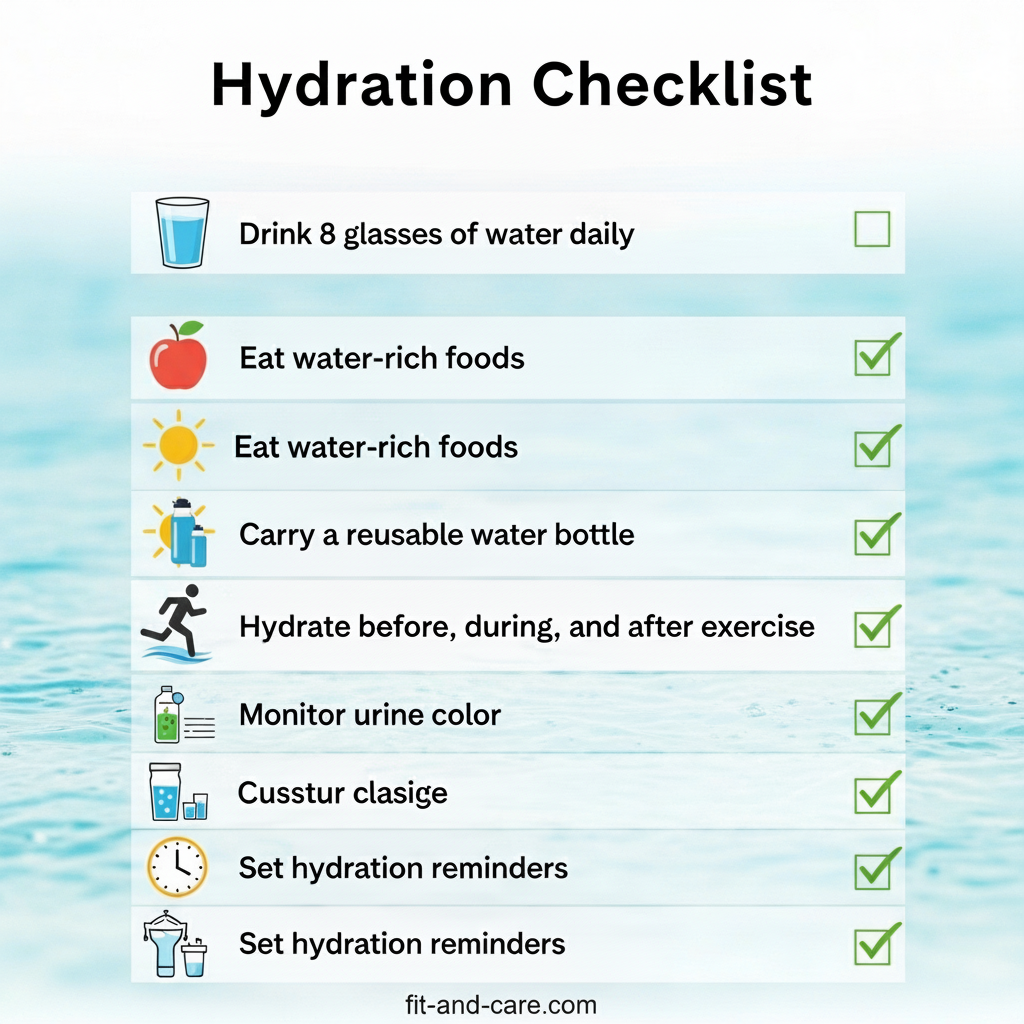
- ✔️ Did I drink at least 8 glasses of water?
- ✔️ Is my urine light yellow?
- ✔️ Did I drink extra fluids after exercise?
- ✔️ Did I eat water-rich foods?
- ✔️ Did I avoid too much caffeine or soda
Conclusion
Most people are aware of how common and dangerous dehydration is. It’s easy to ignore the early signs, such as headaches and fatigue, but if you ignore them, they can quickly grow into serious health issues.
You could protect your health, boost your energy, and prevent issues by being aware of your body and developing simple hydration habits.
Keep in mind that drinking water when you’re thirsty isn’t just one way to stay hydrated; you also must build hydration into your daily life.
If you’re unsure about your daily intake, check our guide on how much water you should drink per day
Start right now. Your body will enjoy it.
Reviewed by Rizwan Aftab Ahmad, Registered Dietitian. This content is for educational purposes only and is not medical advice.
Hamza Ahmad is a dedicated fitness and health researcher and the founder of Fit and Care. He specializes in translating evidence-based health science into practical, accessible guidance on nutrition, fitness, and wellness.