AI Nutrition Analysis vs. Nutritionists
Introduction
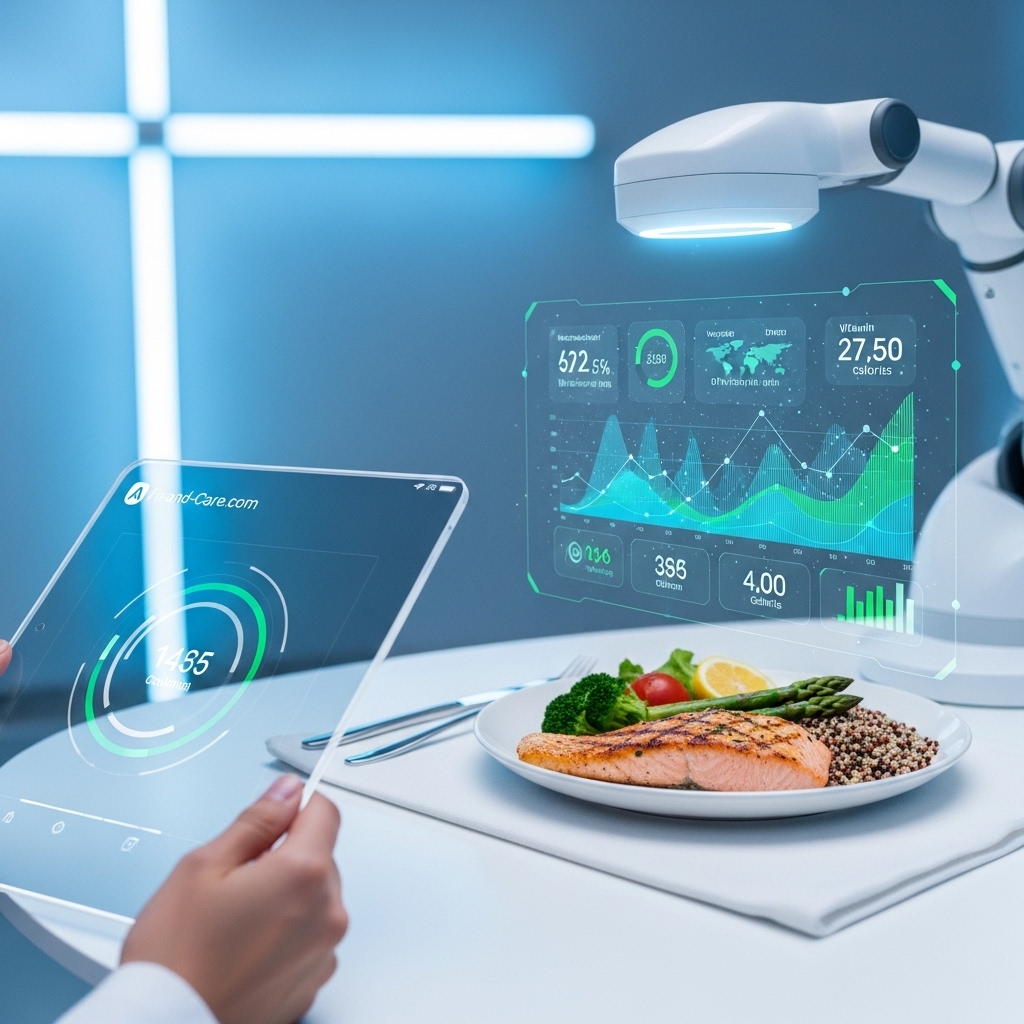
Many sectors, including healthcare and nutrition, have been revolutionized by artificial intelligence. Today, a lot of people depend on AI-powered nutrition apps to track calories, analyze their food intake, and build diet plans. These items are helpful for those trying to improve their health since they offer immediate information and simple diet tracking. This development has led to increasing discussion about AI nutrition analysis compared to human nutritionists.
Yet for decades, professional nutritionists have been using evidence-based diet planning and specific advice to help people lead healthier lives. Experts with experience in fields like dietetics and nutrition science offer specific guidance that takes long-term health goals, lifestyle choices, and medical problems into account.
This begs the most important issue: Can AI nutrition analysis replace the role of nutritionists’ advice?
This article will go over the main distinctions between AI nutrition analysis and professional nutritionist advice, look at the pros and cons of each, and help you select a plan that best suits your health goals.
What Is AI Nutrition Analysis?
AI nutrition analysis analyzes eating habits and provides nutritional data using artificial intelligence and machine learning. To estimate calorie intake, nutrients, and dietary habits, these systems gather details from food databases, user inputs, and health data.
Many popular health apps utilize AI technology to make diet tracking easier. Examples may be of:
- MyFitnessPal
- Chronometer
- Lifesum
Users can scan food barcodes, record meals, and get real-time nutritional analysis with these products.
How AI Nutrition Apps Work
Typically, AI nutrition tools do the following:
- Food tracking: Users scan barcodes or enter them manually.
- Nutritional analysis: AI uses a nutrition database to compare food items.
- Calorie estimation: The system calculates nutrients and calories.
- Diet recommendations: Apps recommend meal plans or revisions.
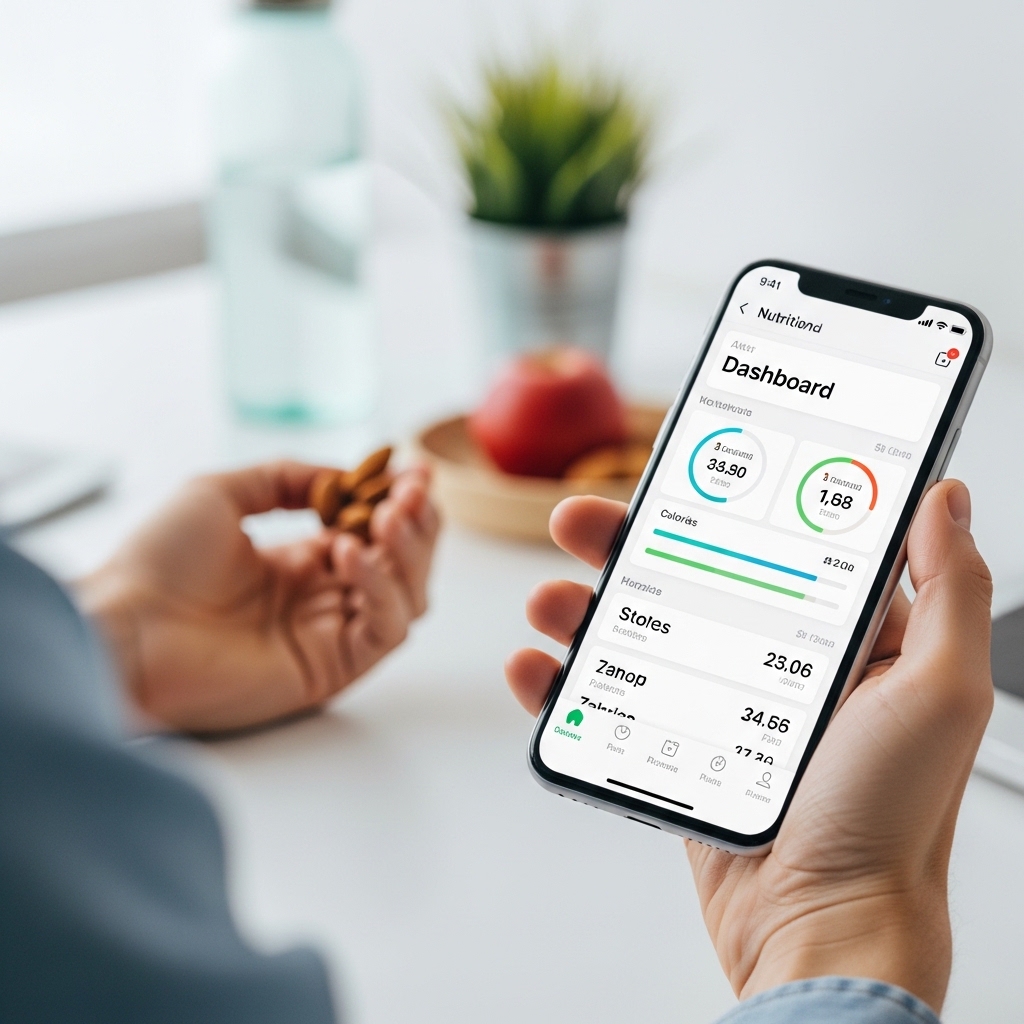
Users can maintain healthier diets and be aware of the foods they eat with the help of these built-in insights.
What Does a Professional Nutritionist Do?
A nutritionist is a professional who provides personalized suggestions for food based on each person’s specific medical needs.

In contrast to AI systems, nutritionists analyze a variety of factors, such as:
- Medical history
- Lifestyle habits
- Levels of physical activity
- Allergies to food
- A lack of food
Dietetic professionals often devise specific diet plans aimed at long-term health improvement, and that’s also proven by the Academy of Nutrition and Dietetics.
For example, rather than relying only on computer programs, those managing disorders like diabetes or obesity usually benefit from professional guidance.
AI tools can’t substitute the emotional help, behavior coaching, and motivation that nutritionists can offer.
AI Nutrition Analysis vs Nutritionist Advice
You may choose the finest solution for your health needs by staying mindful of the contrasts between AI systems and human nutrition experts.

| Feature | AI Nutrition Analysis | Nutritionist Advice |
|---|---|---|
| Personalization | Limited to algorithm rules | Highly personalized |
| Accuracy | Often free or low-cost | Based on expertise and medical knowledge |
| Cost | Often free or low cost | Usually paid consultation |
| Availability | 24/7 access | Scheduled appointments |
| Medical guidance | Limited | Comprehensive health guidance |
| Emotional support | None | Often free or low-cost |
While AI tools are convenient, nutritionists provide deeper insights and individualized care.
Benefits of AI Nutrition Analysis
AI nutrition apps are becoming more and more common since they provide lots of helpful advantages.
1. Convenience
Artificial intelligence (AI) allows users to use mobile devices to easily monitor their food intake.
2. Affordable Access
Many uses provide cheap or free nutritional tracking, making them accessible to a wide range of people.
3. Real-Time Insights
Instant data on vitamins, macronutrients, and calories is given to users.
4. Habit Tracking
Regular logging helps people become aware of how they eat.
AI tools can be a good place to start for beginners attempting to track their diets.
Limitations of AI Nutrition Apps
Despite their advantages, AI nutrition tools have important limitations.
Lack of Personal Context
As AI algorithms rely on human data, they’re unlikely to fully understand lifestyle elements like sleep, stress, or emotional eating.
Limited Medical Understanding
Health conditions cannot be detected or treated by AI apps. Persons with chronic illnesses should always seek professional advice.
Risk of Incorrect Data
Nutritional calculations may be subject to errors found in food databases.
Generic Recommendations
AI advice often depends on general guidelines rather than precise health conditions.
Because of these limitations, AI tools should not replace professional healthcare advice.
Advantages of Getting Advice from Nutritionists
Nutritionists provide comprehensive and personalized guidance that AI tools cannot fully replicate.
Personalized Diet Plans
Experts create customized plans based on medical conditions, age, lifestyle, and goals.
Medical Knowledge
Nutritionists may alter diet plans in line with an awareness of how nutrition affects various health problems.
Behavioral Coaching
It may be difficult to modify eating patterns. Nutritionists offer emotional support, accountability, and creativity.
Long-Term Health Planning
Professionals emphasize lasting lifestyle changes over acute changes to diets.
Can AI Replace Nutritionists?
AI can’t entirely replace nutritionists, to put it simply.
While AI nutrition devices are good for tracking diets and giving fast insights, they need the human understanding necessary for customized healthcare.
Mixing AI tools with qualified guidance is often the most effective strategy.
For example:
- Track daily meals in AI apps
- For customized food planning, talk with a nutritionist.
People can gain from both professional expertise and technology thanks to this hybrid approach.
When Should You Use AI Nutrition Apps?
AI nutrition tools are effective in plenty of situations:
- Checking daily caloric intake
- Keeping an eye on macronutrients
- Building better eating habits
- Setting basic weight-loss goals
Those who want rapid insights into their meals may find these tools very useful.
When Should You Consult a Nutritionist?
When facing difficult medical issues, expert advice is crucial.
A nutritionist should be visited if you
- A lack of long-term illnesses
- Have digestive problems
- Need a unique diet plan
- Want to make long-term changes to lifestyles
Experts can offer advice that takes a complete health profile into view.
Conclusion
Diet tracking is now easier to do and easier to find than ever due to AI nutrition analysis. Artificial intelligence mobile apps can quickly assess meals, compute calorie intake, and give nutrient suggestions.
However, the tailored care, medical knowledge, and behavioral support professional nutritionists offer are things that technology cannot fully replicate.
AI tools are great for daily tracking, but they should be used in place of expert guidance, not instead of it.
For ideal results, people may achieve long-term health and healthier lifestyles by integrating AI nutrition apps with expert advice.
“You can also explore our guide on AI fitness apps vs. traditional workouts.”