Healthy Snacks Under 100 Calories
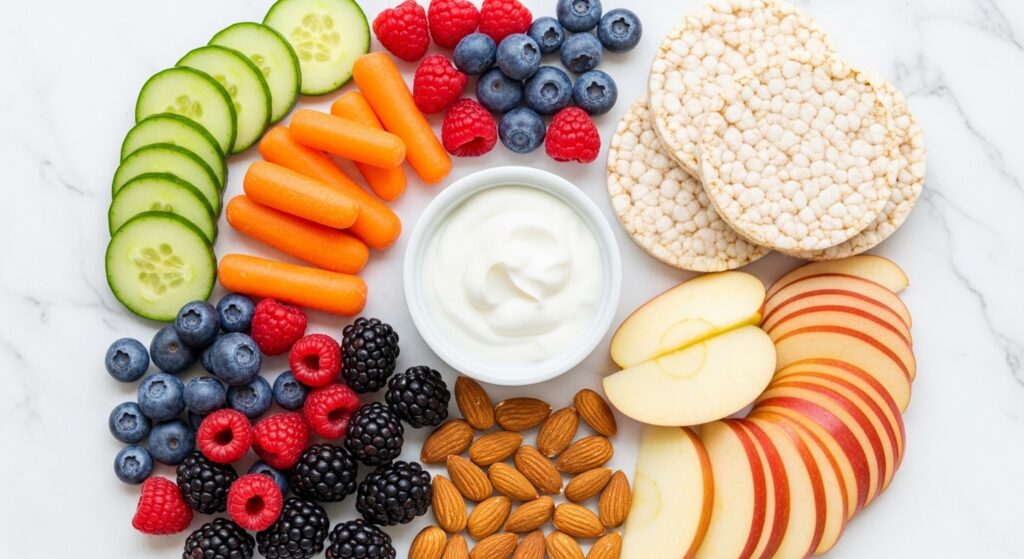
Hunger hits, and it strikes hard—in between meals. The biscuit tin on the office desk makes a wink at you, the vending machine calls out your name, and before you know it, you’ve spent your daily calories on a snack you rarely even like. Does that sound familiar?
The good news is that snacking is not bad. In fact, smart diets can help you lose weight, manage your blood sugar, and keep stable energy levels all day. The trick? choosing snacks that are filling, nutritious, and, above all, not more than 100 calories.
We’ve compiled a list of the 25 best healthy snacks under 100 calories, tested by nutrition science and approved by nutritionists. All these options will keep you focused and guilt-free whether you’re at home, in the office, or on the go.
Why 100 Calories Is the Magic Number for Snacking
To fill the gap between meals without affecting your daily food intake, dietitians and nutritionists usually recommend keeping snacks in the 100–150 calorie range. A snack of 100 calories is enough to
- Limit the hunger and prevent overeating at your next meal.
- Offer a fast energy boost without boosting blood sugar values.
- Give your body the micronutrients it needs in between meals.
- Maintain an active metabolism all day.
The Harvard T.H. Chan School of Public Health claims that choosing nutrient-dense snacks over junk foods reduces the chance of getting chronic diseases and improves long-term weight stability. Choosing snacks with a high satiety index—foods high in fiber, protein, and good fats—can be vital.
The 25 Best Healthy Snacks Under 100 Calories
Fruit-Based Snacks
Fruit, which is tasty, refreshing, and rich in vitamins, fiber, and antioxidants, is nature’s candy. All of these fruit-based options are less than 100 calories:
•1. Apple Slices (1 medium = ~95 cal): Rich in fiber and quercetin, apples offer hours of fullness. For added taste, add a pinch of cinnamon.
•2. Mixed Berries (1 cup = about 70 calories): Antioxidants and vitamin C occur in blueberries, strawberries, and raspberries. They’ve got plenty of volume for very few calories due to their high water content.
•3. Frozen Grapes (1 cup = ~60 cal): Freeze seedless grapes for a filling, ice cream-like snack that tastes rich but isn’t.
•4. Watermelon Chunks (2 cups = ~90 cal): One of the most delightful low-cal foods, watermelon has almost 90% water.
•5. Orange Segments (1 medium = ~62 cal): High in soluble fiber to aid in digestion, naturally sweet, and high in vitamin C.
Vegetable-Based Snacks
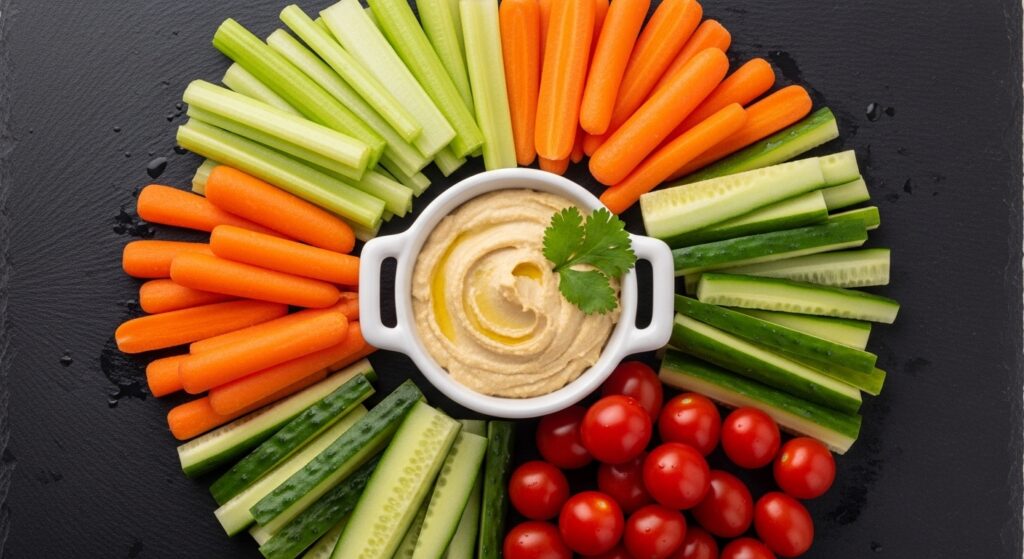
The best low-calorie snack is vegetables. Most contain the fiber, vitamins, and minerals that your body needs with fewer than 50 calories per cup.
•6. Baby Carrot: Crunchy, creamy, and nourishing baby carrots with hummus (10 carrots + a teaspoon of hummus = ~85 cal.). Protein, as well as fats, is mixed in with hummus.
•7. A typical mix of celery sticks and peanut butter. (2 stalks + 1 tsp PB = ~70 cal). The peanut butter offers celery its lasting energy, and it is basically calorie-free.
•8. Cucumber Slices with Cottage Cheese. (1 cup cucumber + 2 teaspoons cottage cheese = ~55 cal): The protein in the cottage cheese makes it light, flavorful, and surprisingly filling.
•9. Cherry tomatoes: Pop them like sweets (1 cup is equivalent to ~27 cal). Lycopene, an effective antioxidant related to a reduced risk of cancer, is high in cherry tomatoes.
•10. Edamame, an organic protein powerhouse (1/2 cup = ~95 cal). Edamame stands out among all plant foods in that it has all nine essential amino acids.
Protein-Packed Snacks
The most rewarding macronutrient is protein. Unlike carb-based options, these snacks quiet hunger far longer.
•11. A large hard-boiled egg (~78 cal) is a source of complete protein. Choline, which is essential for metabolism and brain functioning, is present in eggs.
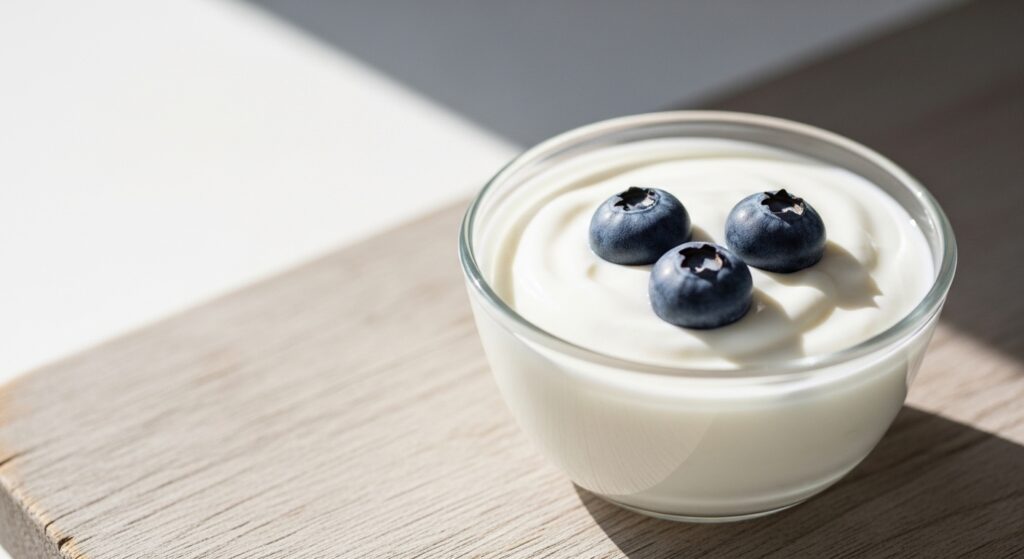
•12. Plain Greek Yogurt (100g = ~59 cal) — Choose unsweetened Greek yogurt for maximum protein and gut-friendly probiotics.
•13. Convenient, portable, and high in protein, string cheese (1 stick = roughly 80 kcal). A great option for kids as well as adults.
•14. Turkey Roll-Ups: Roll up small pieces of deli turkey for a protein increase with little time and effort (2 slices of turkey breast = ~60 cal).
•15. 1/2 cup low-fat cottage cheese (~90 kcal) is high in casein protein, which breaks down slowly and extends feelings of fullness.
Nuts and Seeds
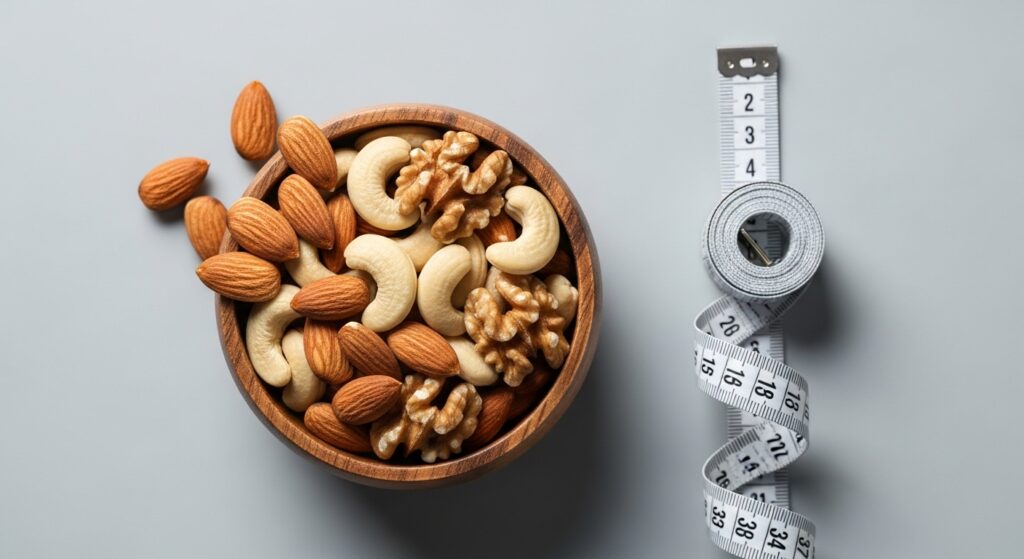
As nuts are full of calorie content, portion control is key. As measured correctly, they have a high level of dietary value with very few calories:
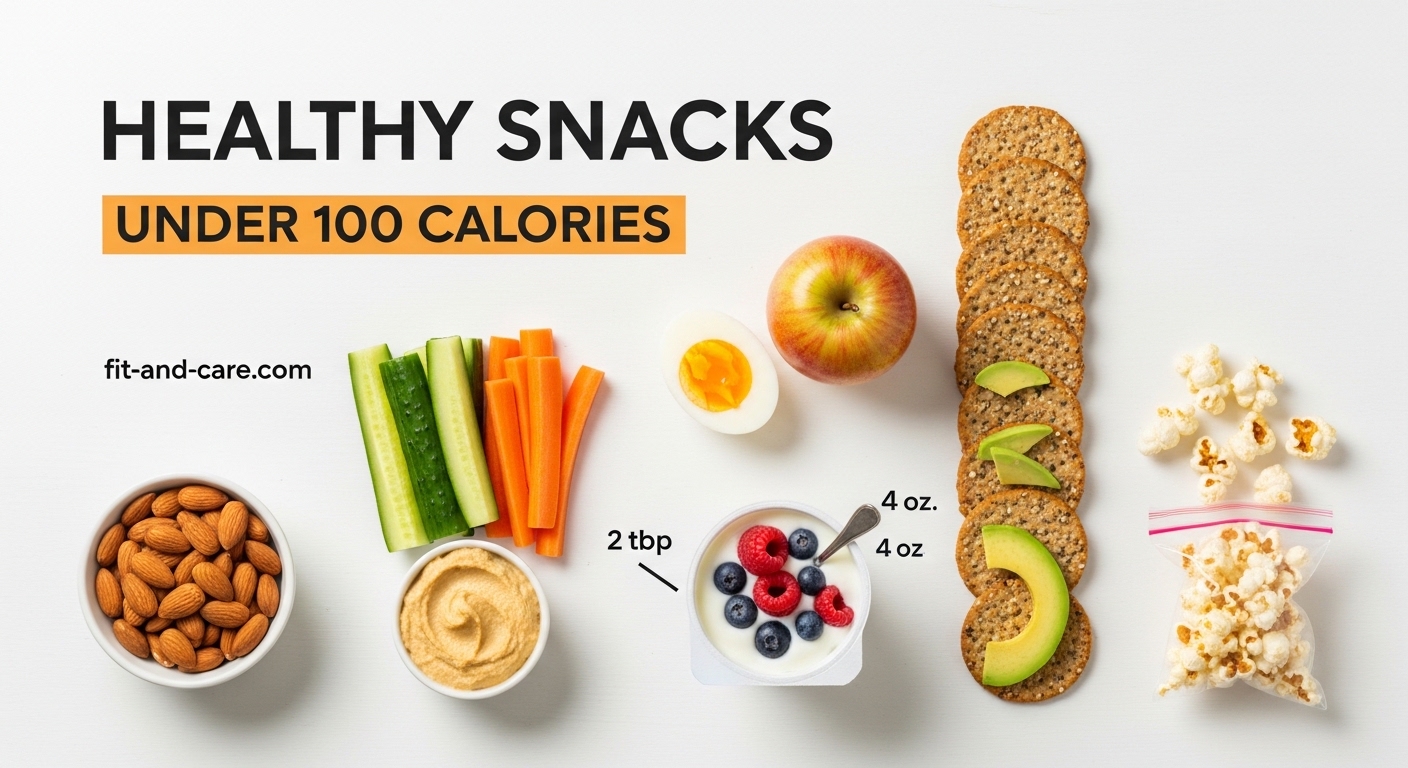
•16. Almonds: Rich with heart-healthy monounsaturated fats, vitamin E, and magnesium (12 almonds contain about 85 kcal). They improve cholesterol balance and reduce inflammation.
•17. Zinc, iron, and rich magnesium: pumpkin seeds (2 tbsp are about 70 kcal). One of the seeds with the best nutrient value is pumpkin.
•18. Sunflower seeds (2 tbsp = about 90 calories): Filled with vitamin E and selenium, these seeds have a lovely flavor that makes them feel rich.
•19. The only nut with high omega-3 fatty acids is the walnut (7 halves = ~93 cal). Great for reducing inflammation and improving brain health.
Whole-Grain and Crunchy Snacks
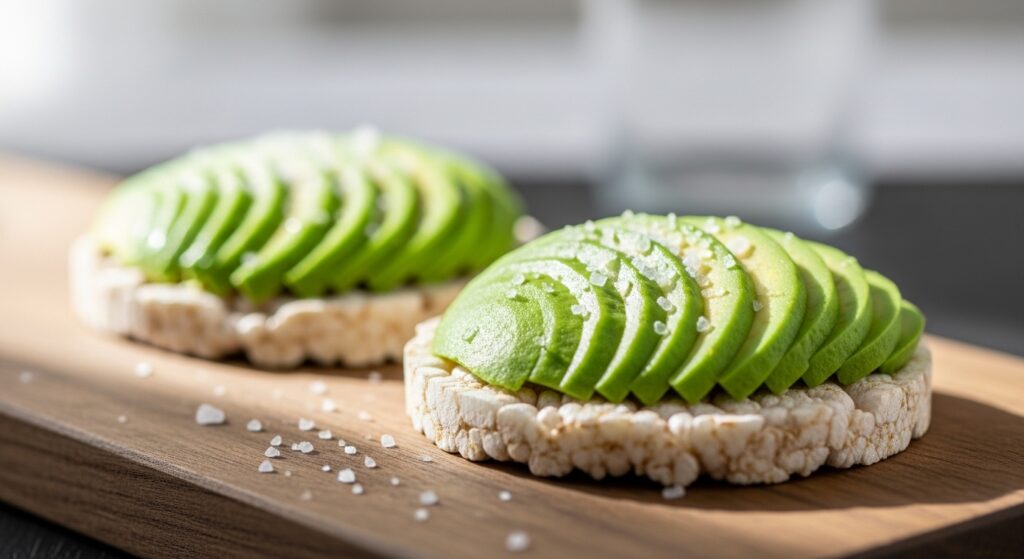
Keeping calories burned under 100, you do not have to offer up crunch. The need for texture is fulfilled by these whole-grain options:
•20. Plain Rice Cakes: Highly light and flexible (2 cakes = around 70 calories). Pour avocado or a little almond butter on top.
•21. Air-Popped Popcorn (3 cups = ~90 cal) is one of the world’s highest-volume, lowest-calorie snacks. To avoid the melted butter trap, choose air-popped.
•22. Oat Cracker with Avocado (3 crackers + 2 teaspoons avocado = ~95 cal): The mix of healthy fats from avocado and fiber from oats offers energy that lasts without a crash.
•23. Dark Cocoa (1 square, 70%+ cacao = ~50 cal)—Yes, in fact. A single square of quality dark chocolate perfectly meets sweet cravings while offering antioxidants.
Drink-Based Snacks
Sometimes what seems like hunger is actually a need for warmth or thirst. Surprisingly tasty are these liquid snacks:
•24. Bone Broth: High in minerals, glycine, and collagen (1 cup = ~40 cal). Savory, soothing, and surprisingly full in between meals.
•25. Protein Smoothie (small: a banana + 1 scoop powdered protein + water = ~95 cal) is a great way to fill the void when you need a bit more substance.
How to Build a Healthy Snacking Strategy
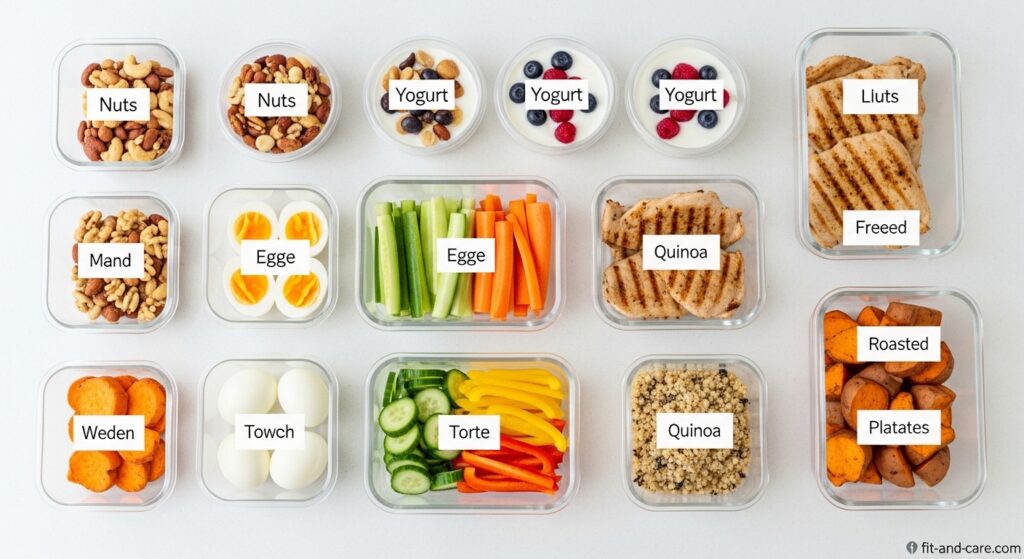
Knowing what to eat is only half the battle. Here’s how to make low-calorie snacking a sustainable, enjoyable habit
1. Plan and Prep in Advance
On Sunday, set aside 30 minutes to portion out your week’s snacks. Boil a couple of eggs; wash and slice vegetables; then measure nuts into small containers. You are much less likely to reach for junk food when healthy options are easy to find.
2. Time Your Snacks Strategically
When you are full, which is often 2 to 3 hours after a big meal, is the best time to have a snack. Avoid idle bites due to stress or boredom. One helpful rule is that you’re probably not truly hungry if you’re not hungry enough to eat an apple.
3. Read Nutrition Labels
All goods with a “100-calorie” label are made equal. A lot of 100-calorie food packs are highly processed and include a lot of refined sugar, artificial flavors, and sodium. Whole-food snacks must always be chosen over packaged ones.
4. Hydrate First
In the brain, signals linked to hunger and thirst overlap. Have a full glass of water and wait 10 minutes before having a snack. If the craving doesn’t go away, you’ll eat little of the snacks because you’re already somewhat satisfied.
5. Combine Macronutrients
The most satisfying snacks are the ones that contain fiber, protein, and healthy fats. For an hour, an apple by itself (fiber + carbs) will be enough. You will feel full for 3 hours if you combine it with 10 almonds (fat and protein). The secret weapon of savvy snackers is macronutrient balance.
The Bottom Line: Snack Smarter, Not Less
Snacking doesn’t have to be a source of guilt or confusion. With the right options, a 100-calorie snack can be truly satisfying, nutritious, and even delicious. The 25 snacks in this list prove that eating healthy between meals is not about deprivation — it’s about making smarter, more intentional choices.
Start by stocking your kitchen and office drawer with two or three of your favorites from this list. Build the habit slowly, plan, and remember: consistency beats perfection every single time.
Ready to take your healthy eating further? Check out our related guide: Top 10 Natural Electrolyte Foods — to see how low-calorie snacking fits into a complete weight-loss eating plan
Frequently Asked Questions (FAQ)
Q1: What are the healthiest snacks under 100 calories?
The healthiest snacks under 100 calories are those that combine protein, fiber, or healthy fats to maximize satiety. Top options include a hard-boiled egg (78 cal), 1 cup of mixed berries (70 cal), 12 almonds (85 cal), 3 cups of air-popped popcorn (90 cal), and plain Greek yogurt (59 cal per 100g). These snacks provide real nutritional value — not just empty calories.
Q2: Can I lose weight by eating snacks under 100 calories?
Yes. Strategic low-calorie snacking can support weight loss by preventing extreme hunger between meals, which often leads to overeating. Research published in the Journal of the Academy of Nutrition and Dietetics found that structured snacking helps maintain a calorie deficit without triggering binge episodes. The key is choosing whole-food snacks, not processed 100-calorie packs
Q3: What snacks are filling but low in calories?
The most filling low-calorie snacks are high in protein and fiber. Examples include edamame (95 cal, 8g protein), cottage cheese (90 cal, 14g protein), air-popped popcorn (90 cal, 4g fiber), hard-boiled eggs (78 cal, 6g protein), and celery with peanut butter (~70 cal). These options trigger satiety hormones and keep hunger at bay for 2-3 hours.
Q4: Are 100-calorie snack packs actually healthy?
Most commercial 100-calorie snack packs are not particularly healthy. While they control portions, they’re typically made from refined flour, sugar, artificial flavors, and preservatives. They satisfy briefly but do not provide sustained energy. Whole-food alternatives — like an apple, a boiled egg, or a handful of almonds — are nutritionally superior at the same or lower calorie count.