
10 Signs Your Body Needs More Nutrients

Although modern diets often seem nutritious, are they truly nutritious?
10 Signs Your Body Needs More Nutrients,
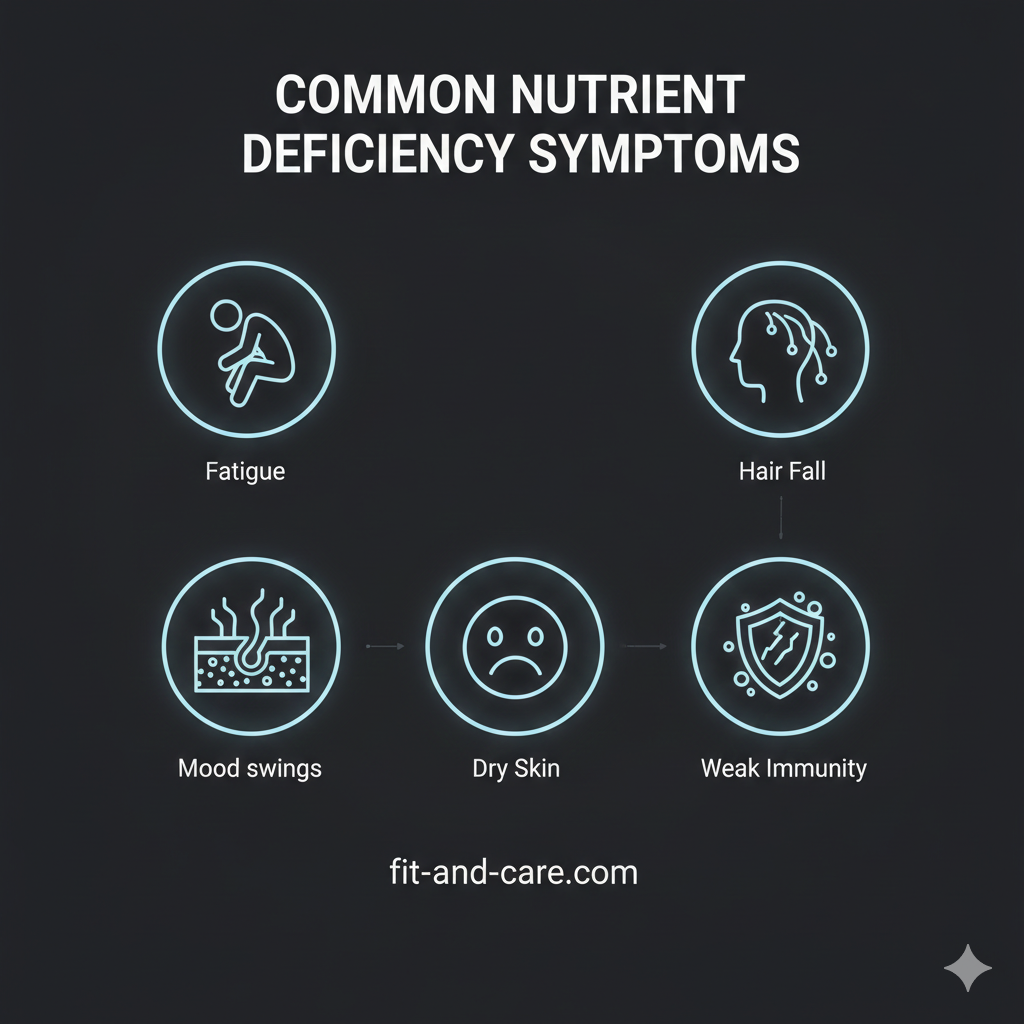
Many people eat three meals a day yet still struggle with constant fatigue, low immunity, hair fall, and unexplained mood changes. If this sounds familiar, the problem may not be how much food you’re eating, but whether your body is getting the nutrients it needs. Essential vitamins, minerals, protein, and healthy fats play a key role in energy levels, immune function, and overall well-being. When your body lacks these nutrients, it often sends warning signs you shouldn’t ignore.
Your body may be sending you warning signs if you feel “off” all the time without knowing why.
The most typical signs that your body needs more nutrients will be addressed in this article, as will possible reasons and natural ways to improve your diet.
Why Nutrients Are Essential for Your Body
Nutrients are the building blocks of life. They help your body:
- Produce energy
- Strengthen immunity
- Support brain function
- Maintain hormonal balance
- Repair tissues
- Keep skin, hair, and nails healthy
Deficiency of essential vitamins and minerals first manifests through very minor symptoms. It is not a good idea to disregard these early symptoms of vitamin deficiency because they can cause serious health issues.
According to the National Institutes of Health (NIH), essential vitamins and minerals play a critical role in energy production, immunity, and overall health
Let’s take a look at the most common signs of vitamin deficiency.
10 Signs Your Body Needs More Nutrients
1. Constant Fatigue and Low Energy
Even after 7 to 8 hours of sleep, do you still feel tired?

One of the most frequent signs that your body needs extra nutrients is persistent fatigue.
Possible limitations:
- Iron
- B12
- Vitamin D
- Magnesium
The red blood cells that supply oxygen are made with the help of iron and vitamin B12. If your oxygen circulation is poor, you could feel tired and weak.
What to Eat:
- Spinach
- Eggs
- Dairy products
- Lentils
- Sunlight exposure for Vitamin D
If fatigue continues for weeks, consider getting blood work done.
2. Frequent Illness or Weak Immunity
Are you at risk for colds?
Nutrient deficiencies may be detected by an immune system that is weakened.
Possible deficiencies:
- Vitamin C
- Zinc
- Vitamin D
Immune protection is greatly aided by these nutrients. Your body finds it difficult to combat infections without them.
What to Eat:
- Citrus fruits
- Pumpkin seeds
- Bell peppers
- Yogurt
- Nuts
Improving nutrient intake can naturally strengthen immunity over time.
3. Hair Fall or Brittle Hair
Excessive hair shedding may not just be stress—it could be poor nutrition.
Possible deficiencies:
- Protein
- Biotin
- Zinc
- Iron
Hair follicles need nutrients to grow. When your body lacks nutrients, hair growth slows down.
What to Eat:
- Eggs
- Leafy greens
- Chickpeas
- Greek yogurt
- Almonds
Balanced protein intake is especially important. You can explore our detailed guide on protein-rich foods for vegetarians to improve daily intake naturally.
4. Cracked Lips or Mouth Ulcers
Dry, cracked lips and frequent mouth sores are early signs that your body lacks nutrients.
Possible deficiencies:
- Iron
- Vitamin B2 (Riboflavin)
- Vitamin B3
- Vitamin B12
What to Eat:
- Whole grains
- Lean meats
- Milk
- Fortified cereals
- Eggs
This symptom is often overlooked but can indicate B-vitamin deficiency.
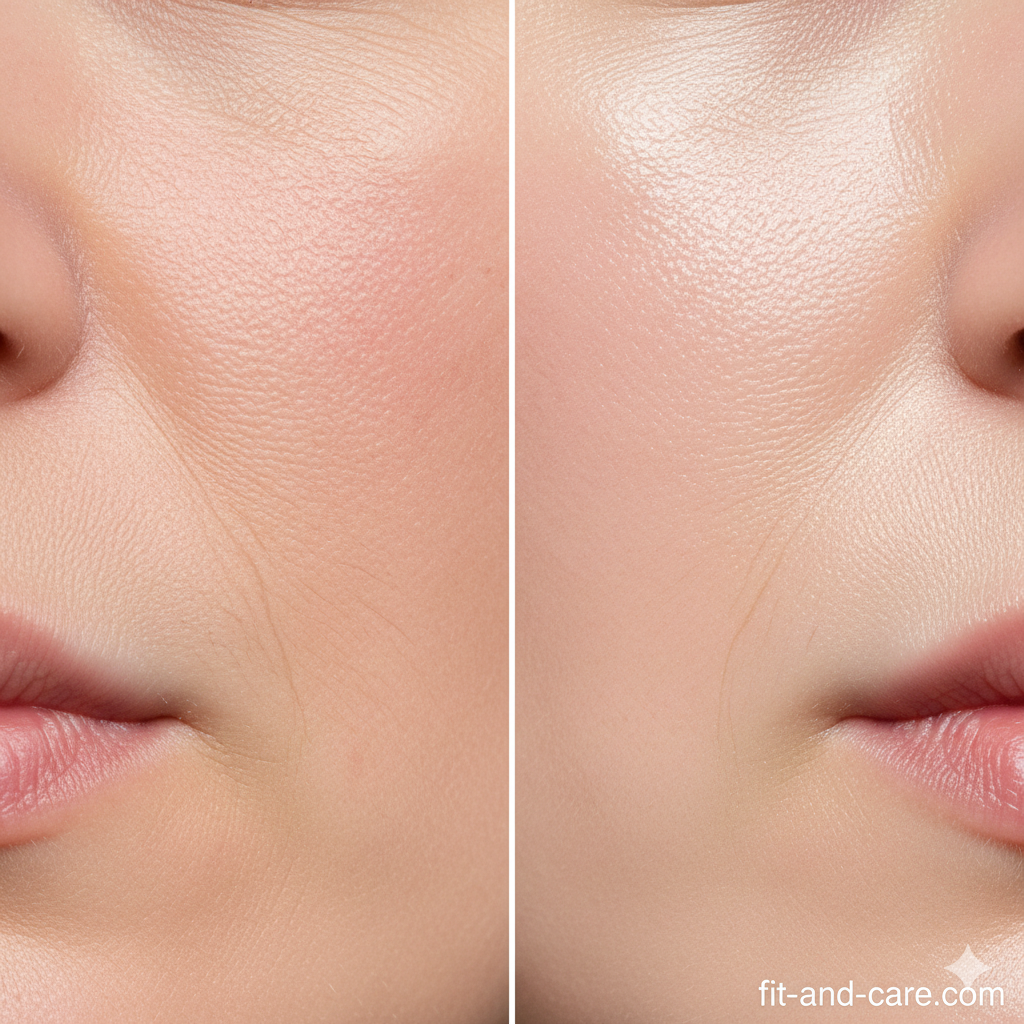
5. Dry, Flaky Skin
Healthy skin reflects internal nutrition.
If your skin feels flaky or extremely dry, it may signal the following:
Possible deficiencies:
- Vitamin A
- Vitamin E
- Omega-3 fatty acids
These nutrients help maintain skin hydration and repair.
What to Eat:
- Avocados
- Flaxseeds
- Carrots
- Sweet potatoes
- Walnuts
Hydration also plays a major role in skin health.
6. Slow Wound Healing
If small cuts take too long to heal, your body might need more nutrients.
Possible deficiencies:
- Vitamin C
- Protein
- Zinc
These nutrients are important for tissue repair and collagen production.
What to Eat:
- Oranges
- Seeds
- Beans
- Kiwi
- Chicken or plant-based protein sources
Delayed healing is one of the hidden signs of nutrient deficiency that many people ignore.
7. Muscle Cramps or Weakness
Frequent muscle cramps can indicate an electrolyte imbalance.
Possible deficiencies:
- Calcium
- Magnesium
- Potassium
These minerals regulate muscle contraction and nerve signals.
What to Eat:
- Bananas
- Dark chocolate (in moderation)
- Spinach
- Pumpkin seeds
- Yogurt
If cramps happen often, nutrition should be evaluated.
8. Brain Fog or Poor Focus
Difficulty concentrating may not always be stress-related.
Possible deficiencies:
- Vitamin B12
- Iron
- Omega-3 fatty acids
These nutrients support brain function and oxygen supply.
What to Eat:
- Chia seeds
- Eggs
- Fatty fish
- Lentils
- Walnuts
Improving diet quality often improves mental clarity.
9. Brittle Nails
Weak or splitting nails can reflect an internal nutrient imbalance.
Possible deficiencies:
- Biotin
- Iron
- Protein
Nails grow from protein structures. Without adequate intake, they become fragile.
What to Eat:
- Beans
- Eggs
- Seeds
- Nuts
- Lean protein sources
10. Mood Changes or Irritability
Mood swings can sometimes be linked to poor nutrition.
Possible deficiencies:
- B Vitamins
- Vitamin D
- Magnesium
These nutrients support nervous system function and hormone balance.
What to Eat:
- Nuts
- Seeds
- Leafy greens
- Whole grains
- Sun exposure
If mood symptoms persist, consult a healthcare professional.
How to Improve Nutrient Intake Naturally
Here are a few easy things to do if you see several signs that your body needs extra nutrients:

1. Eat a Balanced Plate
Set up:
- Source of protein
- Healthy fats
- Vegetables high in fiber
- Whole grains
2. Choose Whole Foods
Limit sugary snacks and processed foods.
3. Add Color to Your Plate
Nutrients are denoted by different colors.
4. Stay Hydrated
Water helps the absorption and circulation of nutrients.
5. Consider Testing
A physician can do tests for specific issues if symptoms are severe.
Who Is at Higher Risk of Nutrient Deficiency?
Some groups are more vulnerable:
- Vegetarians and vegans (B12 risk)
- Pregnant women
- Elderly individuals
- People with digestive disorders
- Individuals on restrictive diets
If you fall into these categories, monitor your nutrition carefully.
Can Supplements Help?
Your main source of nutrients should always be food.
However, supplements may be helpful if:
- Deficiency can be verified by a blood test.
- A doctor recommends them.
- Needs cannot be met by food alone.
Do not give a lot on your own without a doctor’s advice.
Quick Self-Check: Are You Getting Enough Nutrients?
Check this:
- Do I eat vegetables daily?
- Do I get enough protein in my meals?
- Am I in contact with sunlight?
- Do I usually feel energized?
- Do I have a few of the above symptoms?
Your body might need more nutrients if the answer to many items is “no.”
When to See a Doctor
See a doctor if you suffer from:
- Terrible fatigue
- Dizziness
- Hair loss that occurs quickly
- Persistent weakness
- Chronic digestive issues
A professional evaluation is important since nutrient shortages may at times mimic other health problems.
Final Thoughts
Your body is constantly talking to you. A weakened immune system, lack of concentration, dry skin, tiredness, and loss of hair are not just random signs; they can be symptoms of your body being deprived of nutrients.
Don’t brush off these signs. Instead, place your attention on raising the quality of your diet. Making minor changes like injecting more leafy greens, nuts, seeds, and protein-rich meals can make a huge difference.
Balanced eating will improve health, energy, and overall mood for years to come.
Be very attentive to your body. It is always giving you hints even before the illnesses become serious.
Reviewed by Rizwan Aftab Ahmad, Registered Dietitian. This content is for educational purposes only and is not medical advice.
Hamza Ahmad is a dedicated fitness and health researcher and the founder of Fit and Care. He specializes in translating evidence-based health science into practical, accessible guidance on nutrition, fitness, and wellness.


3 Comments