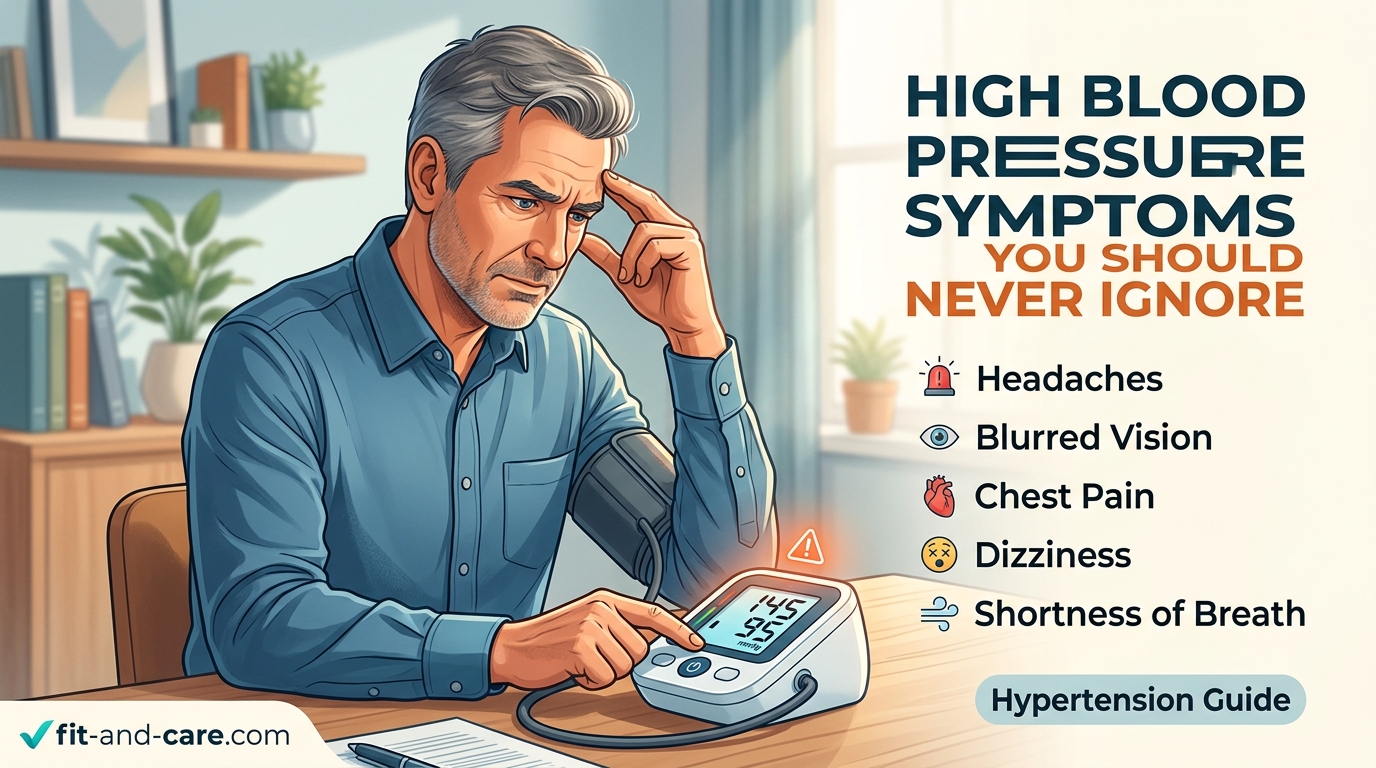
High Blood Pressure Symptoms You Should Never Ignore | Hypertension Guide

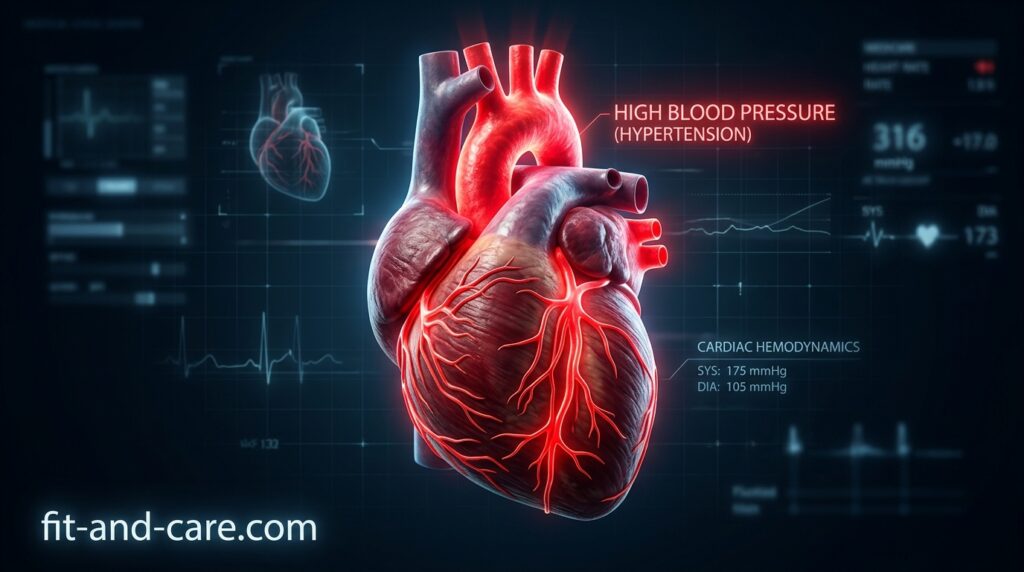
Over 1.28 billion adults worldwide have hypertension, also known as high blood pressure, though most of them are ignorant that they have it. Oft referred to as the “silent killer,” this illness may destroy your heart, kidneys, brain, and arteries without presenting any obvious signs for years. One of the most important things you can do to preserve your long-term health is to identify the subtle signs of high blood pressure.
You will learn everything you need to take charge of your cardiovascular health in this guide, including the hidden warning signs of hypertension, what causes it, how to track it at home, and when to seek quick medical attention.
What Are High Blood Pressure Symptoms (Hypertension)? — Key Facts
Blood pressure is the force your blood exerts against the walls of your arteries as your heart pumps. It is measured in millimeters of mercury (mmHg) and recorded as two numbers: systolic (pressure during a heartbeat) over diastolic (pressure between beats).
| Category | Systolic (mmHg) | Diastolic (mmHg) |
| Normal | Less than 120 | Less than 80 |
| Elevated | 120–129 | Less than 80 |
| Stage 1 hypertension | 130–139 | 80–89 |
| Stage 2 hypertension | 140 or higher | 90 or higher |
| Hypertensive Crisis | Higher than 180 | Higher than 120 |
According to the American Heart Association, blood pressure at or above 130/80 mmHg is classified as hypertension. Anything above 180/120 mmHg is a hypertensive crisis requiring emergency medical attention.
Why High Blood Pressure Is Called the ‘Silent Killer’
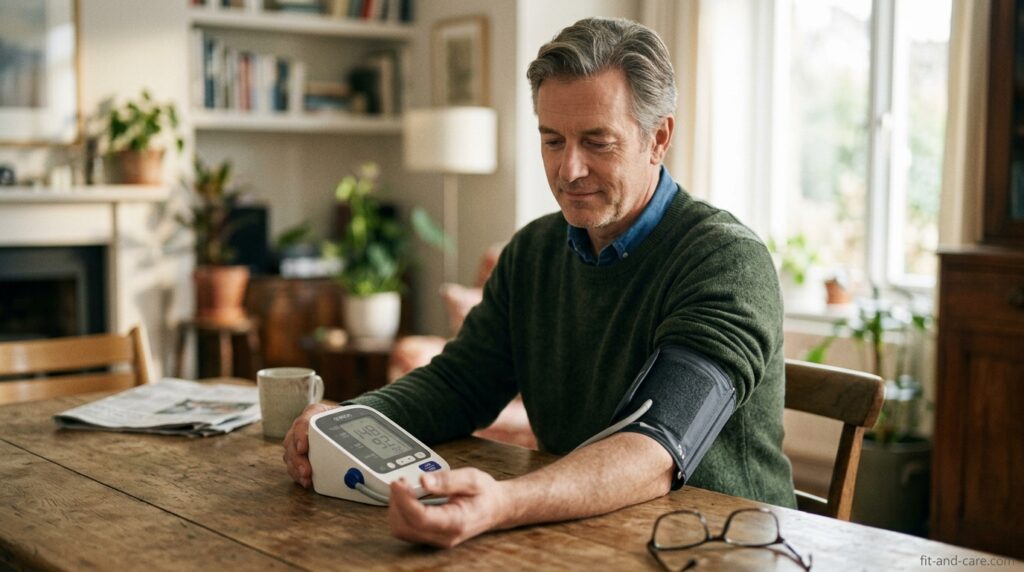
The most troubling aspect of hypertension is that, in its early stages, it at times shows no symptoms at all. A lot of people with high blood pressure have no issues at all. This is all that makes it so dangerous: in the lack of routine blood pressure control, an illness can slowly harm major organs for years without being caught.
Untreated hypertension can result in cumulative and lasting damage. Over time, high blood pressure affects the kidneys’ sensitive filtering units, strains and weakens the artery walls, makes the heart work harder than it should, and even causes microscopic harm to blood vessels in the brain and eyes.
7 Silent Symptoms of High Blood Pressure You Should Never Ignore
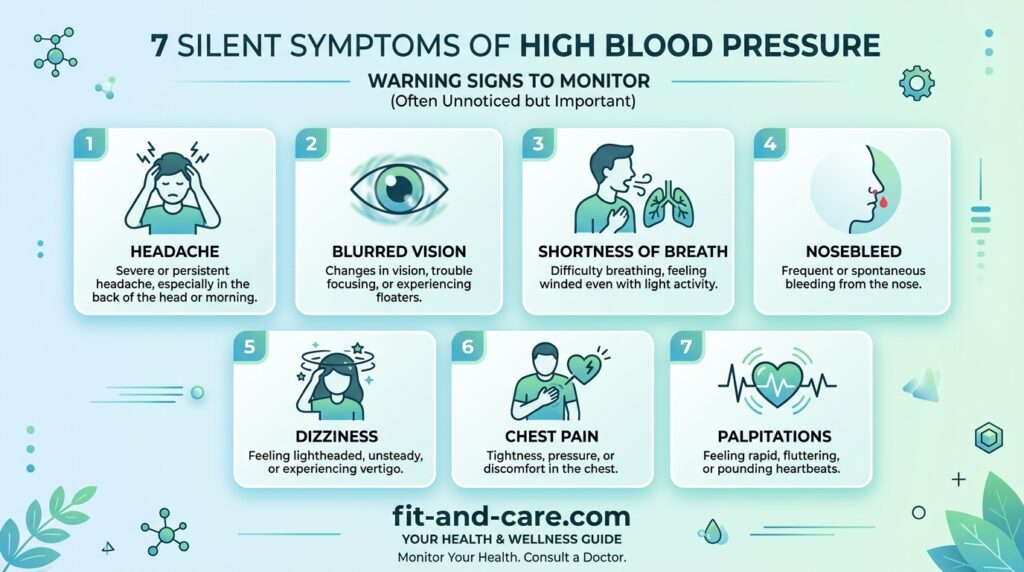
While hypertension is often symptom-free, certain subtle signs may appear—especially when blood pressure reaches dangerously high levels. Recognizing these warning signs early could save your life.
Persistent Headaches—Especially in the Morning
Frequent, dull, throbbing headaches, particularly in the back of the head while awake, could suggest significantly raised blood pressure. A headache that is new, serious, or accompanied by other symptoms should call for a blood pressure check, although most headaches aren’t brought on by hypertension.
Blurred or Impaired Vision
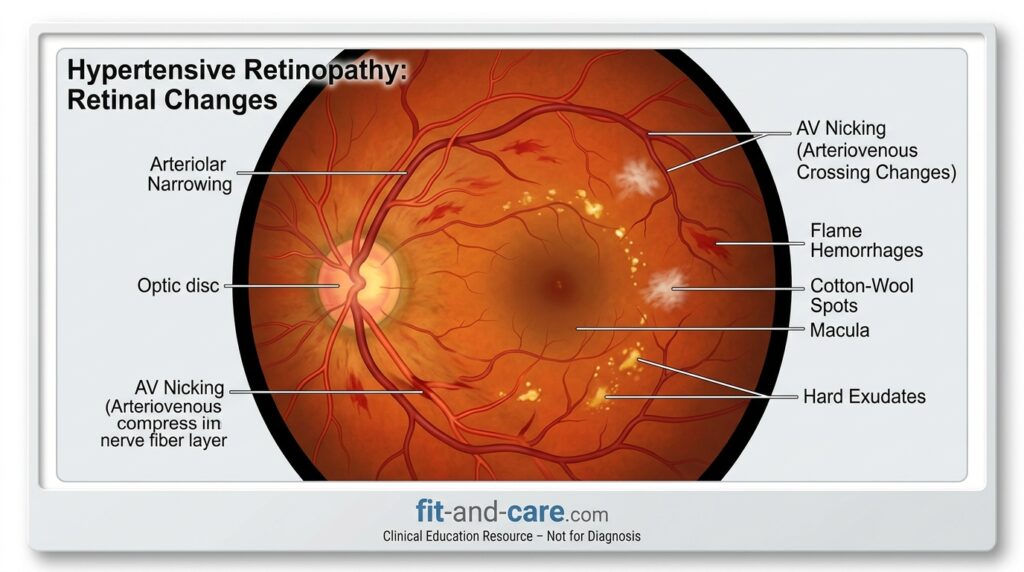
High blood pressure can damage the delicate blood vessels in the retina (the light-sensitive tissue at the back of the eye), a condition called hypertensive retinopathy. Symptoms include blurred vision, seeing spots or floaters, and, in severe cases, sudden vision loss. Your eye doctor can often detect signs of hypertension during a routine eye examination.
Shortness of Breath
Hypertensive heart disease is an illness in which the heart weakens and enlarges over time as a result of working against constantly high pressure. This can result in asthma attacks, difficulty climbing stairs, or fatigue after minimal exercise. Chest pain and shortness of breath should be treated as medical emergencies.
Nosebleeds (Epistaxis)
Nosebleeds are primarily benign. However, regular, unexplained nosebleeds may be a sign that your blood vessels are under significant stress, especially if they are followed by very high blood pressure. Nosebleeds by themselves are rarely an emergency, but ongoing bleeding should be examined by a doctor.
Dizziness and Lightheadedness
Sudden dizziness, a spinning sensation (vertigo), or loss of balance can be linked to fluctuating blood pressure. This can signal inadequate blood flow to the brain and is a serious warning sign—particularly if it occurs suddenly and is accompanied by difficulty speaking or facial drooping, which may indicate a stroke.
Chest Pain or Tightness
Chest pain in the context of high blood pressure is a medical emergency. Hypertension is a leading cause of angina (chest pain from reduced blood flow to the heart) and heart attacks. Any unexplained chest tightness, pressure, or pain — even without other symptoms — requires an immediate call to emergency services.
Irregular Heartbeat (Palpitations)
Feeling your heart flutter, race, pound, or skip beats can be associated with hypertension-related heart complications, including atrial fibrillation (AFib)—an irregular heart rhythm that significantly increases the risk of stroke. Palpitations paired with dizziness or shortness of breath require prompt medical evaluation.
Major Risk Factors for Hypertension — Are You at Risk?
High blood pressure does not discriminate, but certain factors significantly increase your likelihood of developing it. Understanding your risk profile is the first step in prevention.
Modifiable Risk Factors (You Can Control These)
⦁ Unhealthy diet—high sodium, low potassium, excess saturated fat
⦁ Physical inactivity and a sedentary lifestyle
⦁ Obesity or being overweight (especially abdominal fat)
⦁ Excessive alcohol consumption (more than 1–2 drinks per day)
⦁ Smoking and tobacco use damage artery walls directly.
⦁ Chronic stress and poor sleep quality
⦁ Certain medications: NSAIDs, decongestants, birth control pills
Non-Modifiable Risk Factors (You Cannot Change These)
⦁ Age — blood pressure tends to rise with age, especially after 55.
⦁ Family history and genetic predisposition
⦁ Race—Hypertension is more prevalent and severe in people of African descent.
⦁ Chronic kidney disease or diabetes
⦁ Sleep apnea
How to Monitor Your Blood Pressure at Home — Practical Tips
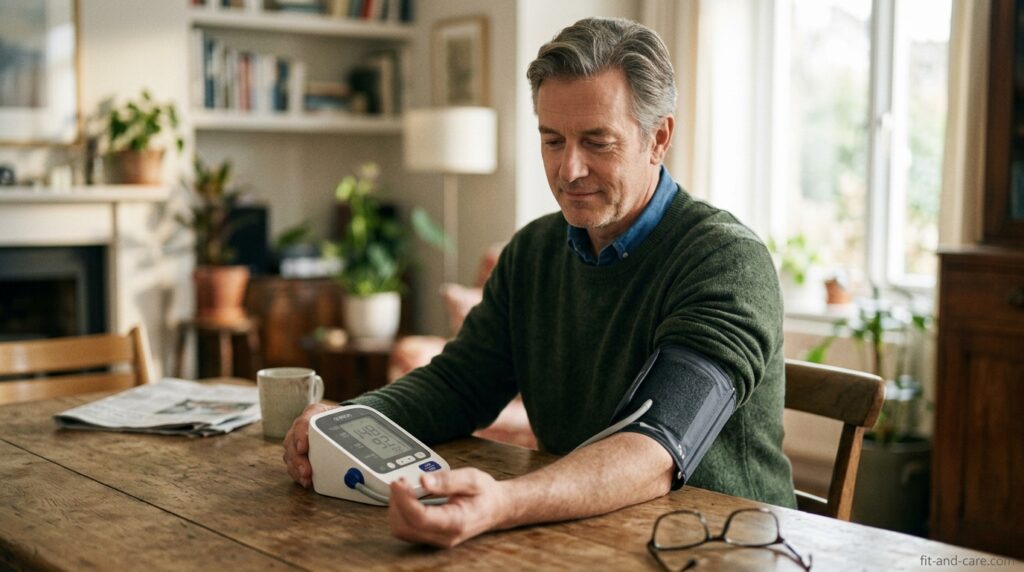
Home blood pressure monitoring is one of the most powerful tools for managing hypertension. It gives you and your doctor a clearer picture of your readings outside the clinical setting—avoiding ‘white coat hypertension’ (artificially elevated readings caused by stress at the doctor’s office).
Best Practices for Accurate Home Blood Pressure Readings
- Use a validated, upper-arm digital blood pressure monitor (avoid wrist monitors for most people).
- Sit quietly for at least 5 minutes before measuring.
- Keep your feet flat on the floor, back supported, and arms at heart level.
- Avoid caffeine, exercise, and smoking for at least 30 minutes before measuring.
- Take two readings, 1–2 minutes apart, and record the average.
- Measure at the same time each day—ideally morning and evening.
- Keep a log and share it with your doctor at every visit.
Dangerous Complications of Untreated High Blood Pressure
Ignoring hypertension—even when it feels symptom-free—sets the stage for life-threatening organ damage. Here are the most serious complications associated with uncontrolled high blood pressure:
| Complication | How Hypertension Causes It |
| Heart Attack | Forces the heart to work harder until it weakens and fails |
| Stroke | Causes blood vessel rupture or clots in the brain |
| Heart Failure | Reduces blood flow to the brain, impairing memory and cognition |
| Kidney Disease | Damages the filtration vessels in the kidneys |
| Aortic Aneurysm | Weakens and bulges the main artery wall |
| Vision Loss | Damages retinal blood vessels (hypertensive retinopathy) |
| Vascular Dementia | Reduces blood flow to the brain, impairing memory and cognition. |
Evidence-Based Ways to Lower Blood Pressure Naturally
Lifestyle changes remain the cornerstone of hypertension prevention and management. These strategies are backed by robust clinical evidence:
The DASH Diet — Dietary Approaches to Stop Hypertension
The DASH diet is the most scientifically validated dietary pattern for reducing blood pressure. It emphasizes fruits, vegetables, whole grains, lean proteins, and low-fat dairy, while limiting sodium to less than 2,300 mg per day (ideally 1,500 mg). Studies show the DASH diet can lower systolic blood pressure by 8–14 mmHg.
Regular Aerobic Exercise
Engaging in at least 150 minutes of moderate-intensity aerobic activity per week—such as brisk walking, cycling, or swimming—can reduce systolic blood pressure by 5–8 mmHg. Exercise strengthens the heart muscle, improves arterial flexibility, and supports healthy weight management.
Sodium Reduction
Reducing daily sodium intake is one of the single most effective dietary changes for lowering blood pressure. Processed foods, restaurant meals, and canned goods are the primary sources of hidden sodium. Reading food labels and cooking at home with herbs and spices instead of salt makes a significant difference.
Stress Management
Chronic psychological stress activates the sympathetic nervous system, triggering the release of cortisol and adrenaline, both of which raise blood pressure. Evidence-based stress reduction techniques include mindfulness-based stress reduction (MBSR), deep breathing exercises, yoga, progressive muscle relaxation, and adequate sleep (7–9 hours per night).

When to See a Doctor—Hypertension Red Flag Symptoms
Even without emergency symptoms, you should schedule a doctor’s appointment if your home readings consistently show blood pressure of 130/80 mmHg or higher, if you have a family history of early cardiovascular disease, or if you have risk factors such as diabetes, obesity, or kidney disease.
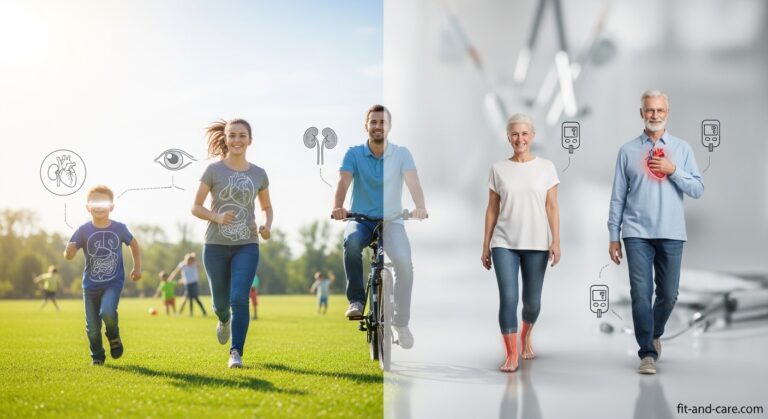
Diabetes’s Effects on the Body by Age
Frequently Asked Questions About High Blood Pressure (FAQ)
Q: What are the first signs of high blood pressure?
A: High blood pressure often has no noticeable symptoms in early stages, which is why it is called the ‘silent killer.’ When symptoms do occur at significantly elevated levels, they may include morning headaches at the back of the head, blurred vision, nosebleeds, shortness of breath, chest tightness, dizziness, and heart palpitations. The only reliable way to detect hypertension early is through regular blood pressure monitoring.
Q: Can you feel when your blood pressure is high?
A: In most cases, no, you cannot reliably ‘feel’ high blood pressure. The majority of people with hypertension experience no symptoms at all, even when their readings are dangerously elevated. Some individuals report feeling a throbbing sensation or head pressure, but these are not consistent indicators. This is why regular blood pressure checks—at home and at your doctor’s office—are essential for everyone, especially those over age 40 or with risk factors.
Q: How can I lower my blood pressure quickly?
A: In the short term, slow, deep breathing exercises (such as paced breathing at 6 breaths per minute) can lower blood pressure modestly within minutes. Long-term and sustainable reductions come from consistent lifestyle changes: following the DASH diet, reducing sodium intake, exercising regularly, achieving a healthy weight, limiting alcohol, quitting smoking, and managing stress. Never adjust or stop prescribed blood pressure medications without consulting your doctor.
Q: Does high blood pressure cause headaches?
A: Most headaches are not caused by high blood pressure. However, a hypertensive crisis (blood pressure above 180/120 mmHg) can cause severe headaches—typically felt at the back of the head and often described as throbbing or pulsating. These headaches are a warning sign of a medical emergency. Every day mild hypertension, even Stage 1 or Stage 2, rarely causes headaches and should not be used as a self-diagnostic tool.
Sources referenced in this article include the American Heart Association.
Hamza Ahmad is a dedicated fitness and health researcher and the founder of Fit and Care. He specializes in translating evidence-based health science into practical, accessible guidance on nutrition, fitness, and wellness.