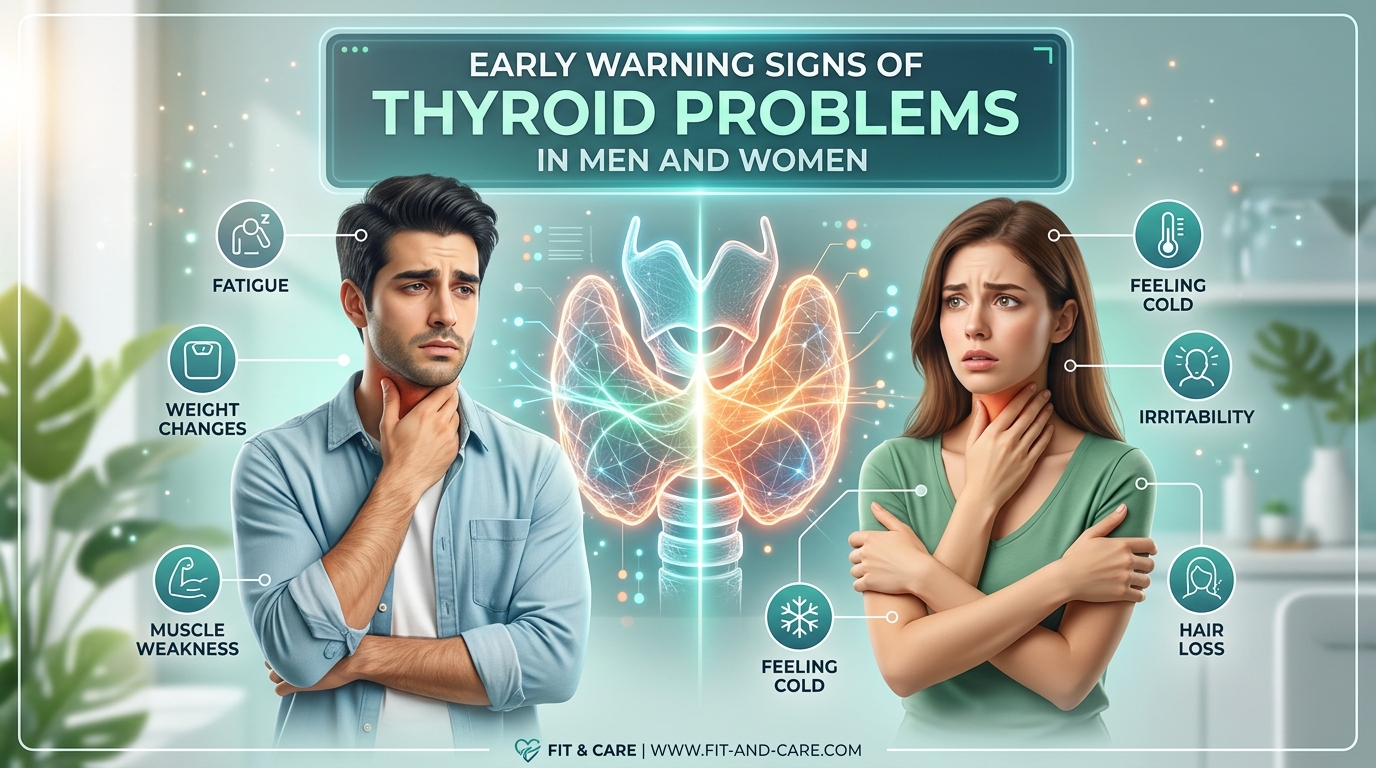
Early Warning Signs of Thyroid Problems in Men and Women

Early Warning Signs of Thyroid Problems in Men and Women
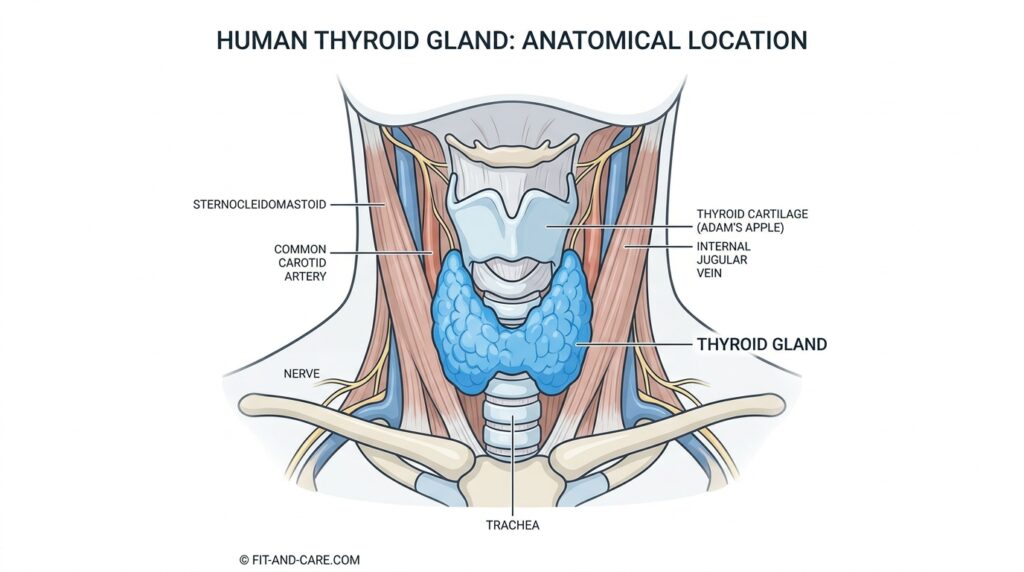
Your thyroid — a small, butterfly-shaped gland located at the front of your neck — is one of the most powerful regulators in the human body. Knowing the early warning signs of thyroid problems in men and women can mean the difference between a simple treatment and years of unexplained suffering.
According to the American Thyroid Association, more than 20 million Americans have some form of thyroid disease, and up to 60% of them are unaware of their condition. Women are 5 to 8 times more likely than men to develop thyroid problems—making awareness especially critical for women aged 25 to 45. However, men are far from immune, and their symptoms are often overlooked even longer due to lower screening rates.
This comprehensive guide breaks down the warning signs of both underactive thyroid (hypothyroidism) and overactive thyroid (hyperthyroidism), explains gender-specific differences, and helps you understand when it’s time to consult a healthcare provider.
What Is the Thyroid and Why Does It Matter?
The thyroid gland produces two primary hormones — thyroxine (T4) and triiodothyronine (T3) — that are released into the bloodstream and travel to every cell in the body. These hormones act like the body’s internal throttle, regulating how fast or slow your bodily systems work.
When the thyroid malfunctions, the effects ripple through virtually every organ system. There are two main categories of thyroid dysfunction:
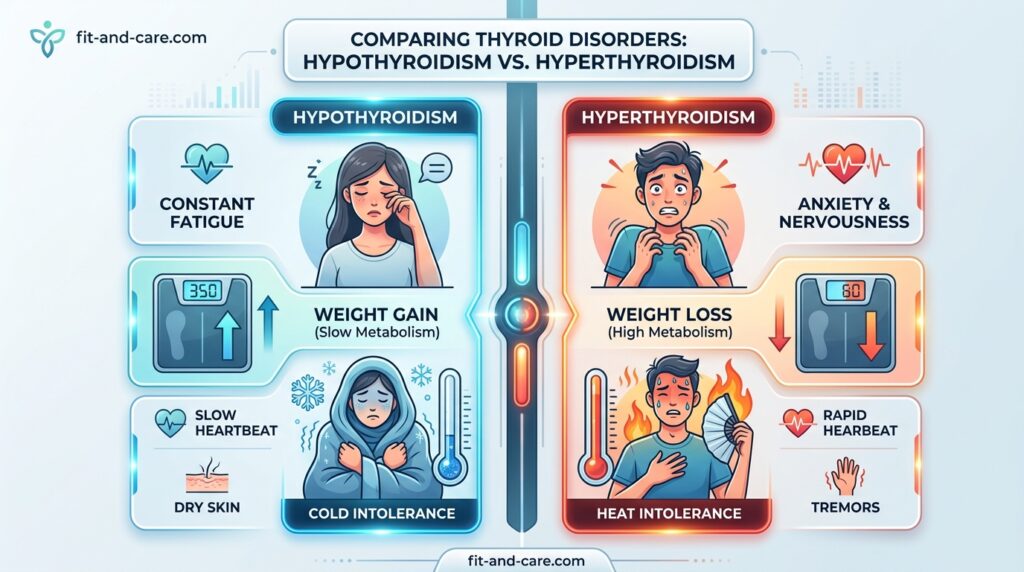
⦁ Hypothyroidism (Underactive Thyroid): The thyroid doesn’t produce enough hormones, slowing the body’s functions.
⦁ Hyperthyroidism (Overactive Thyroid): The thyroid produces too many hormones, speeding up metabolic processes beyond the normal range.
Both conditions can affect men and women, but their symptoms, triggers, and presentations often differ significantly by gender, age, and underlying cause.
Early Warning Signs of Thyroid Problems: An Overview
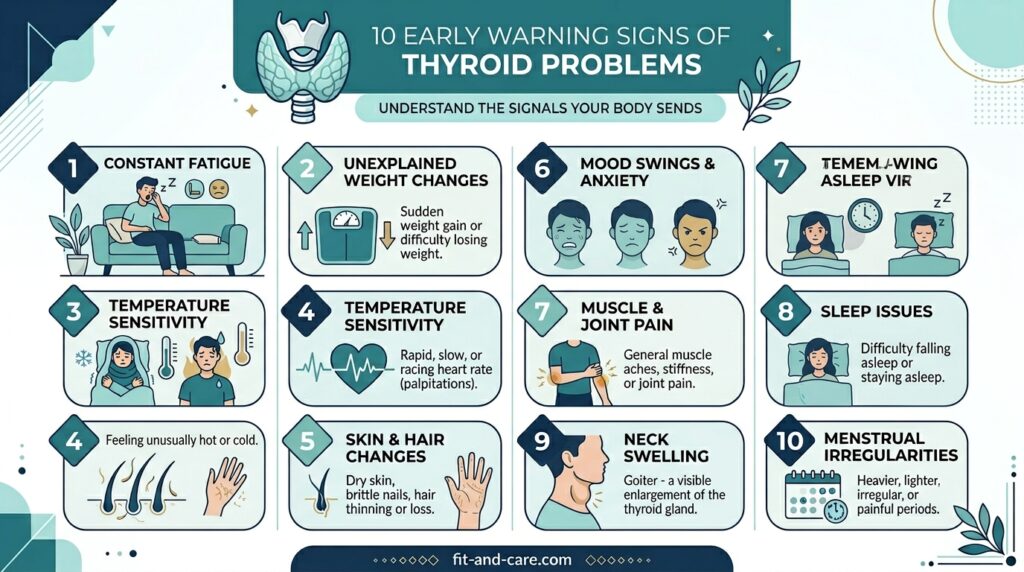
Thyroid symptoms can be subtle and easily confused with stress, aging, or other common health issues. This is precisely why many cases go undiagnosed for so long. Here is a broad overview of warning signs that may indicate either hyperthyroidism or hypothyroidism
Common Hypothyroidism Warning Signs
⦁ Persistent fatigue and sluggishness even after a full night’s sleep
⦁ Unexplained weight gain or difficulty losing weight
⦁ Feeling cold all the time, even in warm environments
⦁ Constipation and slow digestion
⦁ Dry skin, brittle nails, and hair loss or thinning
⦁ Depression, brain fog, or impaired memory
⦁ Muscle weakness, cramps, or joint pain
⦁ Puffy face, especially around the eyes
⦁ Slowed heart rate (bradycardia)
⦁ Irregular or heavy menstrual periods in women
Common Hyperthyroidism Warning Signs
⦁ Unintentional weight loss despite increased appetite
⦁ Rapid or irregular heartbeat (palpitations)
⦁ Nervousness, anxiety, irritability, or panic attacks
⦁ Excessive sweating and heat intolerance
⦁ Tremors (usually in the hands or fingers)
⦁ Frequent bowel movements or diarrhea
⦁ Difficulty sleeping or insomnia
⦁ An enlarged thyroid gland (goiter) is visible as a swelling in the neck
⦁ Bulging eyes (in Graves’ disease)
⦁ Lighter or missed menstrual periods in women
Early Warning Signs of Thyroid Problems in Women
Women are disproportionately affected by thyroid disorders—particularly Hashimoto’s thyroiditis (the leading cause of hypothyroidism) and Graves’ disease (the leading cause of hyperthyroidism). Hormonal fluctuations during puberty, pregnancy, postpartum, perimenopause, and menopause all create windows of vulnerability for thyroid disruption.
Hormonal and Menstrual Changes
One of the earliest and most telling warning signs for women is a disruption to the menstrual cycle. Hypothyroidism can cause heavier, more frequent, or prolonged periods, while hyperthyroidism often results in lighter, shorter, or completely absent periods. Women who notice significant changes in their cycle without an obvious cause should consider having their thyroid function tested.
Fertility and Pregnancy Concerns
Undiagnosed thyroid disorders are a significant and under-recognized cause of infertility and recurrent miscarriage in women. Both hypothyroidism and hyperthyroidism can interfere with ovulation and healthy fetal development. The American College of Obstetricians and Gynecologists recommends thyroid screening for women who are pregnant or planning to conceive, especially those with a family history of thyroid disease.
Postpartum Thyroiditis
Up to 10% of women develop postpartum thyroiditis — inflammation of the thyroid — in the year following childbirth. It often presents initially as hyperthyroidism (with anxiety, rapid heartbeat, and weight loss) and then transitions to hypothyroidism (with fatigue and depression). Because its symptoms overlap heavily with postpartum depression and normal new-parent exhaustion, it is frequently missed or misdiagnosed.
Skin, Hair, and Nail Changes in Women
Women often first notice thyroid problems through cosmetic changes. These include significant hair thinning or loss (not just normal shedding), extremely dry or rough skin that doesn’t respond to moisturizers, brittle or peeling nails, and even loss of the outer third of the eyebrows—a classic but often overlooked sign of hypothyroidism known as the ‘Queen Anne’s sign.’

Early Warning Signs of Thyroid Problems in Men
While thyroid disease is far more common in women, approximately 1 in 10 men will develop a thyroid disorder during their lifetime. The challenge is that thyroid symptoms in men are often attributed to other conditions — low testosterone, stress, depression, or simply ‘getting older’ — which significantly delays diagnosis.
Sexual Health and Testosterone
One of the most common and troubling effects of hypothyroidism in men is reduced sex drive and erectile dysfunction. This occurs because thyroid hormones directly affect the production of sex hormones. Men who have unexplained sexual health problems along with other symptoms like fatigue or weight gain should ask for a complete thyroid panel, not just a testosterone test.
Muscle Mass and Athletic Performance
Men with hypothyroidism often notice that they are losing muscle mass. They feel unusually tired during workouts and take much longer to recover. On the other hand, men with hyperthyroidism may have muscle weakness, tremors, or rapid, unintentional weight loss. These issues can interfere with fitness goals, even when caloric intake is normal or increased.
Mental Health and Cognitive Signs in Men
Depression in men with hypothyroidism is often mistaken for a separate mental health issue and treated with antidepressants, without conducting a thyroid test. Brain fog, trouble concentrating, slowed thinking, and ongoing low motivation are key symptoms that, when seen with physical signs, strongly indicate thyroid problems.

The Thyroid-Autoimmune Connection: Hashimoto’s and Graves’ Disease
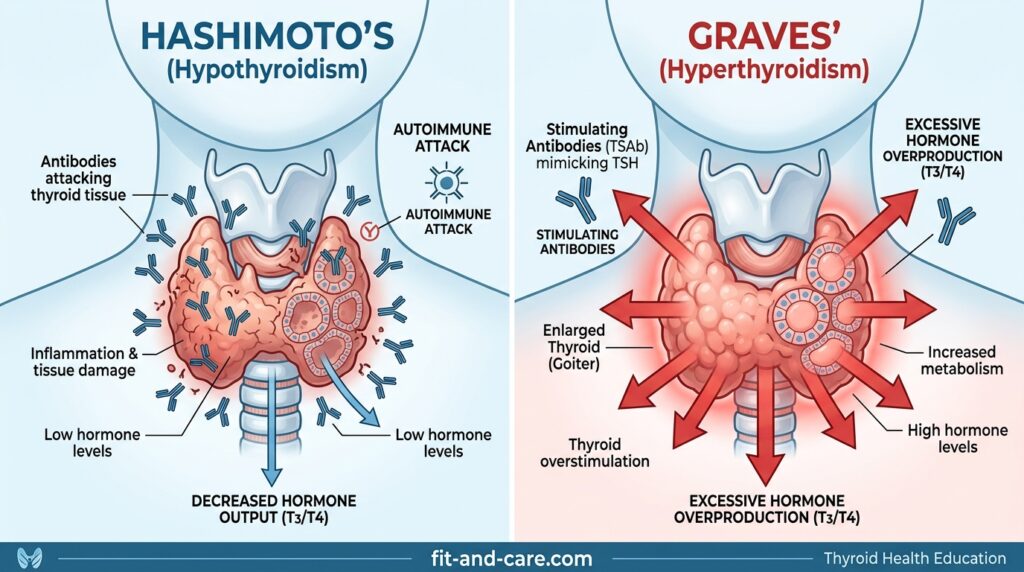
The majority of thyroid disorders in both men and women are autoimmune in origin. Understanding these two conditions is essential for anyone exploring thyroid health:
Hashimoto’s Thyroiditis
Hypothyroidism can be due to many causes. The most common one is Hashimoto’s disease. In this type of disorder, the immune system of the body tends to attack thyroid tissue, which results in decreased production of hormones by the gland. This type of hypothyroidism is far more common in females and tends to run in families.
Graves’ Disease
The primary cause of hyperthyroidism is Graves’ disease, which is also an autoimmune condition like hypothyroidism. This condition leads to the production of antibodies by the body, causing excessive hormone secretion from the thyroid glands. The unique characteristic associated with Graves’ disease is the prominence of bulging eyes, known as Graves’ ophthalmopathy. This occurs in about 30% of affected individuals. Graves’ disease is 7 to 10 times more prevalent among women than men. Men with Graves’ disease may suffer from gynecomastia.
Risk Factors: Who Is Most Likely to Develop Thyroid Problems?
Knowing your risk factors can help you seek earlier screening and make more informed healthcare decisions. The following groups have a significantly elevated risk for thyroid dysfunction:
⦁ Family History: A first-degree relative with thyroid disease or other autoimmune conditions (Type 1 diabetes, rheumatoid arthritis, lupus) significantly increases risk.
⦁ Gender: Women are 5–8x more likely to develop thyroid disorders than men.
⦁ Age: Risk increases with age; however, thyroid problems can develop at any stage of life.
⦁ Pregnancy and Postpartum: Hormonal shifts make women particularly vulnerable during and after pregnancy.
⦁ Iodine Imbalance: Both deficiency and excess iodine intake can disrupt thyroid function.
⦁ Prior Thyroid Issues: A history of goiter, thyroid nodules, or previous thyroid surgery raises ongoing risk.
⦁ Radiation Exposure: Head or neck radiation therapy significantly increases thyroid cancer and dysfunction risk.
⦁ Certain Medications: Lithium, amiodarone, and interferon-alpha are among the drugs known to affect thyroid function.
When to See a Doctor: Recognizing the Urgency
Not every symptom requires an emergency visit, but there are clear signals that should prompt a consultation with your primary care physician or an endocrinologist:
See a Doctor If You Experience:
⦁ A visible swelling or lump at the front of your neck (possible goiter or nodule)
⦁ Sudden, unexplained weight loss or gain of 10+ lbs without dietary change
⦁ Persistent rapid or irregular heartbeat (possible thyroid storm in severe cases)
⦁ Difficulty swallowing or breathing (may indicate an enlarged thyroid pressing on the esophagus or trachea)
⦁ Extreme fatigue that doesn’t improve with rest
⦁ Severe depression or anxiety that is treatment-resistant
⦁ Multiple symptoms from the lists above are occurring simultaneously
⦁ Changes in the menstrual cycle lasting more than 2–3 cycles
⦁ Bulging or prominent eyes that are new or worsening
Diagnosis usually entails a basic blood test that measures your TSH (Thyroid-Stimulating Hormone), Free T3, and Free T4. In addition, your physician may recommend a thyroid antibody test (antibodies to thyroperoxidase for Hashimoto’s thyroiditis or antibodies to TSH receptor for Graves’ disease) and an ultrasound.

Treatment Options for Thyroid Disorders
The good news is that most thyroid conditions are very manageable with the right treatment. Options depend on the specific disorder, its severity, and the patient’s overall health:
Treating Hypothyroidism
Standard treatment involves taking levothyroxine (examples include Synthroid and Levoxyl), a manufactured version of the T4 hormone. The dose is precisely adjusted depending on the TSH level, and this adjustment process occurs over time. Patients who optimize their dosage will have all their symptoms disappear.
Treating Hyperthyroidism
Antithyroid drugs such as methimazole and propylthiouracil, radioactive iodine to destroy the overactive thyroid cells, or rarely surgery to remove some or all of the thyroid gland (thyroidectomy) can be employed. The use of beta-blockers to reduce palpitations and tremors may be short-term.
Lifestyle and Nutritional Support
Though not a substitute for any medical advice or treatment, some lifestyle changes can help to maintain proper thyroid function by refraining from excessive consumption of raw goitrogens when one suffers from hypothyroidism, having enough selenium and zinc in their diet, handling stress, which influences the HPA-thyroid pathway, and sleeping regularly.
Frequently Asked Questions (FAQ)
Q1: What is the first sign of thyroid problems?
The first sign of a thyroid problem varies depending on whether the thyroid is underactive (hypothyroidism) or overactive (hyperthyroidism). For hypothyroidism, one of the earliest signs is persistent, unexplained fatigue — a bone-deep tiredness that doesn’t improve with rest or sleep. For hyperthyroidism, many people first notice unexplained weight loss, a racing heartbeat, or heightened anxiety. Because these symptoms are non-specific and overlap with many other conditions, thyroid dysfunction often goes unrecognized for months. If you experience multiple symptoms from either list simultaneously, a blood test measuring TSH (Thyroid Stimulating Hormone) is the recommended first diagnostic step.
Q2: Can thyroid problems cause anxiety and depression?
Yes, absolutely. Thyroid disorders are among the most common and overlooked medical causes of mood disorders. Hypothyroidism frequently causes depression, emotional flatness, cognitive slowing, and a persistent sense of hopelessness — symptoms so similar to clinical depression that many patients are prescribed antidepressants without ever receiving a thyroid evaluation. Hyperthyroidism, on the other hand, is strongly associated with anxiety, panic attacks, irritability, restlessness, and insomnia due to the excitatory effects of excess thyroid hormone on the nervous system. If you are being treated for anxiety or depression without significant improvement, ask your doctor to rule out a thyroid condition with a complete thyroid panel.
Q3: How do thyroid symptoms differ in men vs. women?
While many thyroid symptoms are similar in men and women — including fatigue, weight changes, temperature sensitivity, and mood disturbances — there are important gender-specific differences. Women are more likely to experience menstrual irregularities, fertility issues, and postpartum thyroid problems. Women with hypothyroidism may have very heavy periods, while hyperthyroidism often causes lighter or absent periods. Men, by contrast, are more likely to experience erectile dysfunction, reduced libido, and loss of muscle mass as prominent early signs. Men are also less frequently screened for thyroid disorders, meaning their diagnosis often comes later and after a longer period of unexplained symptoms.
Q4: What does a thyroid blood test measure, and what do the results mean?
A standard thyroid panel measures several key markers. TSH (Thyroid Stimulating Hormone) is the primary screening test — a high TSH suggests the thyroid is underactive (hypothyroidism), while a low TSH suggests overactivity (hyperthyroidism). Free T4 and Free T3 measure the actual hormone levels in the bloodstream. TPO antibodies (thyroid peroxidase antibodies) are tested when Hashimoto’s thyroiditis is suspected, and TSH receptor antibodies confirm Graves’ disease. Normal TSH ranges vary slightly by lab, but are generally considered to fall between 0.4 and 4.0 mIU/L. However, optimal levels for symptom relief — particularly in hypothyroid patients — may be in a narrower range; discuss this with your endocrinologist.
Q5: Can thyroid problems be cured, or is it a lifelong condition?
Whether thyroid disease is permanent depends on the type and cause. Hypothyroidism caused by Hashimoto’s thyroiditis is generally a lifelong condition requiring daily medication (levothyroxine). However, with proper treatment, most patients live completely normal, healthy lives with no restrictions. Some forms of hyperthyroidism — particularly mild Graves’ disease in younger patients — can go into remission with antithyroid medications, sometimes permanently. Radioactive iodine therapy typically results in permanent hypothyroidism, which is then managed with levothyroxine. Surgical removal of the thyroid (thyroidectomy) is curative for the overactivity but results in permanent dependence on thyroid hormone replacement therapy.
Conclusion
Thyroid disorders are among the most common and most commonly misdiagnosed medical conditions in the world. Whether you are experiencing persistent fatigue, unexplained weight changes, mood disturbances, or menstrual irregularities, understanding the early warning signs of thyroid problems in men and women is a crucial step toward protecting your long-term health.
The key takeaway: if you suspect your thyroid might be involved in how you’re feeling, trust that instinct. A simple blood test — the TSH panel — takes minutes and can provide answers that change the trajectory of your health. Thyroid disorders are highly treatable when caught early, and most people who receive the right treatment experience dramatic improvement in their quality of life.
If you found this guide helpful, explore our related articles on Hashimoto’s thyroiditis, thyroid-friendly nutrition, and how to prepare for your first endocrinology appointment.
Sources referenced in this article include the American Thyroid Association and the American College of Obstetricians and Gynecologists.
Hamza Ahmad is a dedicated fitness and health researcher and the founder of Fit and Care. He specializes in translating evidence-based health science into practical, accessible guidance on nutrition, fitness, and wellness.